






Explore More Compelling Insights:
Learn about topics related to People with Disabilities, Accessibility, Anti-Ableism, Removing Barriers, and the Disability Community? Tap the Explore button to discover something new and intriguing with each tap!
Recent experiments in describing dance, like the film “Telephone,” approach it not just as an accessibility service but as a space for artistic exploration. by Siobhan Burke Embark on an immersive journey that transcends the boundaries of conventional dance experiences, as recent experiments in audio description redefine accessibility as a space for profound artistic exploration. In the bustling landscape of New York City's large theaters, dancer Krishna Washburn, who is blind, recalls a pivotal moment attending a performance with audio description. Rather than feeling connected to the…
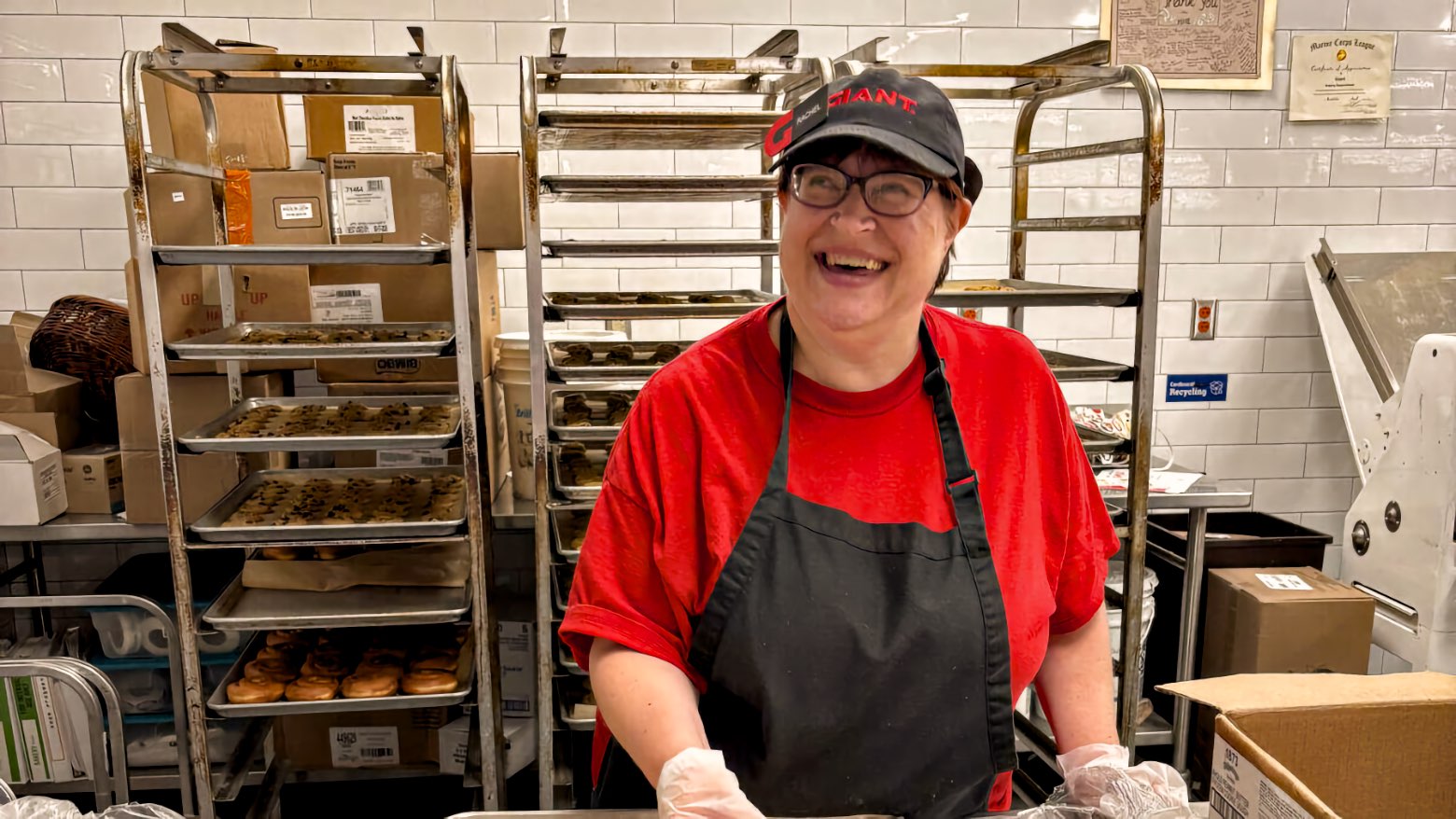
Every October, National Disability Employment Awareness Month puts a spotlight on what Workers with Disabilities bring to their jobs, running this year under the theme Celebrating Value and Talent alongside the nation's 250th birthday. The workers say it plainly: a job means new people, coworkers with a positive attitude, managers who answer questions, a team to belong to, pride in being named employee of the month, and wages for the things they love. The observance grew from a single week in 1945 to all of October in 1988 because people removed barriers and refused the doubts stacked against Workers with Disabilities. A job carries purpose, independence, and the chance to be valued as the person you already are.
"Helping Out: How Chores at Home May Pave the Way to Future Employment for Blind Youth" by Julie Deden explores the pivotal role of household chores in shaping the future employment prospects of blind people. As the Director of the Colorado Center for the Blind, Deden draws from personal experiences and interviews to highlight the problems blind people encounter in acquiring practical life skills. The article underscores the significance of parental involvement in teaching nonvisual methods of performing daily tasks, emphasizing the long-term benefits of this early exposure. Deden's…
Blind singer Lachi calls her colorful, bedazzled “glam cane” a statement and a tool. Also known as a white cane, it signals her right to move independently, helps her navigate, and often serves as a conversation starter on the road.
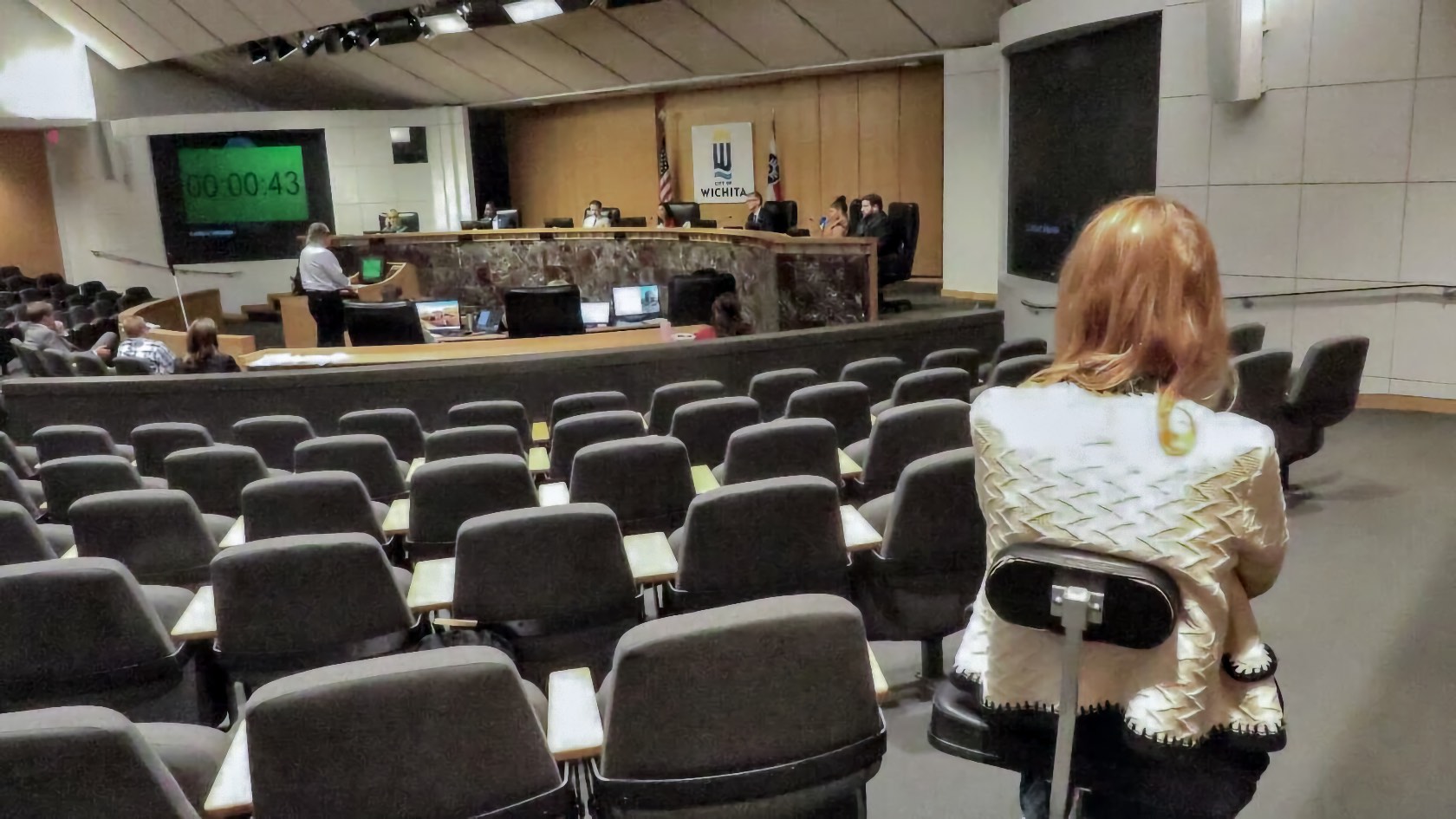
A plan to cut a joint city and county access advisory board from 32 members to 7 voting members was drafted without input from the People with Disabilities who serve on it, then delivered days before the hearing. The gap showed itself immediately: a proposed evening session sounded fair until the board chair rolled her power wheelchair to the microphone to point out that paratransit does not run at night and lift equipped vans leave the road after 7:30 p.m. Every operational failure named as grounds for shrinking the board traces back to the appointing authorities, from seats left empty for over two years, to absent members reappointed anyway, to abandoned minute taking, to a July meeting cancelled for lack of technology support. Disability covers a wide span of distinct barriers, and a governing voice in the rooms where their access is decided is the only arrangement that surfaces the barriers the decision makers never have to cross.
Sa’diyya Nesar, a writer and advocate, is deeply committed to raising awareness about the intersectionality of disability, race, and faith. Living with muscular myopathy, Nesar draws from her personal experiences to highlight the barriers faced by People with Disabilities, particularly those who also belong to marginalized racial and religious groups. Her advocacy emphasizes the importance of understanding these intersecting identities to ensure true accessibility and inclusion. Nesar stresses that discussions around disability should not occur in isolation but within the broader context of…
Kathryn Bromwich states that horror still treats disability as shorthand for moral depravity. She names this pattern ableism. She cites Guillermo del Toro’s Frankenstein. It is a Venice hit that stars only non-disabled performers. Victor receives prosthetics and amputations. The film confuses message with spectacle. She then traces older and newer screen habits—facial scarring, wheelchair use, amputation, and prosthetics as menace—showing how these choices teach audiences to read “Disability” as threat. She lists recent examples: Longlegs, The Substance, Heretic, Weapons, and Nosferatu’s…
The bullying and exclusion targeting Students with Disabilities in schools far exceeds what their peers without disabilities face, and a group of thirteen Massachusetts high school students from the Hampden County District Attorney's Youth Advisory Board addressed this directly by developing educational videos and a children's book on disability awareness, grounding the work in direct conversations with People with Disabilities about their own preferences and experiences. Rather than making assumptions, the students built their materials on what People with Disabilities reported about their own lives, ensuring the content reflects those most affected by peer exclusion. This project demonstrates that removing barriers to full participation for People with Disabilities is a shared responsibility, one that young people, educators, and every community member must take genuine personal ownership of together.
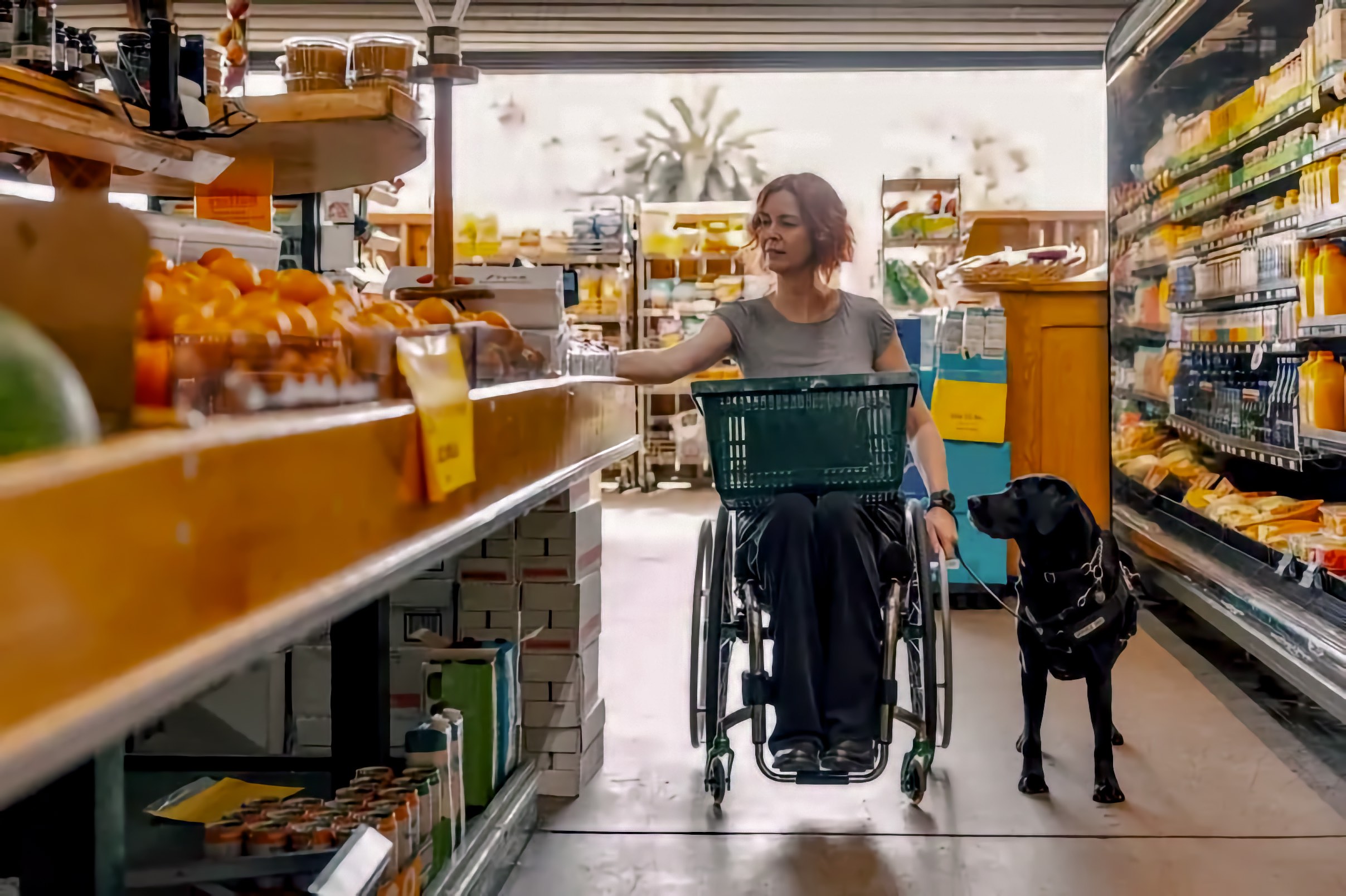
The Access Coalition, convened by the American Association of People with Disabilities (AAPD), is working with major retailers, hospitality, and consumer brands to make accessibility for People with Disabilities a built in design standard across physical, digital, and hybrid retail environments. The coalition has identified restrooms and checkout systems as the most serious barriers People with Disabilities encounter in retail, both as customers and as workers. The coalition shows that low cost steps, including clear paths of travel between spaces and clearer wayfinding signs, can be done immediately. Yet physical design is only part of the answer, since staff training, policies, and procedures must back the design so that People with Disabilities experience true inclusion, not access that only appears on paper.
Embark on the remarkable journey of Zach Anglin, a resilient quadruple amputee who dedicated himself to removing barriers on his path to becoming a pilot. Born without hands or feet, Anglin faced rejection from numerous flight schools, persisting in his unwavering pursuit. Securing a spot at the Spartan College of Aeronautics in Tulsa, Oklahoma, he encountered multiple rejections from the Federal Aviation Administration. With determination and support from his mother, Anglin successfully removed these barriers, graduating from flight school and now sharing his expertise as an instructor. As…
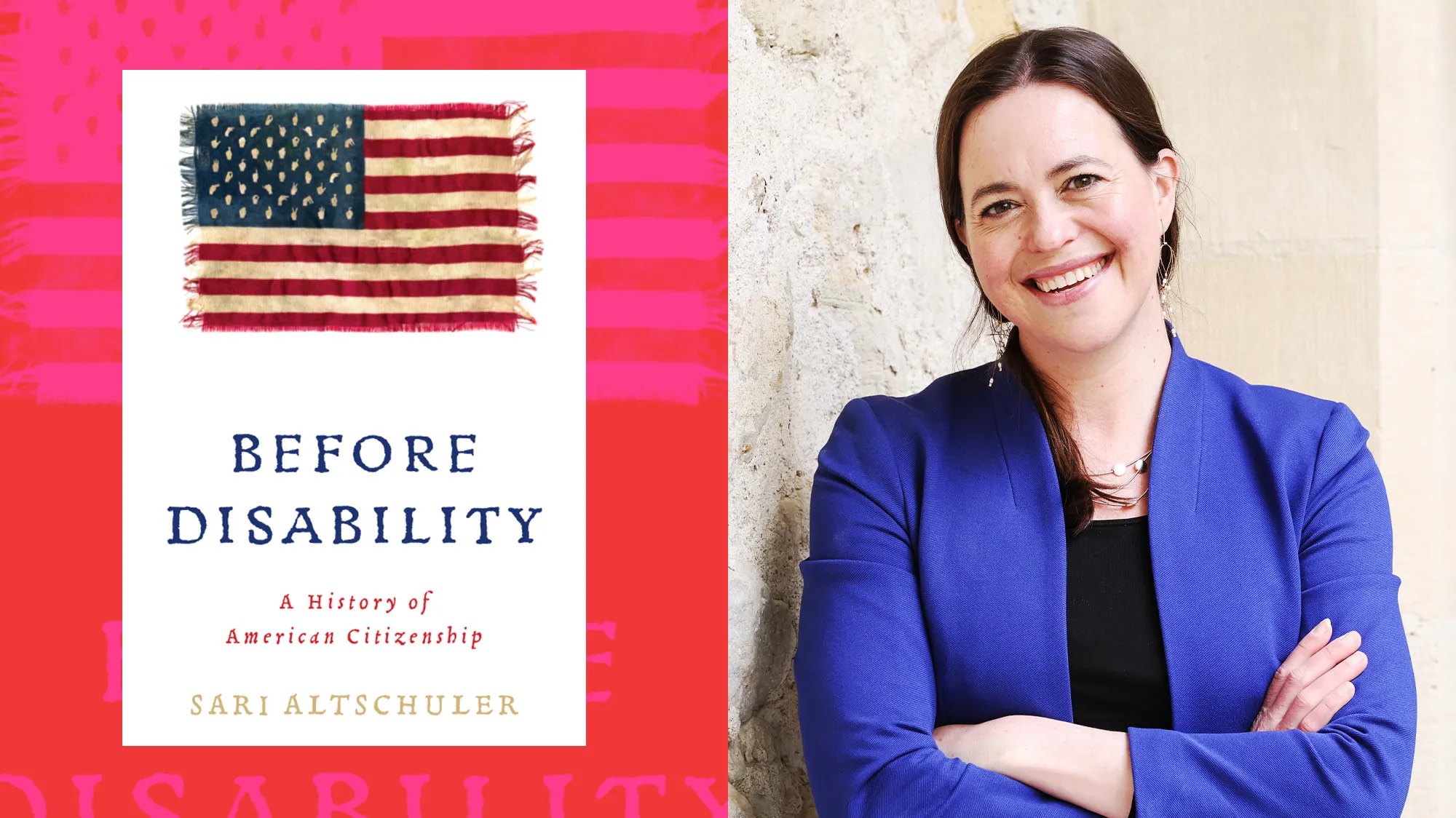
A new history shows that disability and citizenship were intertwined from the founding of the United States, and that the harmful linking of race and disability was constructed over time as differences once seen as situational were recast as fixed and biological conditions; a falsified 1840 population count branded free Black Americans as disabled to deny their freedom and citizenship and was never corrected, some white advocacy pursued inclusion that shut out Black Deaf People, and recognition flowed to mostly white veterans while other Americans with Disabilities were denied, a history that calls every Community Builder to treat inclusion for People with Disabilities as a shared responsibility rather than a privilege reserved for a few.
Faith communities have the opportunity to build Vibrant, Diverse, Inclusive, Accessible Communities by removing barriers that prevent People with Disabilities from being full participants in worship and community life. This work centers on recognizing the inherent value, talents, and contributions of People with Disabilities. Rev. Shannon Blosser, a United Methodist pastor, shared how his autistic son, Noah, thrives in church when supported but has faced unwelcoming environments in the past. At Mount Olivet United Methodist Church in West Virginia, the congregation prioritized creating…
Abdulla Al Humaidan argues that, for decades, disability inclusion has been framed as charity, compliance or corporate social responsibility, and that this framing keeps People with Disabilities stuck with “pilot programmes that never scale”, roles that “lack advancement”, and initiatives that “quietly disappear once the grant cycle ends”. He rejects symbolic participation that depends on temporary funding or branding cycles, warning that inclusion treated as a “moral gesture rather than an operational strategy” rarely survives market realities. The article’s first demand is structural: stop…
Harmful rhetoric directed at People with Disabilities is not just offensive—it is dangerous and dehumanizing. In her powerful article, Noelle Pacl exposes how recent increases in derogatory comments, including messages aimed at her own profoundly Disabled child, are part of a broader societal trend. This trend, fueled by public figures and political rhetoric, paints People with Disabilities as "burdens" and "too expensive," ignoring the fact that the real problems lie in systemic discrimination, inaccessible environments, and social neglect. These barriers need to be removed—not justified. We…
Rosa Parks’ refusal didn’t just spark a boycott — it modeled rights-based advocacy that treats transit access as a question of power and policy, not charity. Her example offered later organizers a practical playbook: identify the barrier, confront the rule, and insist that public systems serve the whole public. By the 1980s, the disability rights movement had policy wins and new visibility, yet many riders were still shut out of buses by steps, narrow doors, and segregating paratransit. True accessibility meant boarding the same vehicles, on the same routes, with the same schedules — not…
A baton-style setup with ten white batons under a bright greeting is presented as “welcome” but functions as a barrier that deters access for People with Disabilities and for parents with strollers. The article argues that universal design is the baseline for safe, everyday shopping; this paragraph uses universal design in plain text and links the same phrase to universal design to reject security measures that sideline rights and belonging. The authors expose how “hostile” or “defensive architecture” (leaning benches, mid-seat armrests, studs) removes places to pause, rest and be safe, a…
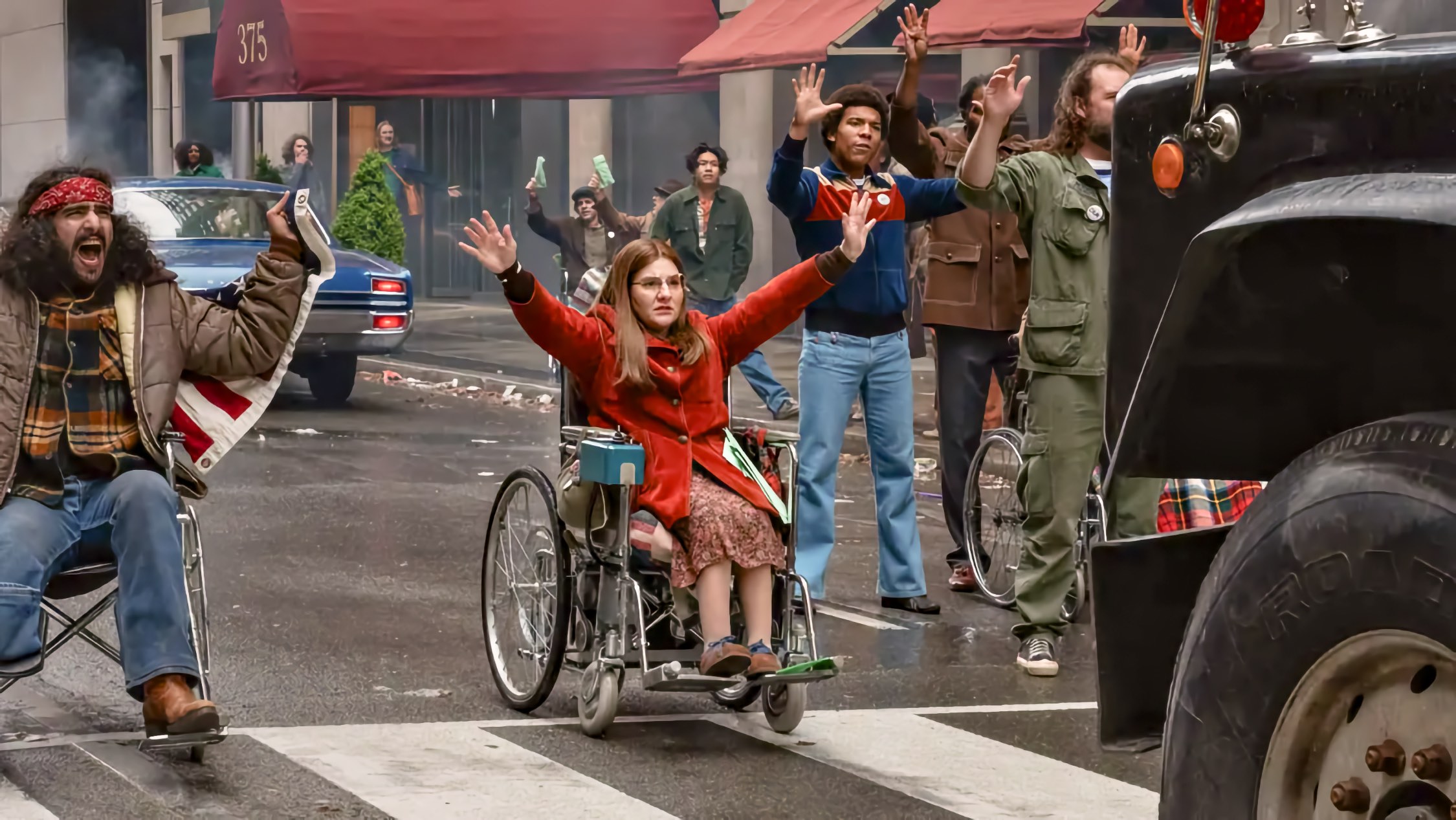
Siân Heder's "Being Heumann" casts dozens of Performers with Disabilities in the story of a four week occupation of federal health offices in San Francisco. That protest pressed for Section 504 of the Rehabilitation Act of 1973 and became a major step toward the Americans with Disabilities Act (ADA). On set, Actors who are Deaf, Actors who are Blind, and Actors who use Wheelchairs brought access requirements that sometimes conflicted with each other and with a tight film schedule. Many cast members found a vintage wheelchair that seemed workable became a barrier ten hours in. The people who meet a barrier know it best.
The Disability Wellbeing Index (DWI) is presented as Australia’s first validated, disability-specific measure of wellbeing, developed by Monash University’s Centre for Health Economics with partners through extensive consultation with people with disability. It captures domains such as relationships, daily living, home, health, learning, work, finances, respect and dignity, safety, and participation, grounding policy measurement in lived experience. The authors explain that generic health tools have not reflected what matters to people with disability, creating an evidence gap that weakens…
People with Disabilities in the United Kingdom face systemic failures in both physical infrastructure and social attitudes that lock them out of ordinary life, from rail assistance booked in advance that simply was not there, to a trained first aider's offer of help being turned away on account of his wheelchair. The Sociability app directly addresses the physical access side of this exclusion by providing detailed accessibility information for cafes, bars, restaurants, and other venues, giving more than 100,000 people each year the reliable data they need to plan outings with confidence. Yet as People with Disabilities consistently report, the attitudes of those around them cause more daily harm than any missing ramp or inaccessible space. Community Builders must treat the removal of barriers as a shared responsibility rather than an act of charity, beginning by genuinely listening to People with Disabilities.
Learn about topics related to People with Disabilities, Accessibility, Anti-Ableism, Removing Barriers, and the Disability Community? Tap the Explore button to discover something new and intriguing with each tap!