Explore More Compelling Insights:
Learn about topics related to People with Disabilities, Accessibility, Anti-Ableism, Removing Barriers, and the Disability Community? Tap the Explore button to discover something new and intriguing with each tap!
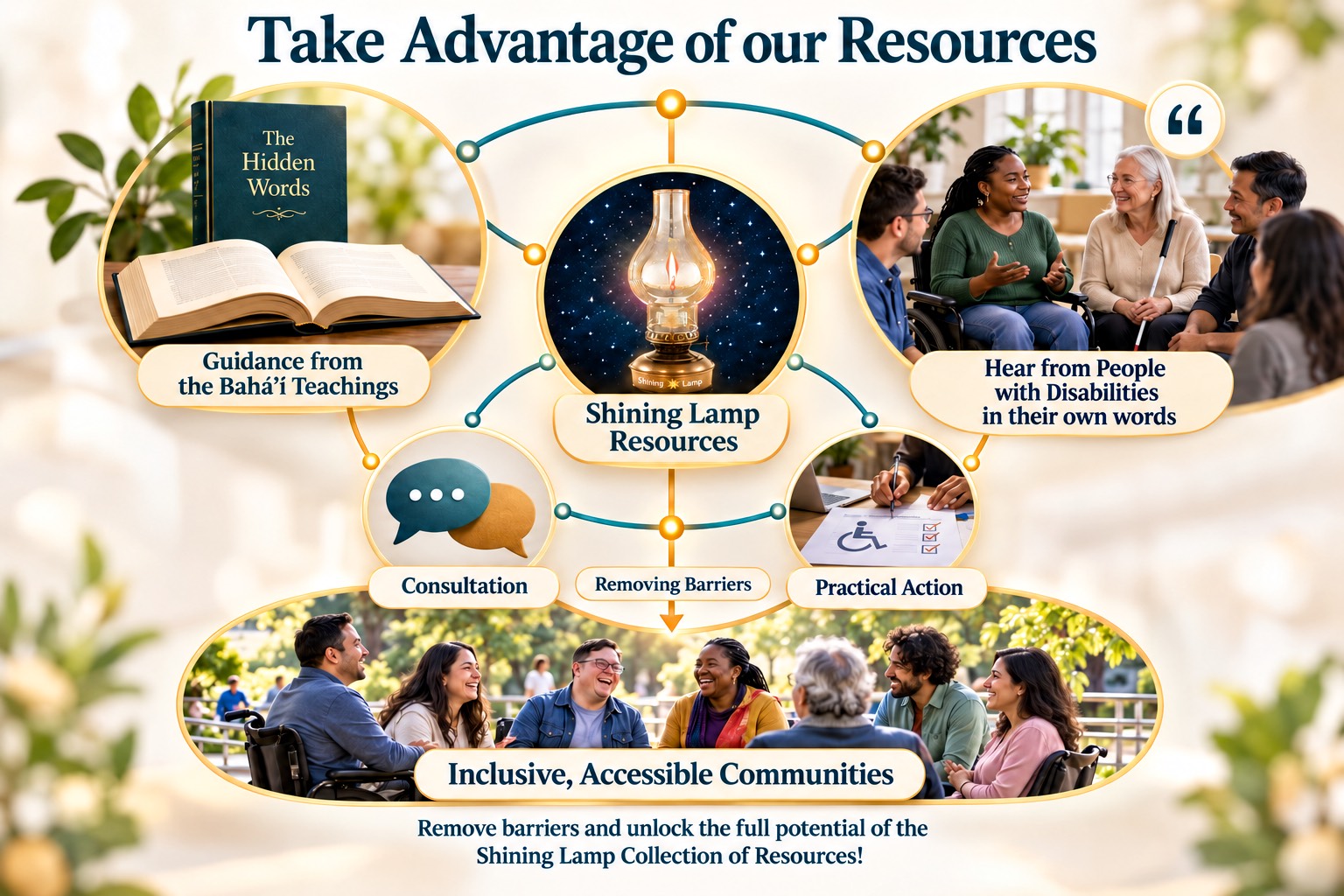
A Statement by the National Spiritual Assembly of the Baha'is of the United States “That the virulence of the race issue in America attracts the attention of the entire world should spur this country to an unprecedented effort to eliminate every vestige of prejudice and discrimination from her midst.” This profound statement highlights the urgency of addressing the persistent barrier of racial injustice that continues to impede progress toward a truly inclusive and equitable society. The Bahá’í teachings offer a powerful framework for removing these barriers. By emphasizing the oneness of…

A lack of awareness is a frequent barrier to accessible practices: many people in an organization know little about accessibility or do not see how their own work contributes to it. An introduction tied to the organization's goals, such as the World Wide Web Consortium (W3C) video Introduction to Web Accessibility and W3C Standards, builds that awareness. The United Nations Convention on the Rights of Persons with Disabilities commits the countries that join it to raise awareness (Article 8), to ensure access to information and communications (Article 9) and to provide information in accessible formats (Article 21), and the World Health Organization estimates that 1.3 billion people experience significant disability. Awareness that reaches every role would make room for Vibrant, Diverse, Inclusive, Accessible Communities for People with Disabilities.

Vilissa Thompson built the Ramp Your Voice! Conference 2026 to create the dedicated space that never existed for Black People with Disabilities to commune, belong, and be celebrated for their full humanity rather than reduced to deficit, deliberately centering Black women, femmes, and marginalized gender persons with Disabilities whose erasure leaves disability storytelling incomplete and liberation out of reach. Art, cultural expression, and storytelling form the foundation of the event, treated as survival and recordkeeping that build a living archive of Black Disabled brilliance for future generations, while Thompson calls a new generation into a pipeline of leadership the community builds together. Inclusion and accessibility for People with Disabilities are a shared responsibility owned by each of us and enacted collectively, and this conference stands as a working model of that obligation in practice.

The piece previews this year’s overnight contemporary art celebration, returning Oct. 4 at 7 p.m. for twelve hours of installations and performances across downtown (from City Hall to Chinatown), North York, and Etobicoke. Curators emphasize place-based work and collaboration with communities—an approach that pairs naturally with planning for an accessible event so more people can participate. Downtown, the exhibition titled “Poetic Justice” draws its name from a headline-grabbing rap rivalry and the 1990s film, framing art that engages reform, advocacy, and political resistance. The article…
By Arlene S. Kanter Religious freedom should never serve as a barrier against the rights of People with Disabilities in the workplace. As we mark the 30th anniversary of the Americans with Disabilities Act (ADA), it's crucial to reflect on the progress made and the problems that persist. Despite the ADA's pivotal role in advancing accessibility and inclusivity, recent Supreme Court rulings, like the Biel case, threaten to undermine its core principles. Arlene S. Kanter's incisive analysis sheds light on the urgent need for legislative intervention to uphold equality and justice for People…

A community cannot be united while barriers keep some of its members from participating. Drawing on Bahá’í teachings and ‘Abdu’l-Bahá’s example, this article connects the work of confronting racism, gender inequality, and other forms of exclusion with building lasting peace. It calls for practical action, including accessible gatherings, services, and information, so People with Disabilities and other marginalized members can contribute fully, shape community life, and experience belonging grounded in justice and respect.
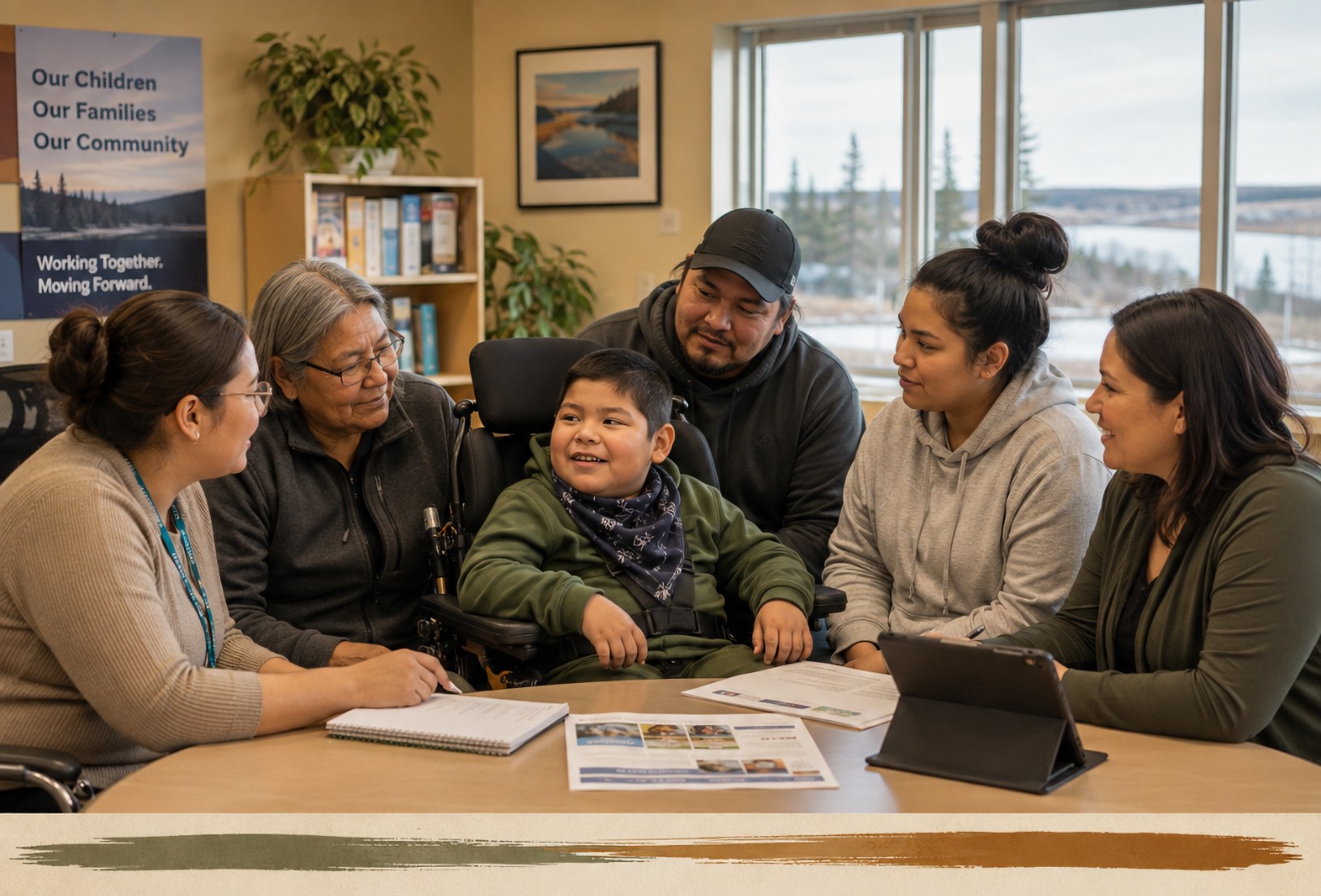
Manitoba runs a disability service system built on Western clinical assumptions that cannot hold Indigenous identity and disability in the same child, so First Nations children are misread, misdiagnosed, or never identified at all, while families in remote and northern communities are handed a choice between staying home with almost nothing and leaving for a city that costs them kin, teachings and belonging, and a child welfare default has been allowed to stand in which signing a child into care unlocks services otherwise withheld. Culturally grounded services are nearly absent, adult services stop at the reserve boundary, and a federal safeguard the province leans on has been narrowed by tighter eligibility and added paperwork, producing denials and delays for children already pushed toward it. The repair is a coordinated Indigenous informed service framework with priorities set by communities themselves, which means Community Builders must seat the families furthest from services at the table before the next program is designed, not after it has already failed them.
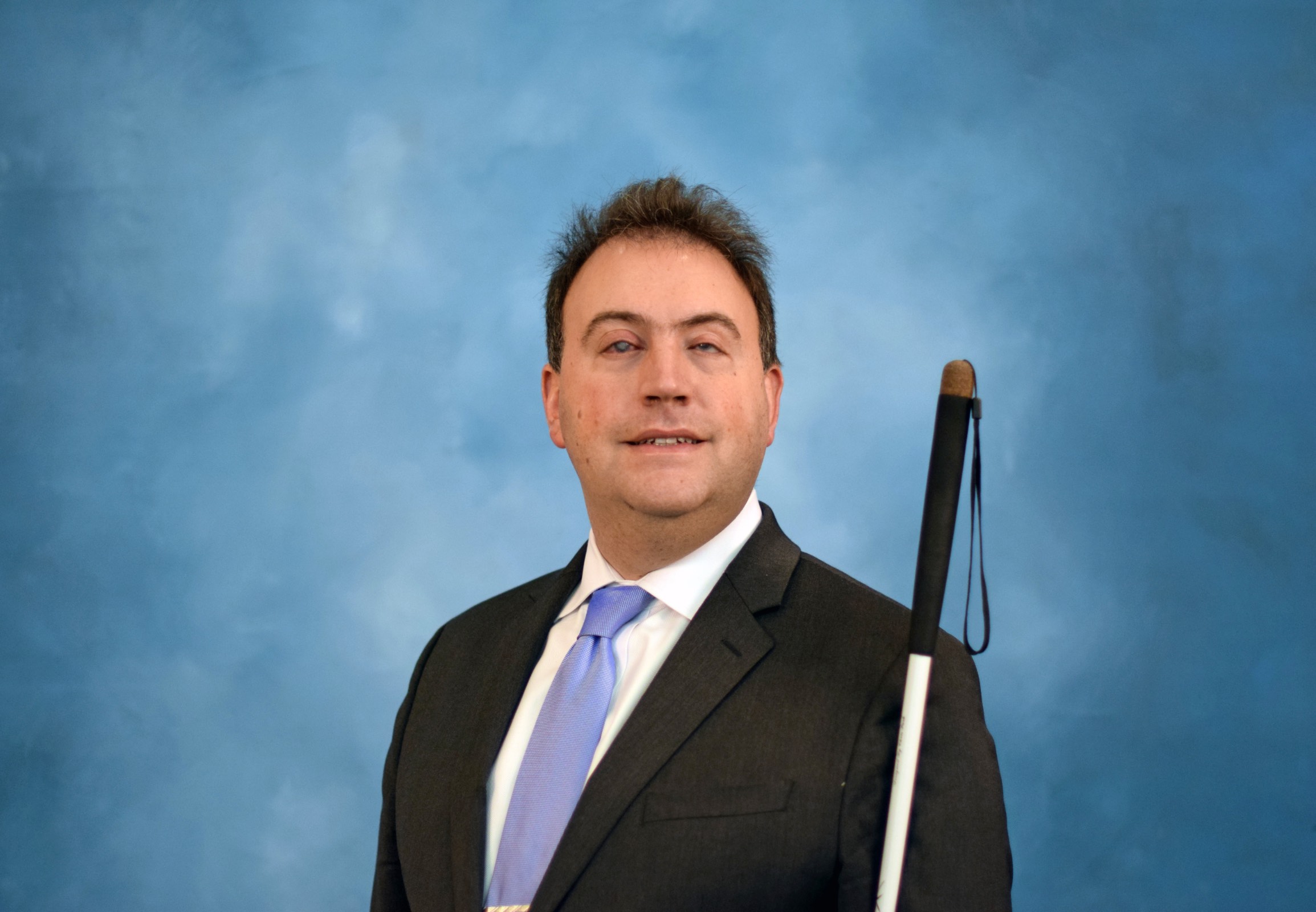
At the 2026 banquet of the National Federation of the Blind (NFB) in Austin, Texas, President Mark A. Riccobono used music as his framework to reject the centuries old idea that blindness is one tragic quality defining an entire person, tracing how Blind People awaken belief in one another and how a movement organized in 1940 turned isolation into collective force built on the differences among its members rather than on sameness. He catalogued how inventively Blind People solve problems and how inventively discrimination answers back, from strangers redirecting a Blind professional at her own workplace entrance to Blind diners handed lidded foam cups while sighted diners received glasses, and he called for more voices to carry the movement's theme forward. Community Builders can act on that this week by asking Blind People what would remove the barriers in an event or program before it is finalized, because planning ahead rather than reacting is how we remove the barriers that keep Blind People out of community life and build Vibrant, Diverse, Inclusive, Accessible Communities.

On the International Day of Persons with Disabilities, Keely Cat-Wells shows that People with Disabilities in the United States are twice as likely to be unemployed and that attitudes, inaccessible systems and benefits cliffs keep them out of work. She calls for skills based hiring, routine access at work, flexible schedules and disabled leadership at every decision making table.
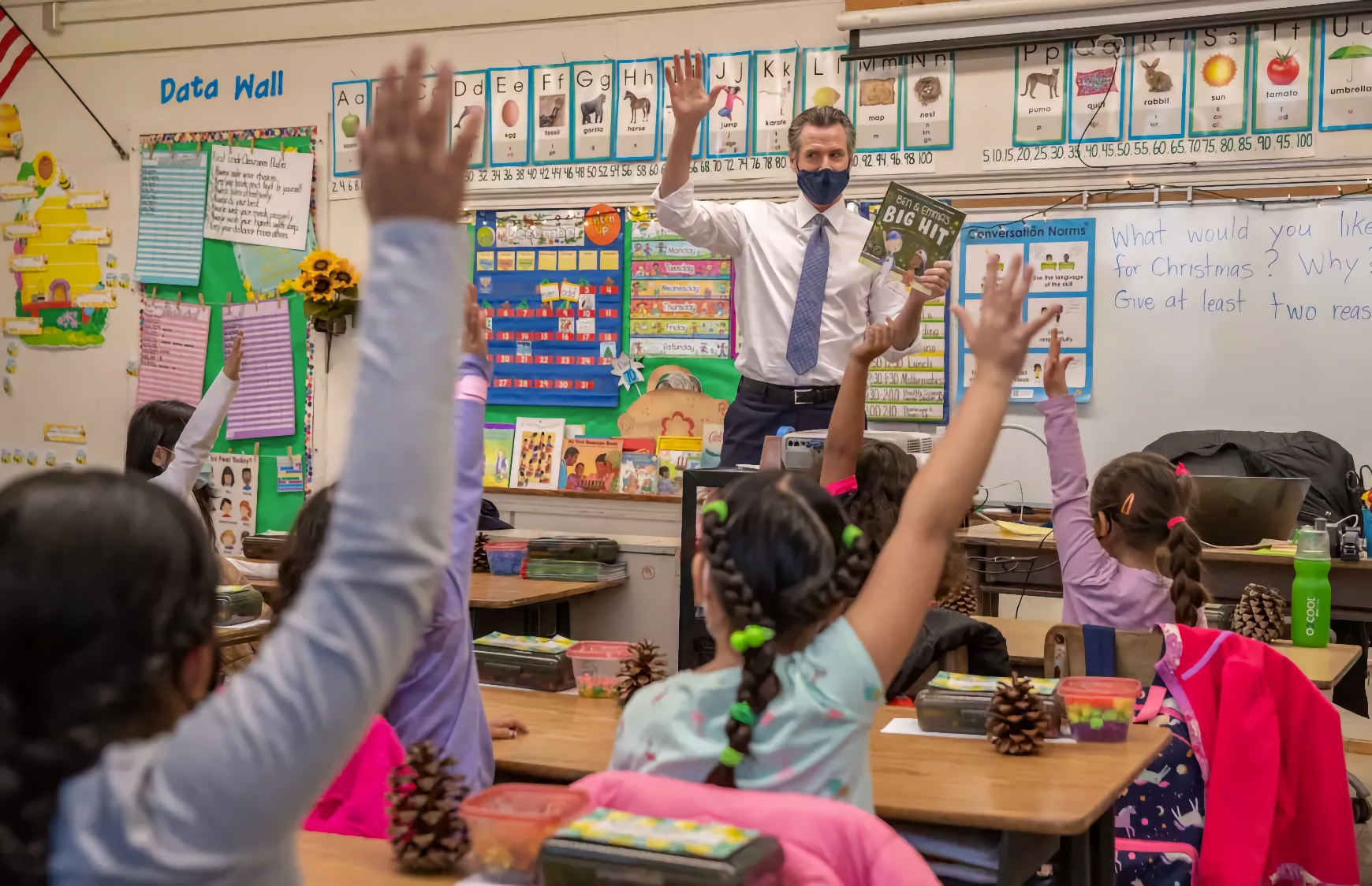
People with dyslexia continue to face school systems designed around a single model of learning that treats their cognitive difference as a defect, as documented by Richard Branson, who left school at sixteen after educators repeatedly dismissed his potential, and David Dillard, who went undiagnosed well into adulthood. Far from being a professional barrier, the cognitive approaches of dyslexic thinkers, including the capacity to perceive angles others overlook and to connect ideas across domains, are among the strengths that grow most valuable as artificial intelligence reshapes every field. Yet roughly one in seven students may have a learning disability, and public schools remain under-resourced to fully serve them, which is why Community Builders must take action to remove these educational barriers and treat equal access to quality learning as a shared responsibility.

Apple TV has released the teaser trailer for Being Heumann, with Ruth Madeley playing the activist Judith Heumann in a film directed by Siân Heder and adapted with screenwriter Rebekah Taussig from Heumann's own 2020 memoir. Heumann contracted polio at eighteen months old in Brooklyn, New York, and no Wheelchair User had ever taught in a New York classroom before she did. In 1977, because the government had failed to pass Section 504 of the Rehabilitation Act of 1973, hundreds of people occupied a federal building in San Francisco for twenty six days, and nothing before or since has held one in this country that long. Section 504 bars any program funded by the federal government from discriminating against a Person with a Disability. Heumann went on working from inside government until 2017 and died at seventy five in 2023, and the film reaches select theaters on November 6 and Apple TV on November 13.
Learn about topics related to People with Disabilities, Accessibility, Anti-Ableism, Removing Barriers, and the Disability Community? Tap the Explore button to discover something new and intriguing with each tap!