


Explore More Compelling Insights:
Learn about topics related to People with Disabilities, Accessibility, Anti-Ableism, Removing Barriers, and the Disability Community? Tap the Explore button to discover something new and intriguing with each tap!
David Parker profiles Darby Lee Young and Level Playing Field (LPF), tracing how a one-person consultancy “doing audits around Calgary” became “a team working across Canada and into the United States (U.S.).” The work is rooted in Young’s lived exclusion—“born with mild cerebral palsy and needing an electric scooter to get around,” unable to find “a place where she could meet with friends,” which was “frustrating and isolating.” LPF exists to remove barriers so People with Disabilities are not shut out of everyday life. Parker shows Young converting service into public accountability: she…
From pity to progress: ‘Change, Not Charity’ chronicles the Disability Rights Movement Premieres March 25, 2025 This powerful documentary shares the movement that led to the passage of the Americans with Disabilities Act (ADA) in 1990. The film highlights the collective efforts of People with Disabilities who worked to remove barriers in transportation, employment, and public spaces. Many accessibility features recognized today—such as curb cuts, ramps, and braille signage—were the result of dedicated advocacy. This documentary is essential viewing for those committed to building Vibrant…
At her university graduation, Melissa Parker, a wheelchair user, was making her way toward the stage to receive her degree when a woman organising the event casually called her "wheelchair-bound." Those words hung in the air. Simple and unthinking, they struck her deeply. Her thoughtless words made Parker feel so small and exposed. Parker didn't respond, and just collected her certificate as if nothing happened. Yet every time she leaves the house or goes online, Parker braces herself for insensitive language. It's exhausting. The term "wheelchair-bound" makes the wheelchair she's had since…
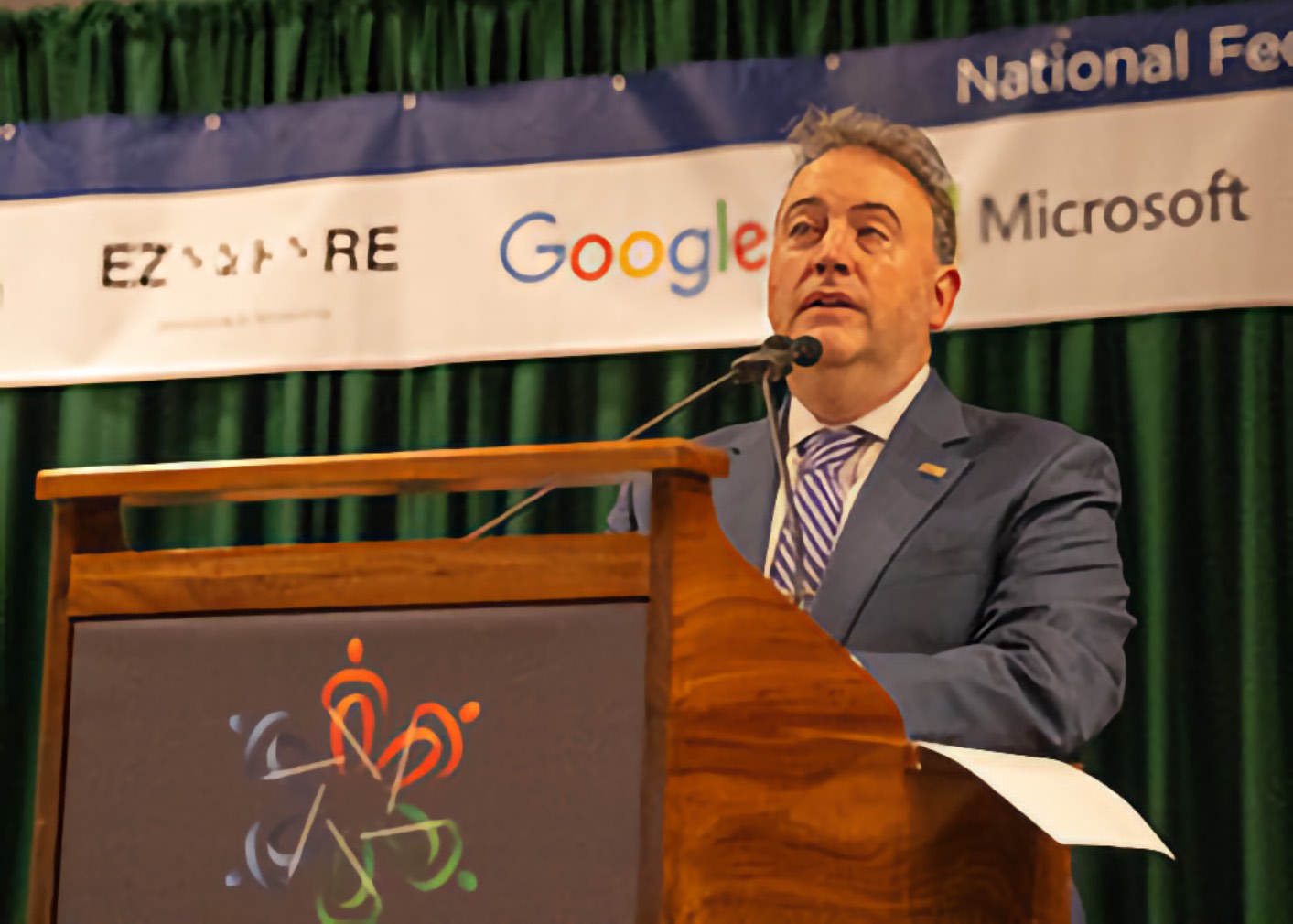
The 2026 Presidential Report of the National Federation of the Blind (NFB) set out a year in which Blind Americans were still refused the equality this country declared 250 years ago. A boy of eleven was ruled to have too much sight to keep his Braille, a physical therapist who is Blind lost a job offer the day after he disclosed his blindness, and federal agencies postponed long awaited web accessibility rules days before they were due. Blind People answered by winning back services, recording their own history, and claiming a place at the first stage of every plan, which is where removing barriers begins.
Every March, social media fills with messages recognizing National Cerebral Palsy Awareness Month. To many people, it may seem like just another awareness campaign. But for the millions living with cerebral palsy and the families who love them, it represents something much deeper: visibility, understanding and the hope for a more barrier-free and accessible future. Oklahoma is no exception. It's estimated that 691,000 people in the state have at least one disability. Based on a population of nearly 4 million and applying the national prevalence rate of about 3 cases per 1,000 people, it is estimated that roughly 12,000 Oklahomans are affected by cerebral palsy. My childhood came with barriers like extra doctor appointments, physical hurdles and a world that wasn't always built for someone like me. Still, when I went across the stage at my college graduation, diploma in hand, I felt like I had finally moved past those barriers. I believed graduating with honors proved that perseverance could carry me through anything. Soon after, though, I faced a harsh reality. Opportunity doesn't always follow achievement. And the job market wasn't always ready to see past my disability.
Bella Roberts edits film and television and has primary lymphoedema, and the route into her industry was built as though those two facts could not sit together: runner jobs that demand constant physical labour, an interview room two flights above the entrance, and a hiring process that treats naming what you require as a reason to pick somebody else. People with Disabilities hold just 9.7 percent of off screen roles against a national workforce figure of 20 percent, and Roberts reached a first editorial trainee credit only after a video asking for a chance travelled to more than a million people. Access should never depend on an audience, and communities that plan inclusion in before anyone shows up do not make people earn the right to get through the door.
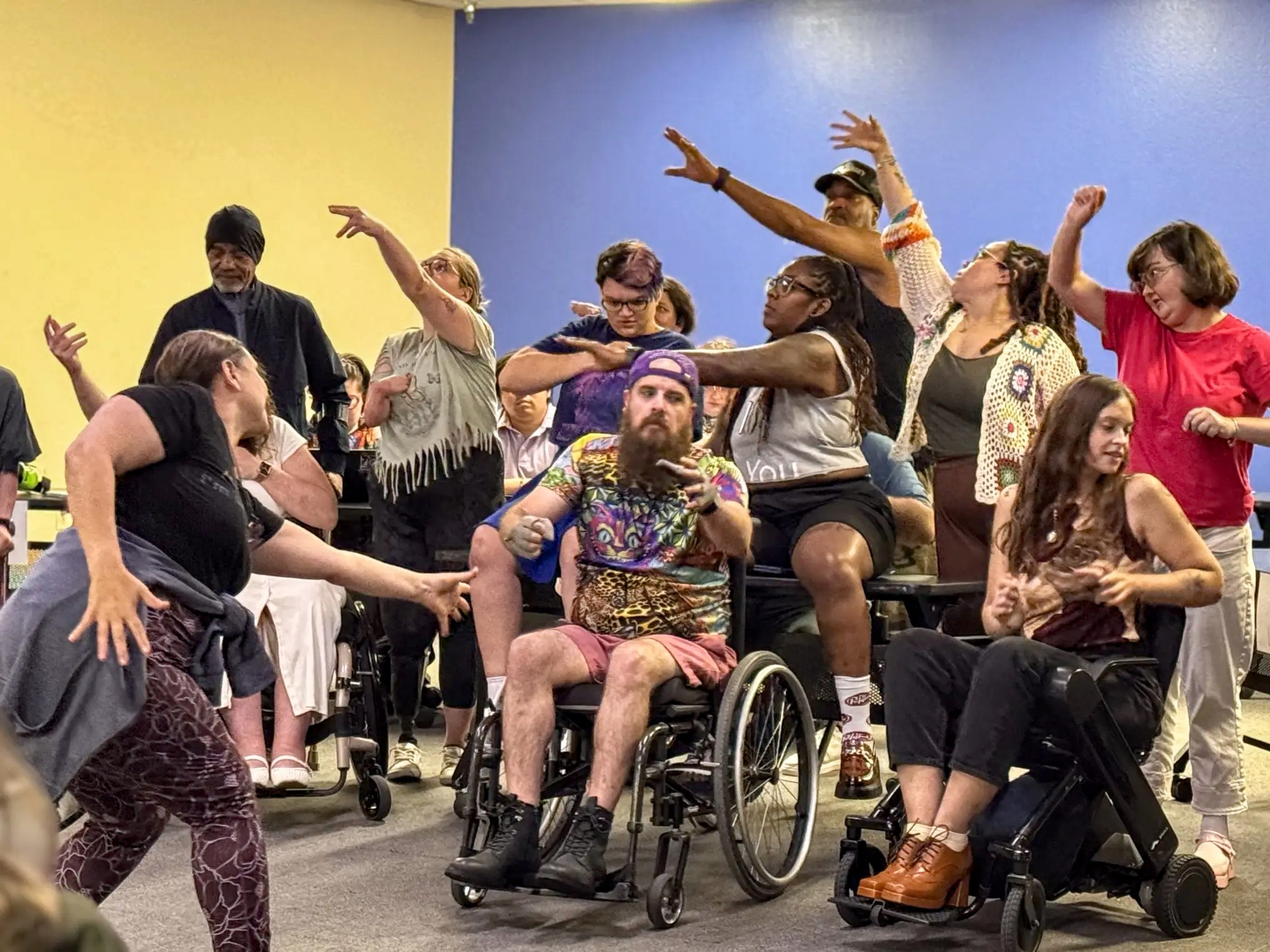
Nearly five decades ago People with Disabilities occupied federal buildings until officials wrote the rules putting Section 504 of the Rehabilitation Act of 1973 into force. Phamaly Theatre Company now opens its world premiere of "504: The Musical" in Denver while three states press to undo the promise that People with Disabilities receive services where they live rather than inside institutions. The company has spent more than 37 years making professional theater with casts drawn entirely from Performers with Disabilities, shaping rehearsals around the artists present rather than asking them to bend to an industry constructed without them. Its writers recall songs welcomed onto New York stages the performer had no route to reach. The show refuses a flattened celebration and follows a character who is Black, Korean and a Person with a Disability, carrying identities that each single her out. For anyone planning gatherings, programs or services the instruction is concrete. Whether a Person with a Disability takes part is settled by our planning and never by their disability, so plan the access before you set the date, ask on the invitation what each person requires, and invite People with Disabilities to shape the program while it can still change. That is how Vibrant, Diverse, Inclusive, Accessible Communities for People with Disabilities get built.
This photo-driven story marks International Day of the Girl with portraits that dwell on everyday moments — a bead threaded, a book shared, a pause beneath a long stretch of sky. Rather than grand scenes, the images attend to small gestures that reveal care, connection, and the spark of curiosity. Across locations, the pictures center girls’ creativity and learning: hands sorting bright trinkets, bodies at rest after play, faces intent on making or reading. The sequencing invites readers to notice how environment shapes possibility — rough ground, a blanket, a bridge overhead — and how family…
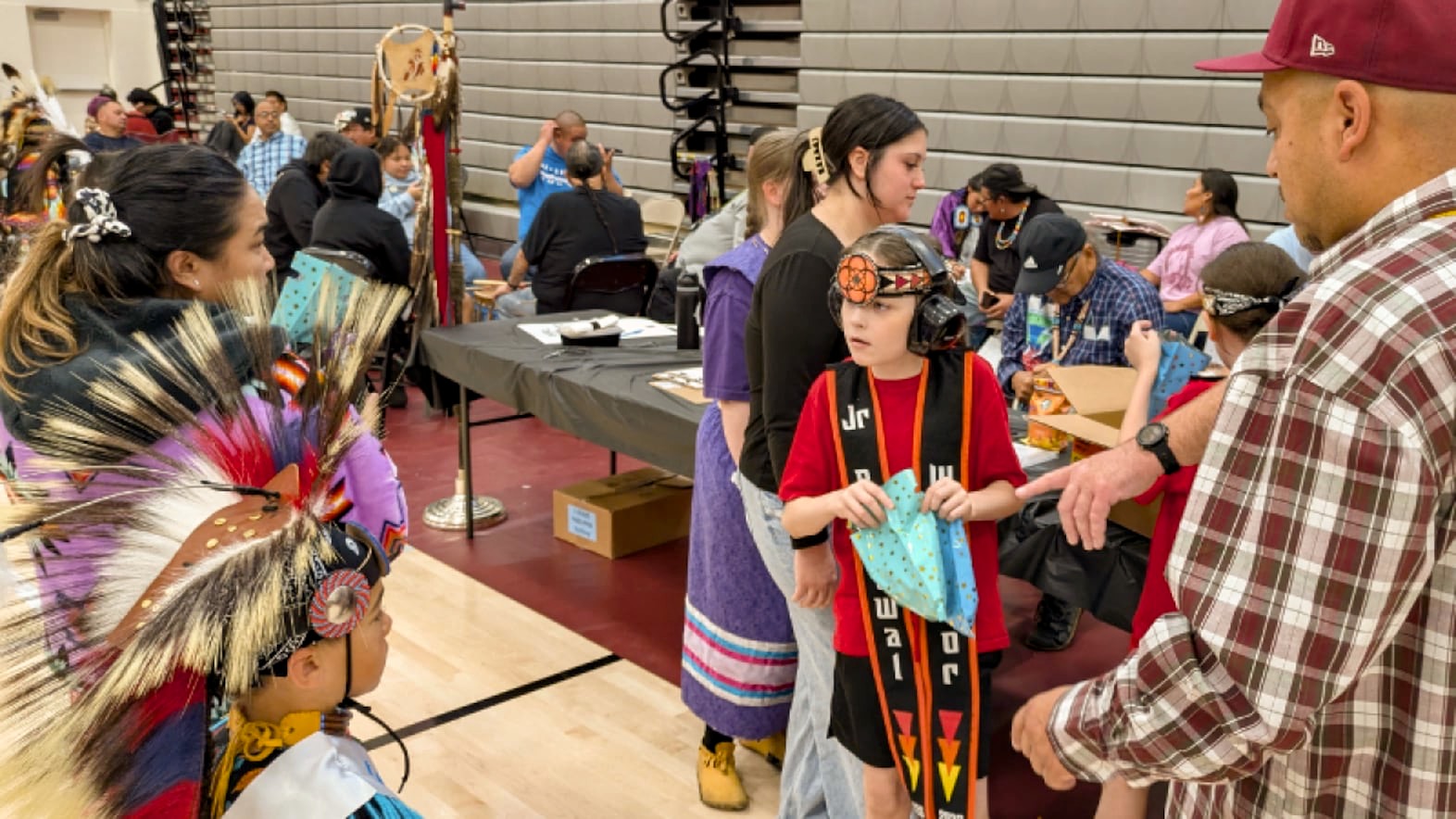
Shawn Reynolds of the Puyallup Tribe asked the South Sound Powwow, held in Graham, Washington, to open its floor to dancers with disabilities, and the special his family sponsored on September 26, 2026, did exactly that. Dancers could skip regalia, wear headphones, and bring a parent or caregiver, and his twin sons, Nakotah and Dakotah, who have autism, joined kids, elders, and young adults in the circle. Shawn wants powwows across the United States and Canada to add specials and a full dance category for people with disabilities, a plan shaped by lived experience in his own family.
Learn about topics related to People with Disabilities, Accessibility, Anti-Ableism, Removing Barriers, and the Disability Community? Tap the Explore button to discover something new and intriguing with each tap!