Explore More Compelling Insights:
Learn about topics related to People with Disabilities, Accessibility, Anti-Ableism, Removing Barriers, and the Disability Community? Tap the Explore button to discover something new and intriguing with each tap!
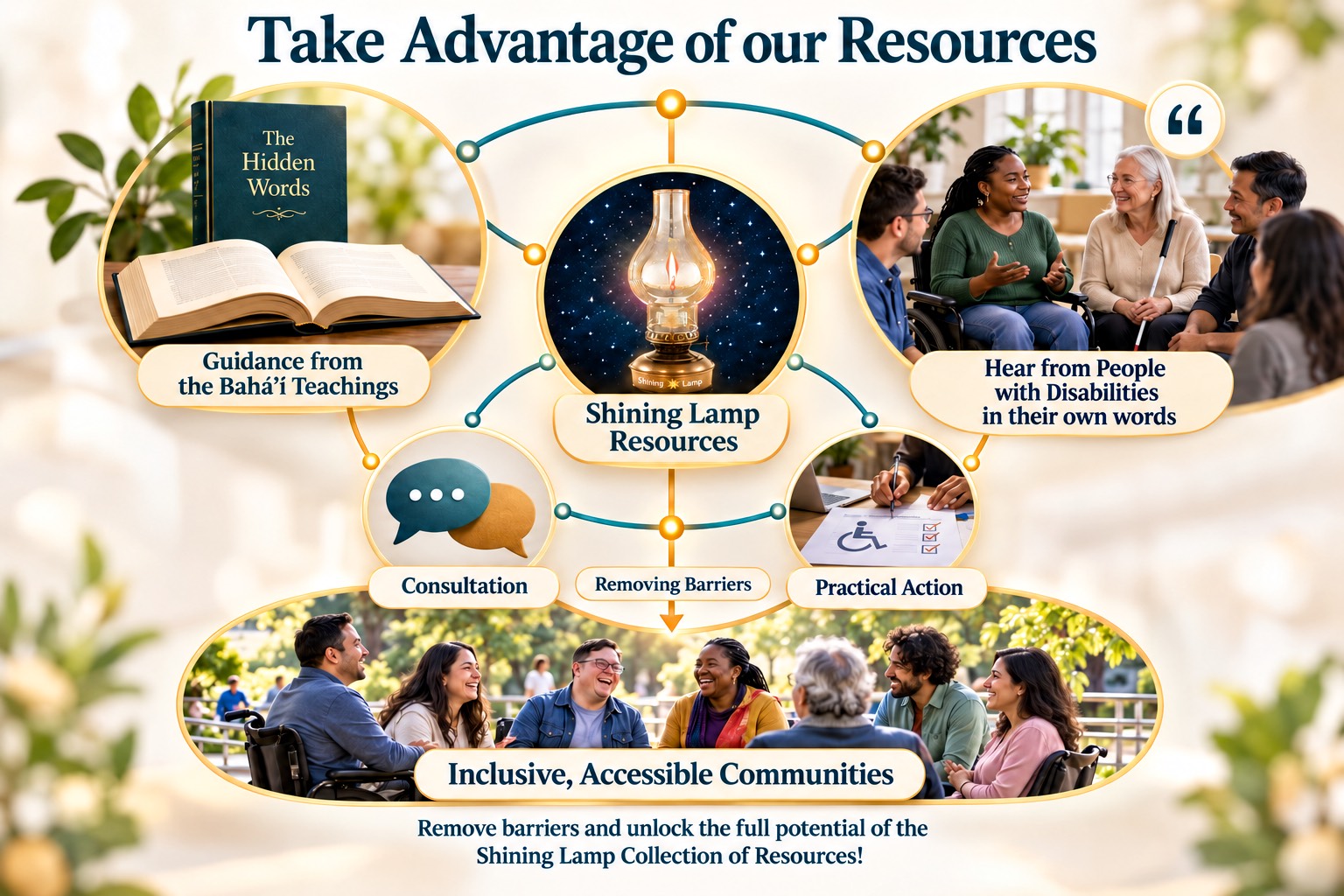
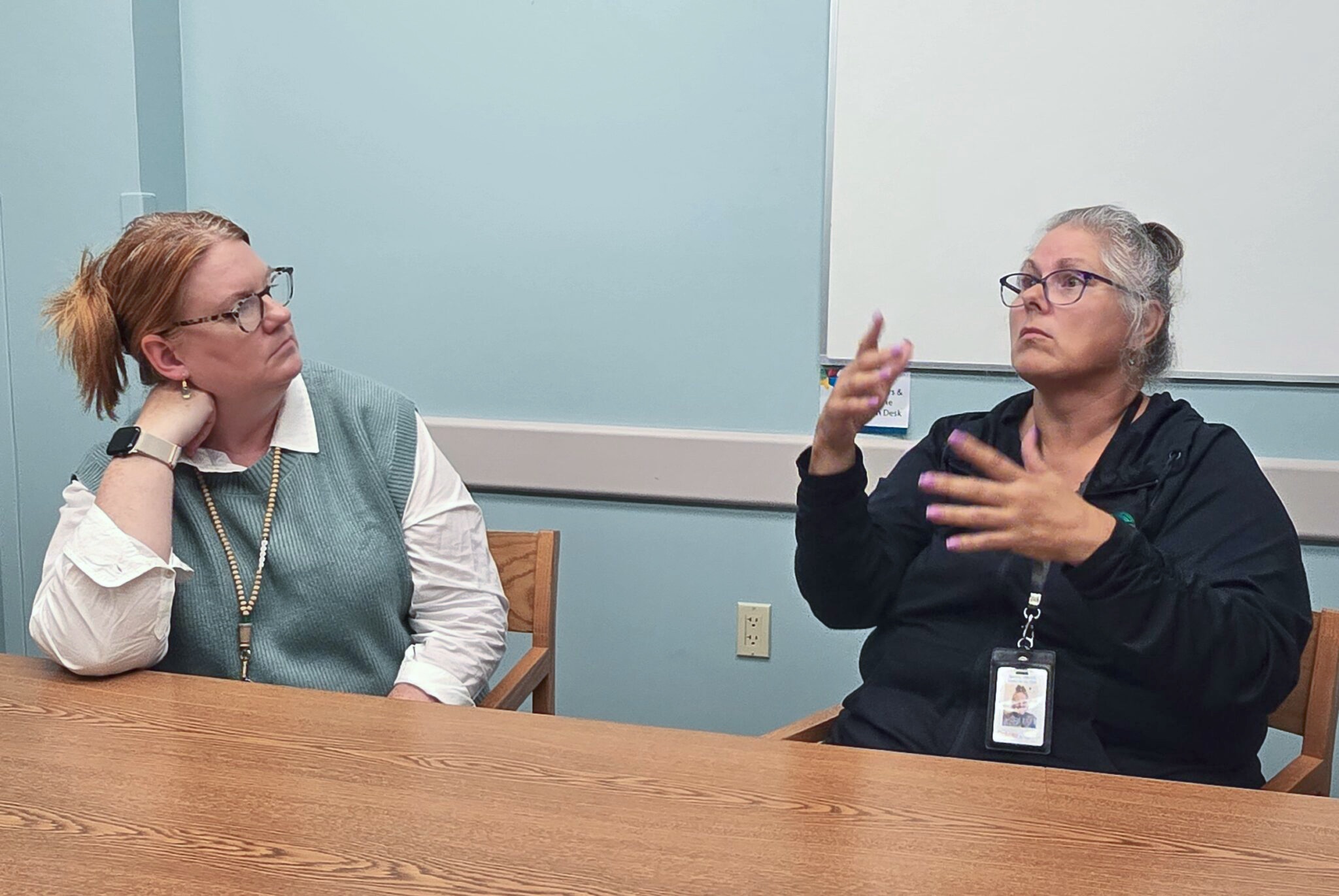
A Deaf parent brought their child to a Bismarck hospital during a medical emergency. The hospital’s video service for sign language failed, and there was no on-site American Sign Language (ASL) interpreter at the start. This blocked critical information in real time and is a communication failure the institution was obligated to fix by removing barriers. The article describes the harms that follow: key facts are missed or delayed during “life and death” conversations. Substituting lip-reading, family members, handwritten notes, or unstable video is not equal to a qualified interpreter.…

Caption: Reuben Looks Twice Jr has the Guinness World Record for longest hair on a male teen. Photograph: Courtesy Lakota Times A 17-year-old Lakota teenager, Reuben Looks Twice Jr, recently set the Guinness World Record for the longest hair on a male teen, measuring 161cm (5ft 3.3in). “Culturally, Lakota people have long hair,” Reuben said, invoking the Lakota word for “spirit.” “It’s part of our Nagi. It’s who I am. I feel proud to represent my family and the Lakota Nation.” Reuben began growing his hair because hair clippers scared him. As he got older, he continued growing it to honor the…

In Nebraska, Latina mothers are collaborating with local police through the Project Lifesaver initiative to enhance safety for children with disabilities. This partnership focuses on removing barriers to ensure that children with disabilities can fully participate in their community activities. Project Lifesaver provides children with specialized tracking bracelets that emit a signal, helping emergency responders locate them quickly if they wander away. This critical tool addresses safety concerns and ensures that these children are included in their communities without unnecessary risks.

Get ready to Laugh, Lean, and Love as we take you on a flavorful journey through the kitchens of Blind People! This episode of The Nation’s Blind Podcast shines a spotlight on The Colorado Center for the Blind’s very own Delfina Rodriguez, an instructor who supports Blind students in gaining confidence and independence in the kitchen. Hosts Anil and Melissa are joined by Delfina, along with Cameron Loehr, a blind chef and instructor at the Louisiana Center for the Blind, and Elizabeth Rouse, a former student. Together, they share how they mastered cooking and preparing meals for over sixty…
This is a fun and Free resource for learning American Sign Language (ASL) at your own pace. It uses Video-based learning materials with interactive exercises, quick lectures and reviews. It is Time Efficient and focuses on learning the ASL most relevant to you with a modular curriculum. There are on-Line and Mobile Apps available. Learning to say even a few words or phrases directly to a Person who is Deaf and Speaks ASL and who belongs to your Community will help remove barriers and create a more Inclusive, Accessible Community Environment! Before you know it, you will be having entire…
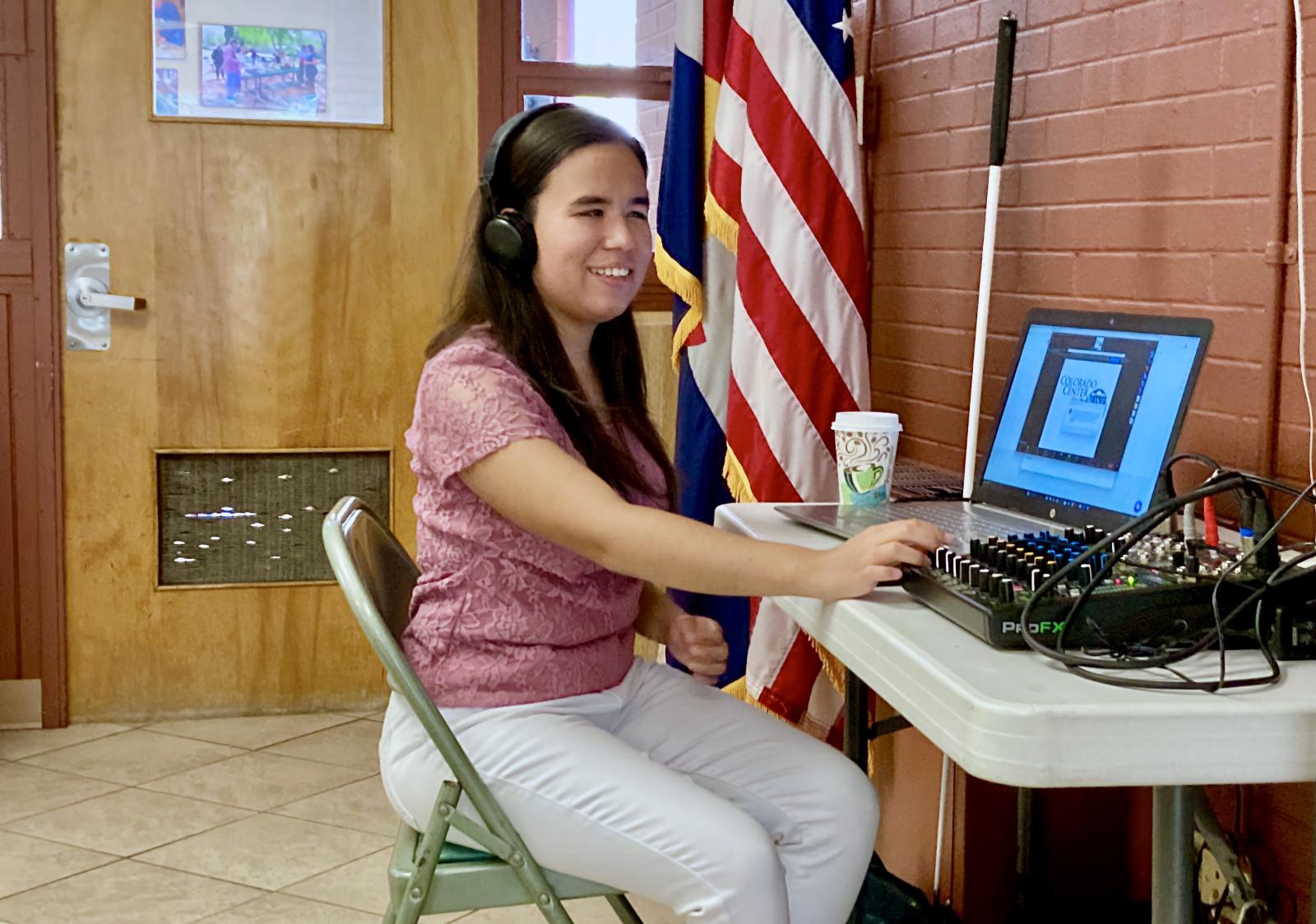
Michelle Guadalupe Felix Garcia, a Blind audio engineer from Mexico, was told her dream was impossible; with tactile tools, mentors and persistence she earned her degree and became the first Blind woman certified in Pro Tools.
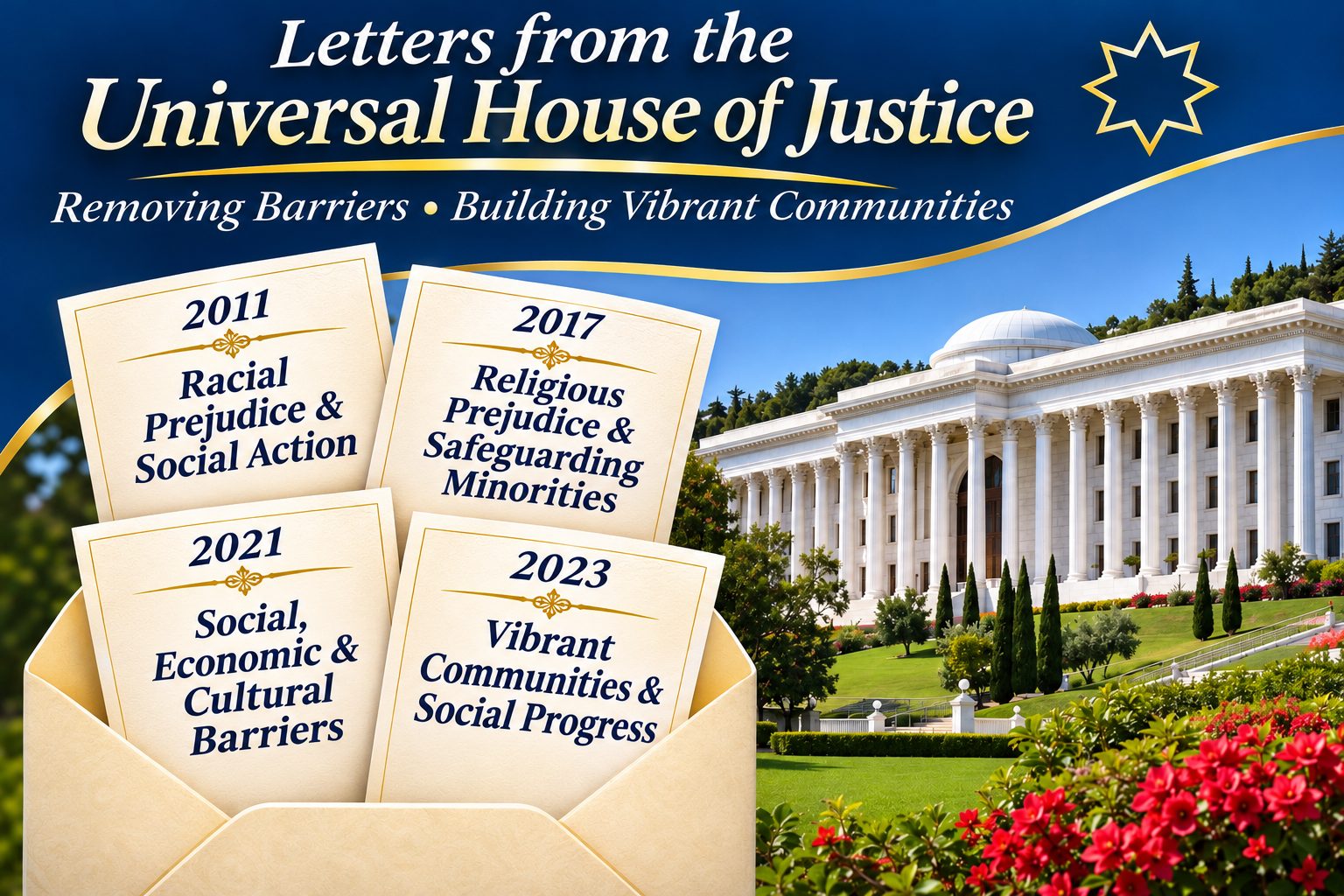
Passages from letters of the Universal House of Justice, the international governing council of the Bahá’í Faith, on building communities where every person belongs: nurturing and safeguarding every minority, freedom from prejudice, and the social, economic and cultural barriers that hold back people’s progress. See also Bahá’í Faith and People with Disabilities.
A generation of Americans still can’t escape the threat of COVID. By Yasmin Tayag The COVID-19 pandemic has changed life for older adults in many ways, causing significant social implications for this demographic. Although vaccines offer some protection, older adults are still at greater risk of severe illness and death from COVID-19, and many suffer from long-term symptoms. Furthermore, the pandemic has resulted in severe isolation and caregiver shortages, compounding the issues that many older adults were already facing, such as poverty, loneliness, and inadequate personal care. The…
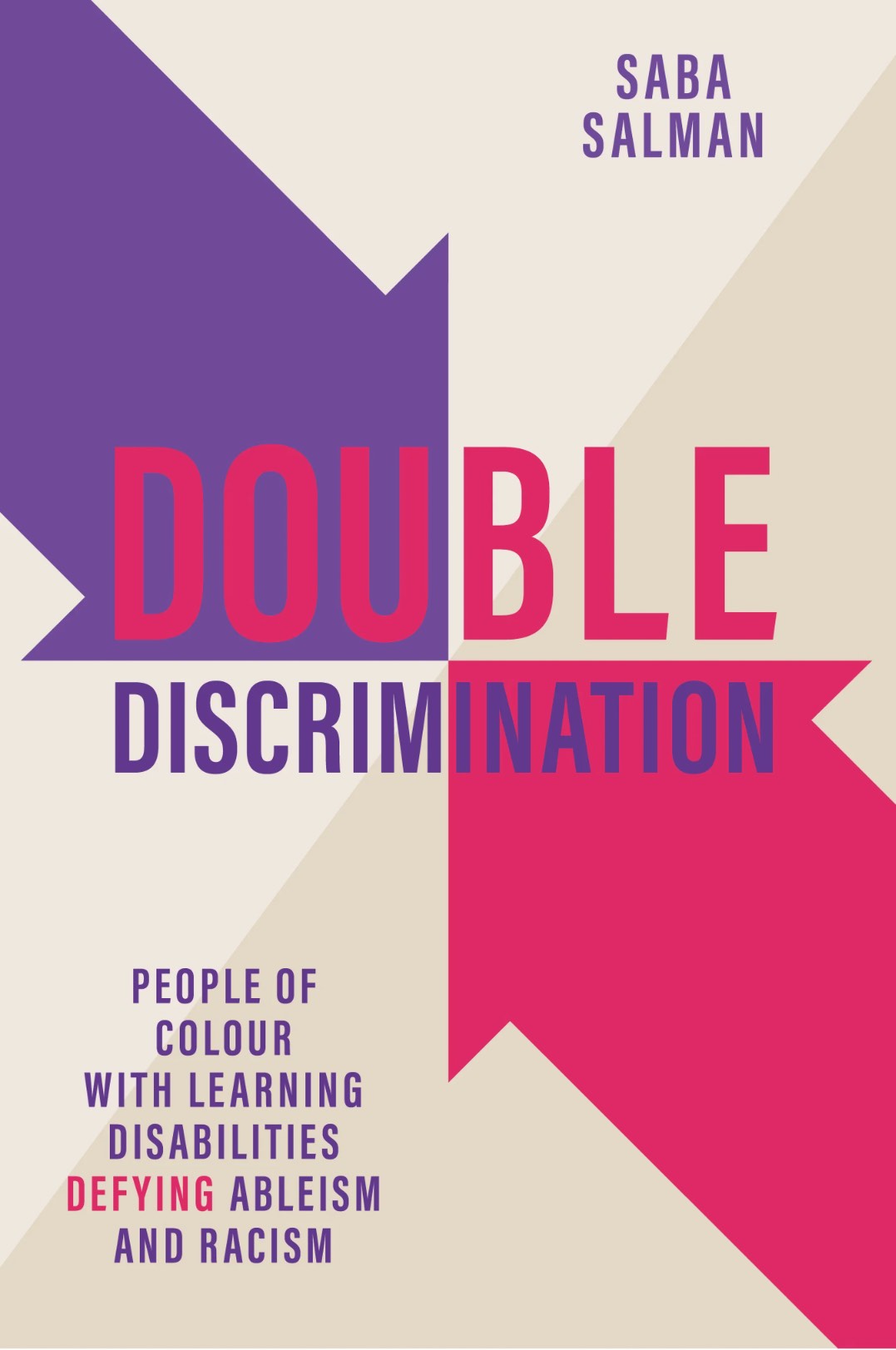
Journalist Saba Salman wrote Double Discrimination for her youngest sister Raana, who is British, South Asian, and has a Learning Disability, and whom people rarely picture as both disabled and a Person of Colour. Her reporting shows that people facing racism and ableism together are skipped by the social justice ideas meant to counter bias, and that inequalities in housing, work, health and schooling are shocking in scale. The book closes on the defiance and optimism found among public sector organisations, charities, activists and families. We should plan every program, service, event, and communication with someone like Raana in view.
Learn about topics related to People with Disabilities, Accessibility, Anti-Ableism, Removing Barriers, and the Disability Community? Tap the Explore button to discover something new and intriguing with each tap!