
Striving to remove barriers that prevent us from building Vibrant, Diverse, Inclusive, Accessible Communities!
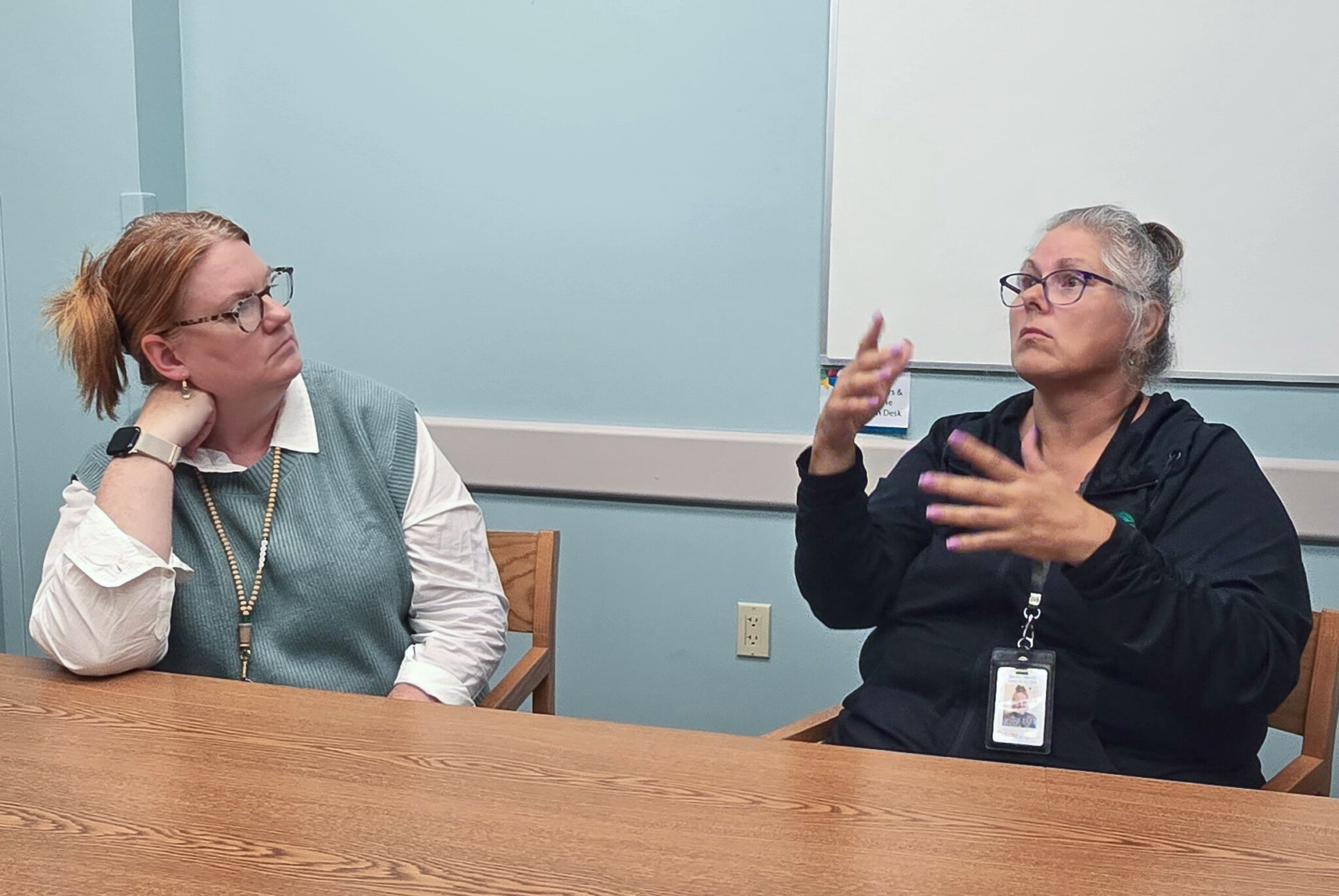
A Deaf parent brought their child to a Bismarck hospital during a medical emergency. The hospital’s video service for sign language failed, and there was no on-site American Sign Language (ASL) interpreter at the start. This blocked critical information in real time and is a communication failure the institution was obligated to fix by removing barriers.
The article describes the harms that follow: key facts are missed or delayed during “life and death” conversations. Substituting lip-reading, family members, handwritten notes, or unstable video is not equal to a qualified interpreter. Centering practice in anti-ableism means ASL access must be routine in emergency care, not optional.
The report references the Americans with Disabilities Act (ADA) requirement for effective communication. For complex medical discussions—history, diagnosis, treatment, consent—a qualified interpreter is generally required. That reflects the social model of disability: the burden is on the hospital to ensure access, not on the Deaf parent to compensate for system failures.
The piece also describes a wider pattern in North Dakota, including thin interpreter coverage and technology that can pixelate, lag, or freeze. These are problems to solve. The practical path is to hold statewide contracts and on-call rosters, fund interpreter education and competitive pay, and use remote services only to complement on-site work—building a disability-friendly future where ASL is in place before emergencies.
Read the full story: Lack of sign language interpreters in North Dakota a major barrier
By: Michael Achterling (North Dakota Monitor, Oct. 27, 2025).
