Explore More Compelling Insights:
Learn about topics related to People with Disabilities, Accessibility, Anti-Ableism, Removing Barriers, and the Disability Community? Tap the Explore button to discover something new and intriguing with each tap!
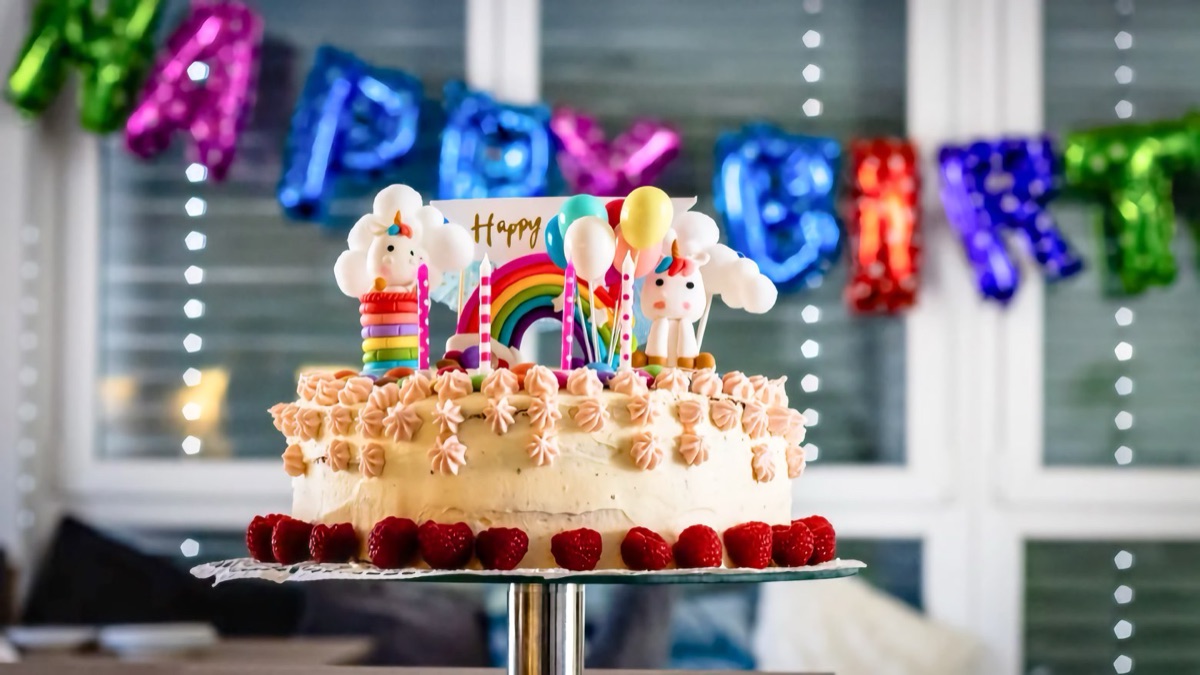
On her 29th birthday, Antonia Sinibaldi was served a dessert with “Happy Birthday Wheelchair!” written where her name belonged. Staff had used the word on a ticket to find her table, and the restaurant said no disrespect was meant, yet the ticket had already reduced a guest to a wheelchair. Sinibaldi writes publicly about accessibility and her own spinal cord injury, and she will not go back. We should lead with a person’s name on any notation we write, and keep a detail about a wheelchair beside the name, never in its place.
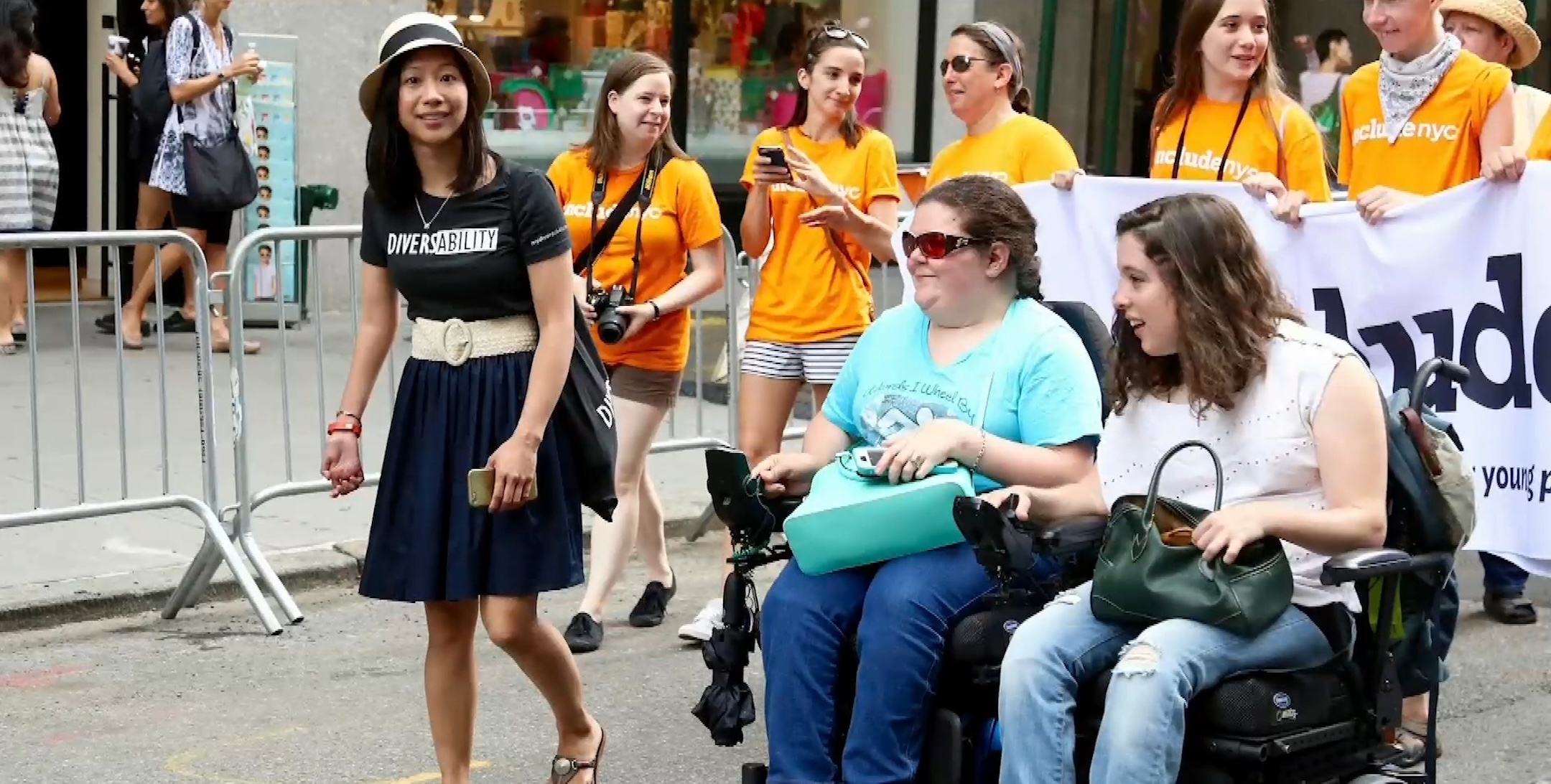
Watch: A Brief But Spectacular take on embracing disability pride on PBS
On PBS News Hour, Diversability founder Tiffany Yu tells how a car crash when she was nine left her disabled and took her father, and how people’s unease and her own twelve years of silence taught her shame. Telling her story let her be seen, and she now builds community and what she calls a change from shame to pride, the work of disability pride. Communities that welcome these stories would make room for Vibrant, Diverse, Inclusive, Accessible Communities for People with Disabilities.
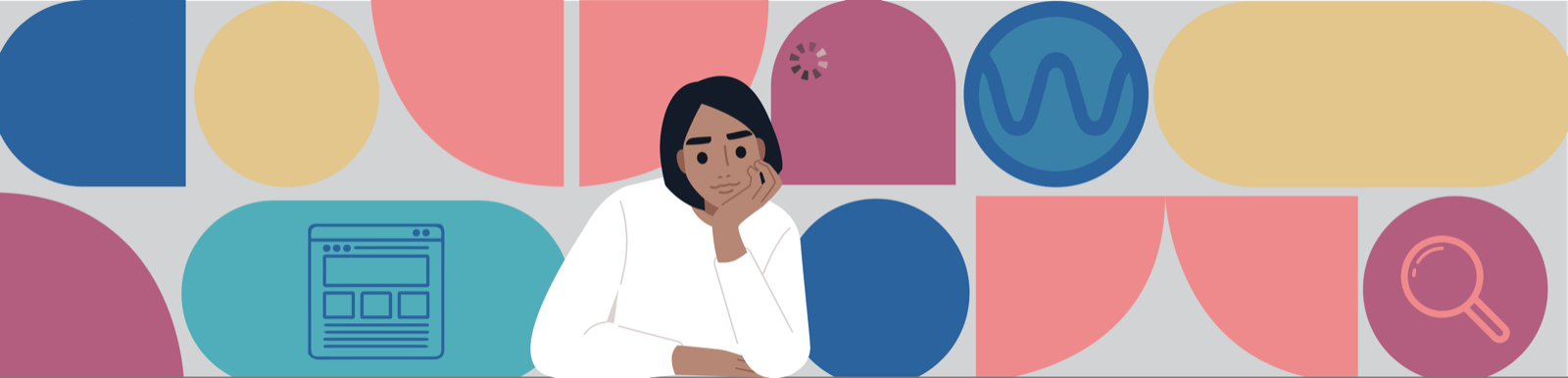
Whitney Lewis’s guide for content creators shows how the people who publish pages, posts, videos and documents keep barriers out of their work. It starts with WAVE, a free browser checker from WebAIM to run on every page before it goes out, and covers seven basics: text descriptions for images, strong contrast, a logical heading order, data tables with header cells, links that name where they lead, plain writing and formatting, and videos with captions, audio description and transcripts, as in the guide to writing meaningful ALT text. Content checked this way would make room for Vibrant, Diverse, Inclusive, Accessible Communities for People with Disabilities.
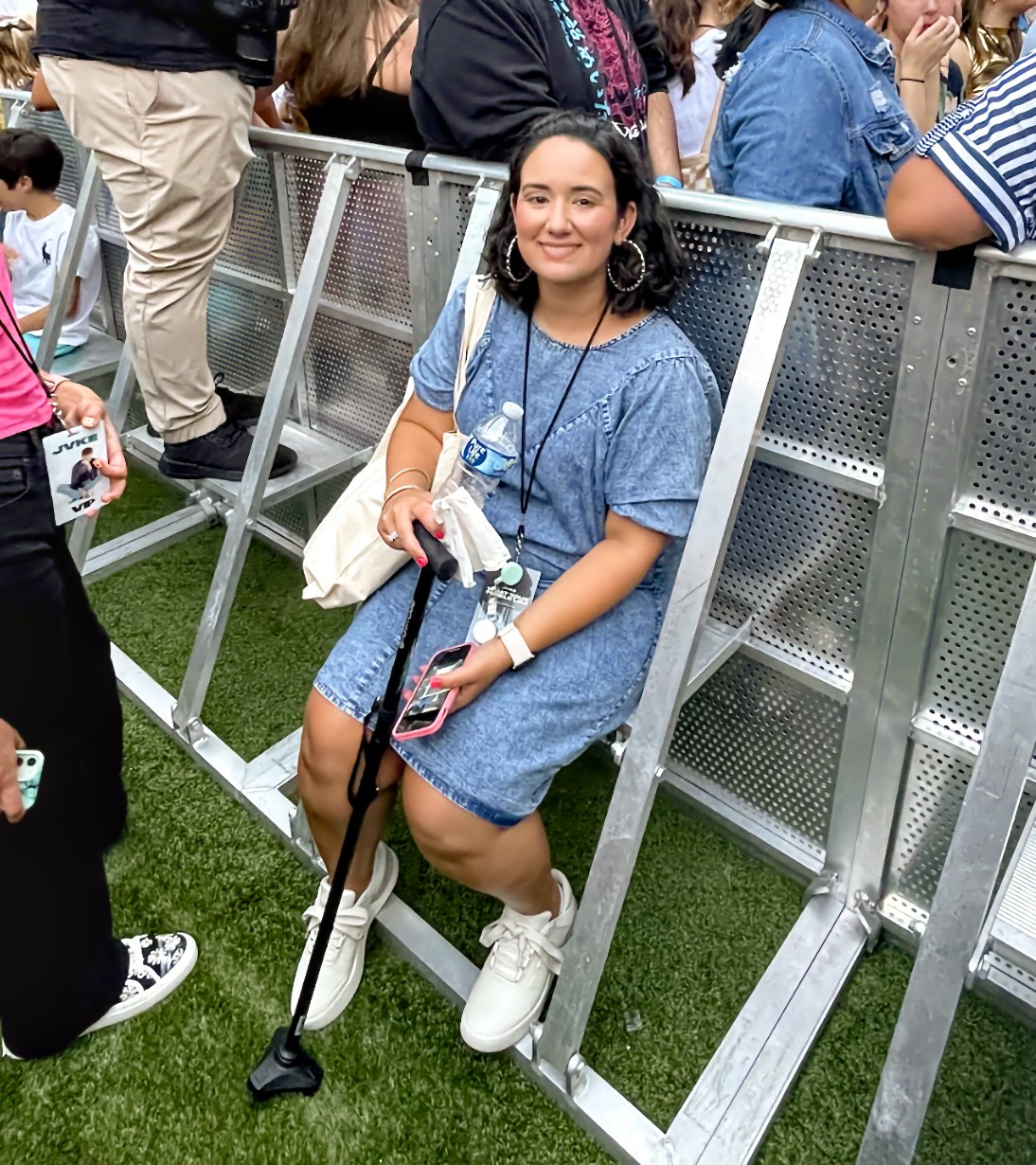
Seating arranged by phone weeks ahead of a concert turned out to be a metal bench on the far side of a barricade, facing away from the stage, with the standing crowd's elbows level with her head, and when a man from the VIP side put his child on it he demanded to know what made her so special, then watched her the rest of the night to see whether dancing or smiling would disqualify her. Her disability moves along a spectrum and shifts with circumstance, which for years brought dismissal from the people she consulted and doubt from relatives, and none of that changes the fact that asking for what removes a barrier does not depend on anyone else's sympathy. Belonging is the starting condition for People with Disabilities, and any gathering that hands it out as a prize has already built the barrier.

Self-care is foundational to participation, independence and long-term sustainability at work and in school, particularly in environments that still carry unspoken expectations around appearance, presentation and productivity. Societal expectations set uniform appearance standards. Sarah Todd Hammer emphasizes access over novelty, naming concrete options: accessible makeup from Tilt Beauty (ease of use certified by The Arthritis Foundation (AF)), Kizik shoes that are put on and taken off completely hands-free, and the Flaus electric flosser whose vibrations move the floss side-to-side to…

Micaela Connery tells how her cousin Kelsey, who had multiple significant disabilities, found no home of her own, and how that led to The Kelsey, which builds housing that is affordable, accessible and inclusive. It designs around what People with Disabilities asked for, in the spirit of nothing about us without us.
By Katherine Schaeffer Pew Research Center Delve into the evolving landscape of women's roles in the American workforce and society, where significant gains have been made alongside persistent challenges. Over the past half-century, women have achieved higher labor force participation, greater representation in college-educated roles, and increased presence in lucrative professions. However, gender disparities endure, particularly in top leadership positions across government and business sectors. Explore the nuanced trends shaping women's experiences, from their outnumbering men in…
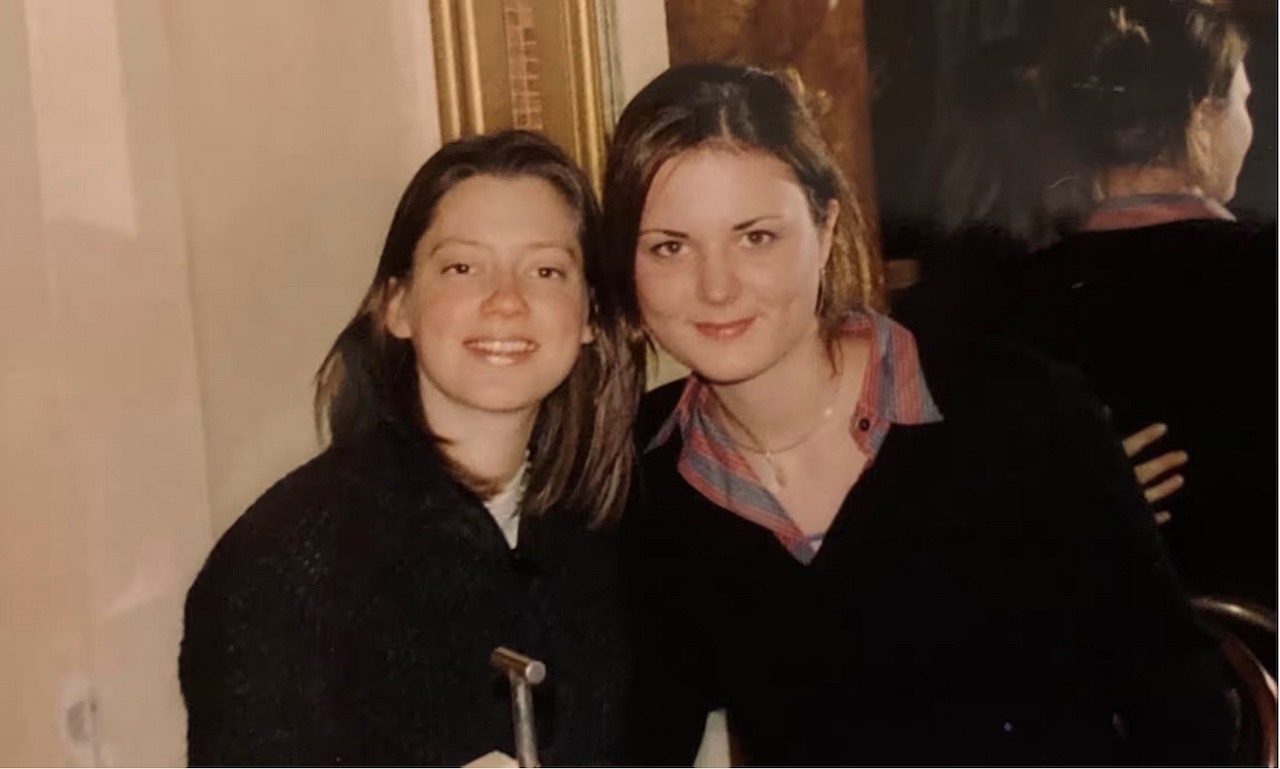
Sarah Marsh, who is Deaf, grew up thinking her deafness was a flaw until she met Rosie, another Deaf student, at university in 2001. Their friendship of more than twenty years taught her that she did not have to hide her hearing aids or who she was, and it showed her Deaf identity as part of who she is.
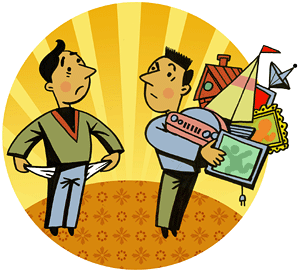
Jodie T. Allen and Michael Dimock of the Pew Research Center report that Americans now divide evenly, 48 percent to 48 percent, on whether the country has two economic classes, where only 26 percent saw a split in 1988. The share counting themselves with the “have nots” doubled to 34 percent, and Black adults are far likelier than white adults to see the divide, 67 percent to 45 percent. We should plan our next program, service, or event expecting that money is tight for many of the people who might join us.

At the National Federation of the Blind (NFB) Jernigan Institute on December 5, 2025, members of Maryland’s congressional delegation announced legislation introduced in the House of Representatives (H.R. 6467) and the United States Senate (S. 3371) to designate the Museum of the Blind People’s Movement as the National Museum of the Blind People’s Movement. The article frames this as a civil rights moment grounded in “collective action,” insisting that blind people’s central role in advancing civil rights belongs in the nation’s official story—not treated as optional or “undershared.”…

Raffi Stein-Klotz, 24, is part of an adult Jewish learning series created specifically for people with intellectual and developmental disabilities at Jewish Association for Residential Care (JARC), where he and his housemates study Genesis, learn terms in Hebrew and English, and practice “boker or” and “boker tov.” The article makes clear why this matters: advocates say there are “few if any options” for formal adult Jewish education tailored to them, leaving adults pushed out of the learning that shapes Jewish life—until programs commit to providing “Jewish academic resources for adults with…
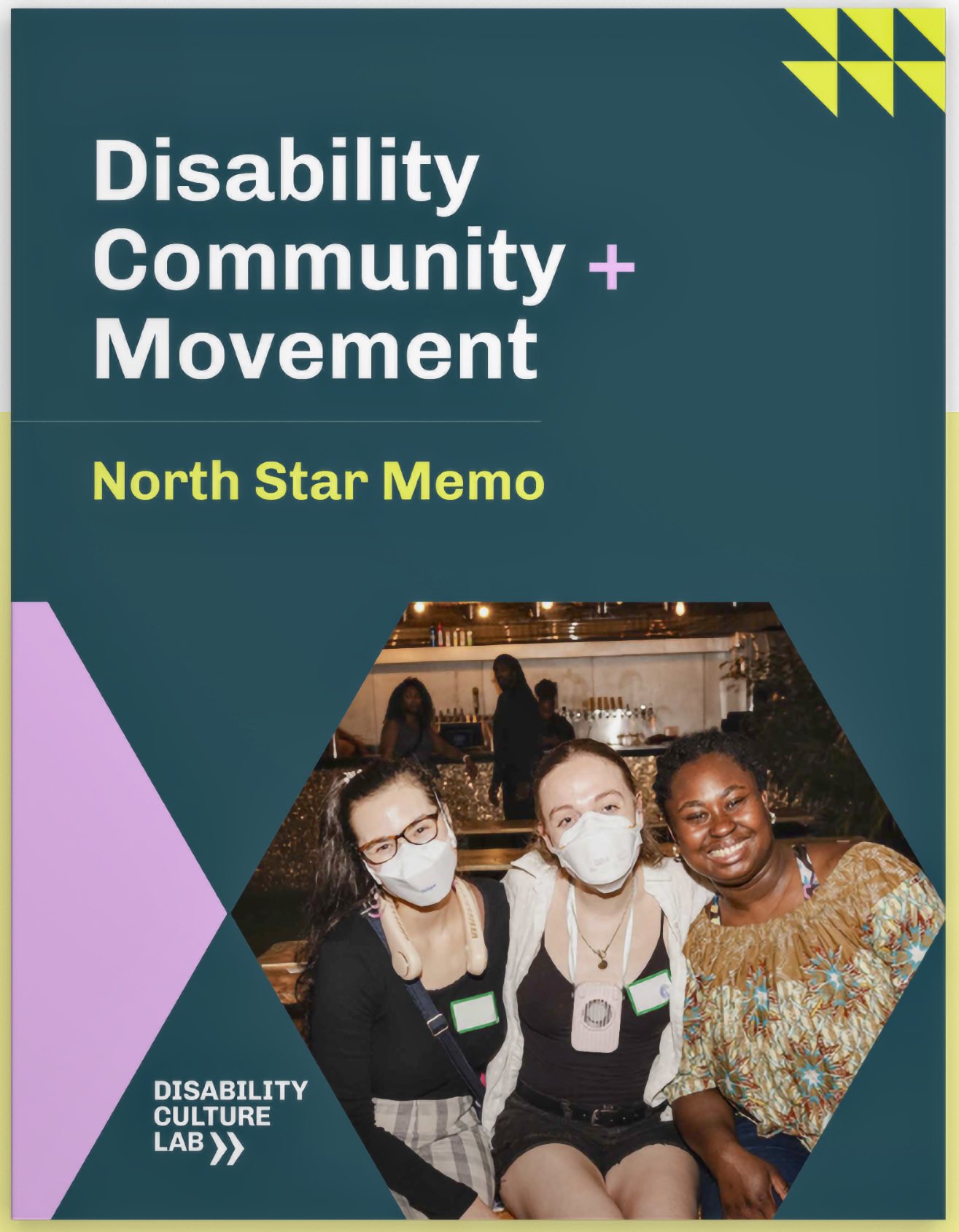
The North Star Memo, built over a year by close to 50 disabled leaders and backed by over 20 groups working for disability justice and rights, puts People with Disabilities in charge of imagining the future instead of inviting them in once the decisions are made. It argues that who becomes disabled is shaped by choices made for profit and power, that the weight falls hardest on trans people and on Black and Indigenous women, and that interdependence and care deserve the same standing as roads and broadband. For us, the lesson is to bring disabled people into our planning while it is still taking shape.
Posted by: Ralph Morren In a powerful display of empathy and self-reflection, a pastor undergoes a profound transformation, becoming a homeless Black man to directly experience the harsh realities of marginalization within his own congregation. As he enters the church where he is to be introduced as the new head pastor, he is met with indifference and disdain, with only a handful of individuals extending a simple greeting amidst a sea of apathy. Despite his hunger and need for assistance, his pleas are met with silence, underscoring the prevalent barriers to compassion and understanding.…

Jonathan Mosen, a Blind and hard of hearing songwriter, wrote the Christmas song “A Place Beside the Fire” himself, shaped its arrangement and melody with Suno, an artificial intelligence (AI) music generator, and, because his hearing is degenerating, used AI to produce a sample of his voice. He invites Blind listeners to be glad the song exists and other listeners to learn what some Blind People hope for in a better world. We should add the song to our holiday playlists and share it far and wide.
.
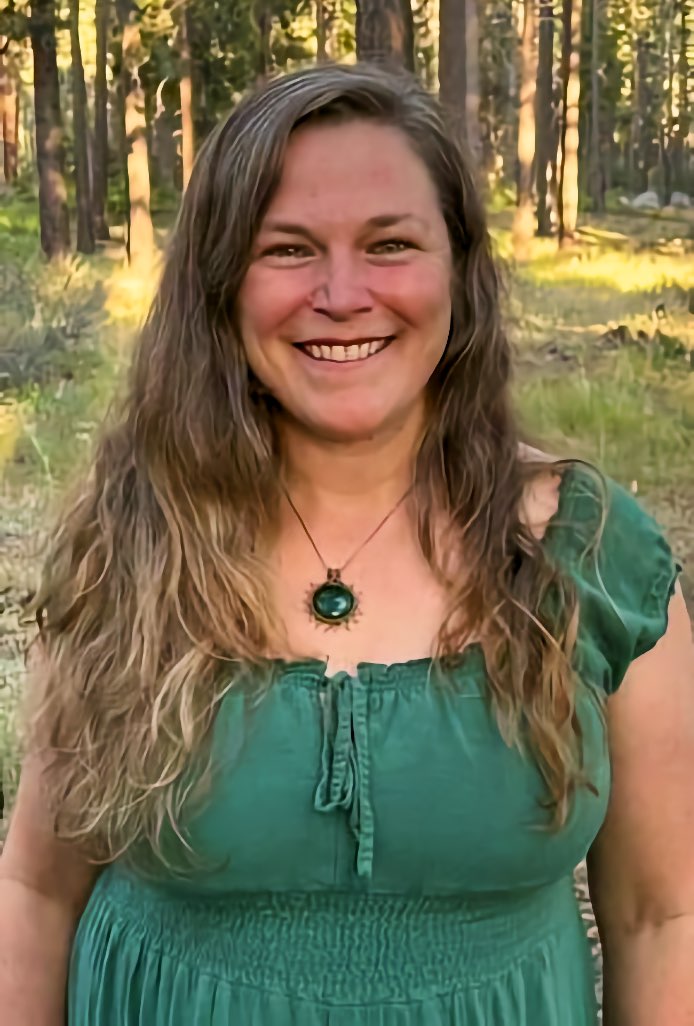
An opinion piece on the future of the Lake Tahoe region argues that a place protected for thirty years is still built for a narrow slice of the people who love it, where the beach, the trails, the snow, and the events open only to those who can already reach them and anyone asking for access is told to justify the request. More than one in four adults in the United States is a Person with a Disability, and real access is designed from the first meeting for cognitive, psychiatric, sensory, communication, physical, and non apparent disabilities rather than counted off a list of ramps and parking spaces. The familiar answers about short capacity, short money, and mission scope are choices that hand the work back to the People with Disabilities already shut out, because access is not charity granted when it is convenient. Sustainability that guards water and forests but not the people who love the lake preserves only half of it, and People with Disabilities belong in planning seats, paid consulting roles, and leadership positions before the barrier is ever built.

Frances Ryan’s book Who Wants Normal? gathers advice from 26 disabled women. Rosie Jones says, “Having a disability is not a disadvantage; it’s a different perspective”; Natasha Devon and Emma Barnett urge readers to speak up for themselves; Alice Wong advises dropping borrowed ideas of success; and Sophie Morgan tells readers to reject the message that a disabled life counts for less, the message of ableism. Jane Campbell closes with a call to keep fighting for inclusion. Listening to disabled women would make room for Vibrant, Diverse, Inclusive, Accessible Communities for People with Disabilities.
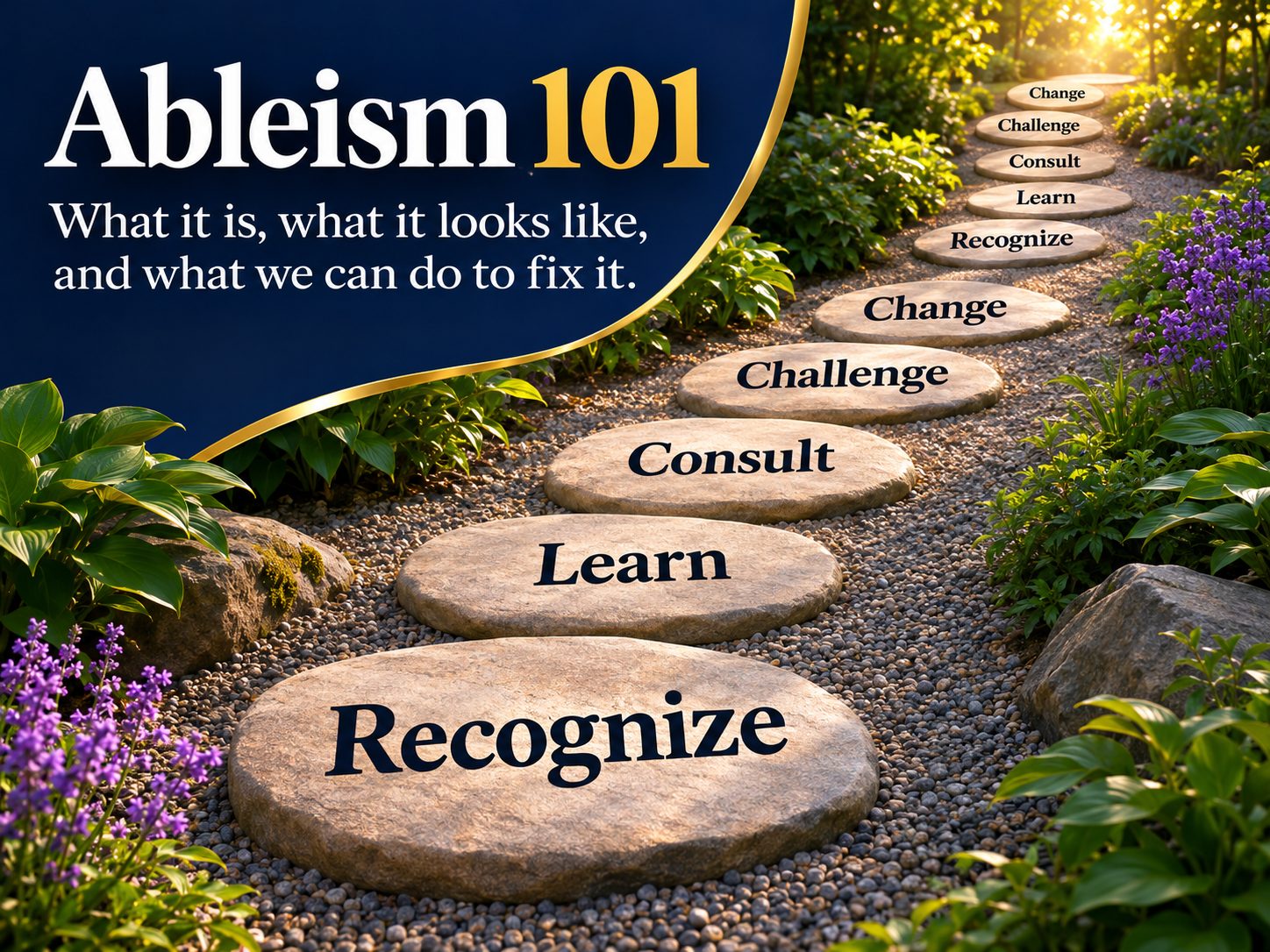
Ableism, as Ashley Eisenmenger of Access Living explains, sorts People with Disabilities into a group seen as lesser and treats a Person with a Disability as someone to fix. It shows up in separate schools, institutions, restraint and seclusion, and buildings and websites with no access, and in everyday slights, from using a mobility device as a footrest to talking down to a person or speaking for them. Pushing back means believing people, listening, keeping invasive questions to ourselves, and making sure People with Disabilities sit where decisions are made. We should start with the next program, service, event, or communication in planning.
Welcome to The Shining Lamp This space is about building community. Imagine a community that fosters a genuine sense of belonging Where a diverse membership is warmly embraced. Where people of different Races, Disabilities, Ages, Genders, and Cultures, otherwise marginalized, participate fully and inclusively in all of their community's activities and events. Where children find the encouragement to explore and grow, and older members share their wisdom and experience. Where each person is valued for who they are and have opportunities to contribute. Where the community exemplifies the…
An estimated 1.6 billion people, about 18 percent of the world’s population, are part of the disability community, and that number grows each year. Yet Jenny Lay-Flurrie, Microsoft’s Chief Accessibility Officer, says only 2 percent of websites worldwide are accessible. As Disability Pride Month came to a close, Tony Maciulis of GZERO Media spoke with her about the barriers People with Disabilities meet at work and at home, and about valuing the diversity of the disability community.
Learn about topics related to People with Disabilities, Accessibility, Anti-Ableism, Removing Barriers, and the Disability Community? Tap the Explore button to discover something new and intriguing with each tap!