
Striving to remove barriers that prevent us from building Vibrant, Diverse, Inclusive, Accessible Communities!
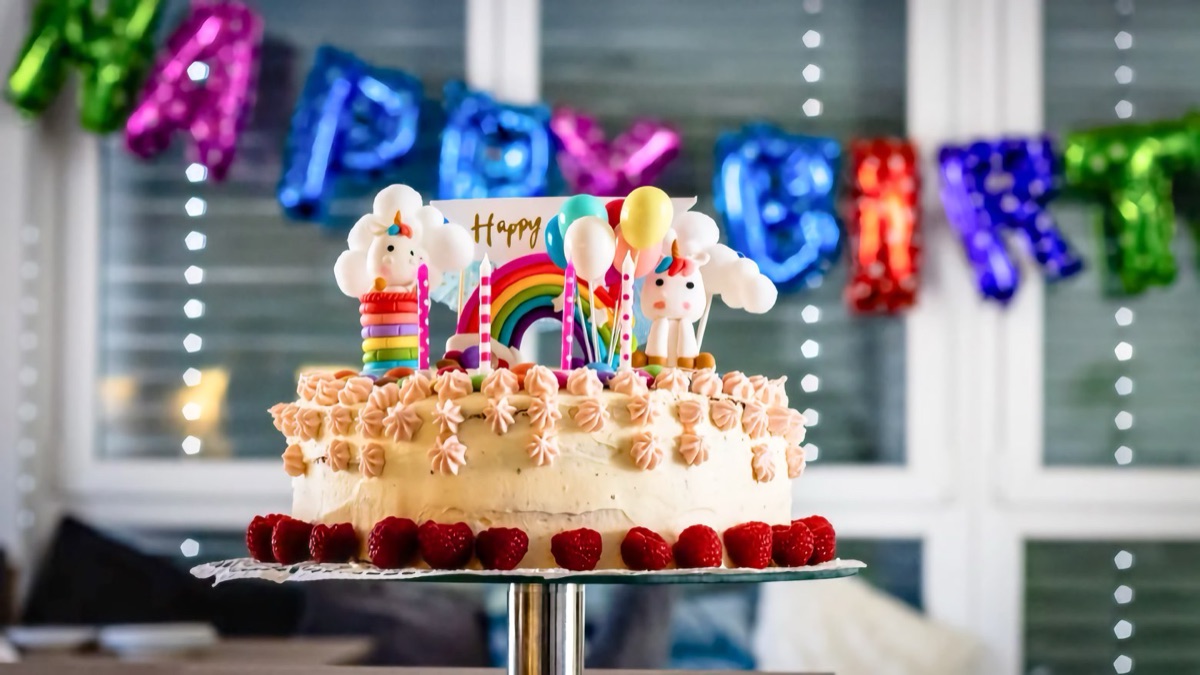
On June 20, 2026, Antonia Sinibaldi marked her 29th birthday with family and friends in a New Jersey restaurant. Her cousin picked the same dessert she did. Hers arrived with “Happy Birthday Wheelchair!” written on it, where her name belonged. Sinibaldi has used a wheelchair since childhood, and she said the message took her by surprise, because she should not be reminded of something she already knows. A birthday is the one day a person expects to be greeted by name, and here a guest was defined by a disability instead of known as herself.
After she reported the message, a manager first offered the group extra drinks and gave no reason the word had reached her plate. The restaurant later explained that staff normally mark tickets with table and seat numbers, and that this time they wrote wheelchair to show where the birthday dessert should go. Someone then read that note as text for the plate itself. The restaurant said no disrespect was intended and agreed the word might land as deeply hurtful. Meaning no harm does not undo the harm. By writing wheelchair on the ticket at all, the kitchen saw her wheelchair and not the guest before any mistake in copying happened.
Sinibaldi has told her own story for years. A car crash when she was two caused her cervical spinal cord injury. She uses a ventilator, and other people give her assistance for eating, drinking, and breathing. Her 2022 guest post on SPINALpedia covered accessibility and described her life as a quadriplegic. A woman who writes publicly about her own disability does not require a dessert plate to name it for her. She wants people to know that her disability should not define every interaction, and she hopes this moment teaches people who spend time with disabled people to leave her disability out of the exchange. Her answer to the restaurant is that she will not go back.
Whoever is known only by a wheelchair is not known at all. The restaurant answered by tightening how it writes tickets and speaks with guests, and its managers tried to phone Sinibaldi with an apology but had not found her when the statement went out. A tighter procedure is a start, but a procedure written without the person it describes will repeat the old habit. Every plan for an event, a meal, or a service either pictures the person who will use it or leaves her out of the room. The friction sits right on the ticket: the room had a system for finding a wheelchair and no habit of recording the name.
Any notation written to find a guest should lead with the guest’s name, with a wheelchair or a seat number beside the name and never in its place. A word like wheelchair, written beside a table and seat number, should never travel onto the plate itself. Putting the name ahead of the wheelchair would set our course for Vibrant, Diverse, Inclusive, Accessible Communities for People with Disabilities.
Put the name on the plate, and nobody is known only by a wheelchair.
Read the Full Article: New Jersey woman in wheelchair celebrates birthday at restaurant. Then the offensive birthday cake arrives: ‘Don’t bring up my disability’.
By: William Kennedy
Also See:
- What is ableism, and what is its impact?
- Horror movies have an ableism problem. Isn’t it time we found new ‘monsters’?
- Ableism 101: What it is, what it looks like, and what we can do to to fix it
- Intersections Between Racism and Ableism
- How to talk about disability sensitively and avoid ableist tropes
- I was nine when I learned what ableism is
- Anti-Ableism Fast Facts - Ways to Combat Ableism:
- Becoming Anti-Ableist: A Disability Justice- Informed Approach to Supporting the Disability Community
- 8 Ways Ableism Shows Up In Religious Spaces
Questions for Reflection
- When we record information to find or serve a guest, such as a seat, a table, or a meal, does the person's name come first?
- Where in our forms, lists, or event notes is a person described by a disability or a device in place of a name?
- After someone told us we had hurt or excluded them, what did we do, and did our response include them in fixing the procedure?
- Which of our procedures were written without the people they describe, and who could we ask to review them with us?
- How do we mark birthdays and other milestones in our community, and does each person feel known as themselves on those days?
