
Striving to remove barriers that prevent us from building Vibrant, Diverse, Inclusive, Accessible Communities!
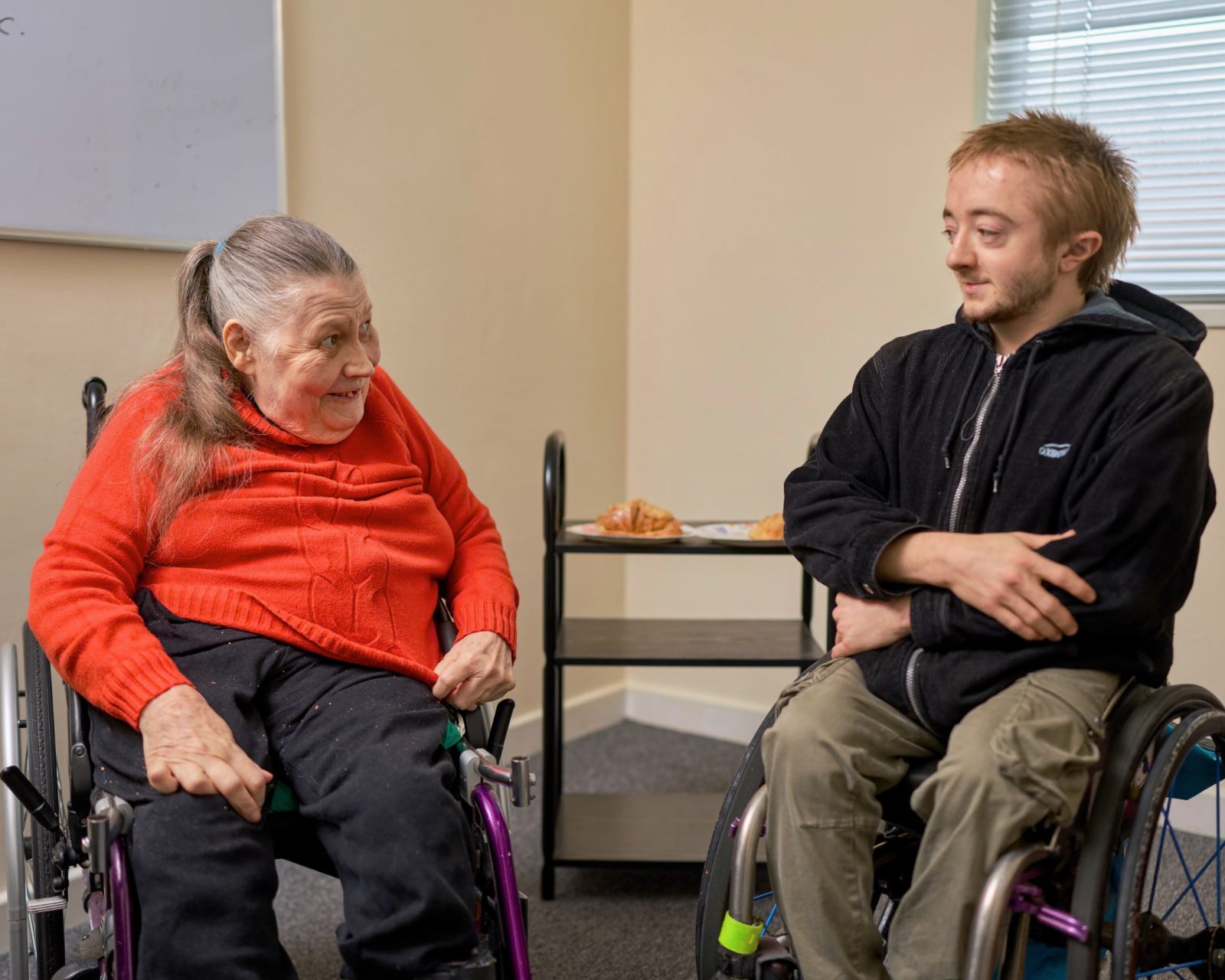
Across generations, the common thread is structural: wheelchair users are still navigating spaces designed without wheelchair users in mind. Alice Moira’s childhood chair was wooden and unpushable, and later wooden push rims left her hands full of splinters; Lochlann O’Higgins still reaches stations with no lift despite modern tools for planning trips. This isn’t about “resilience”; it’s about rights: fix the infrastructure so people aren’t stranded or hurt by designs that exclude People with Disabilities.
Housing multiplies the harm. Moira recalls tenants with disabilities effectively trapped in high rise blocks and how university only worked after she fronted a year of taxi receipts to win a travel grant; O’Higgins had accessible rooms designed for wheelchair users in his first year and then a cramped shared house with steps (a ramp had to be installed), rooms too tight to turn a chair, and a kitchen top too high to use safely. Treating access as a temporary perk rather than a baseline standard forces wheelchair users to “take what you can get,” even when it undermines independence and safety.
Cutting benefits closes doors. Applying for personal independence payments (Pip) already took O’Higgins two years after he learned of eligibility at 17 or 18; proposed cuts threaten mobility, study and sport. Specialist wheelchair sports chairs cost £6,000 to £7,000, so many younger athletes borrow equipment and miss opportunities. Thirty years after the Disability Discrimination Act (DDA), rationing participation is regression; institutions owe tools for living, not red tape that withholds them.
Access exists to unlock belonging. O’Higgins finds a team and a voice in wheelchair rugby and the weightless relief of water, where “you just feel so light”; Moira remembers sisters hauling her chair into the sea so she could float after surgery. That is the point of inclusion, and its benefit reaches well beyond wheelchair users, the essence of The Curb Cut Effect.
Homes near us should give a wheelchair user room to turn, a kitchen counter at a height they can use, and a way in without steps. We should give people the chance to try things, instead of asking a Person with a Disability, “How can you do this?” Sports clubs that lend chairs and welcome new players would move us toward Vibrant, Diverse, Inclusive, Accessible Communities for People with Disabilities.
Community Builders should demand journeys without steps, fund accessible sport, and build homes and public spaces that guarantee everyday freedom and participation.
Read the Full Article: ‘You just feel so light!’: two wheelchair users – one 81, one 25 – on welfare cuts, housing and the joy of swimming.
By: Lucy Knight
Questions for Reflection
- Where in our community would a wheelchair user still reach a station, shop or meeting room with no lift or step free entrance?
- How much housing near us gives a wheelchair user room to turn and a kitchen they can use, and who is building more?
- How long does it take People with Disabilities in our area to receive the benefits they apply for, and what do they lose while waiting?
- Which sports clubs and pools near us welcome wheelchair users, and could they lend equipment to new players?
- When someone asks to try something new, do we offer the chance or ask how a Person with a Disability could do it?
