
Striving to remove barriers that prevent us from building Vibrant, Diverse, Inclusive, Accessible Communities!
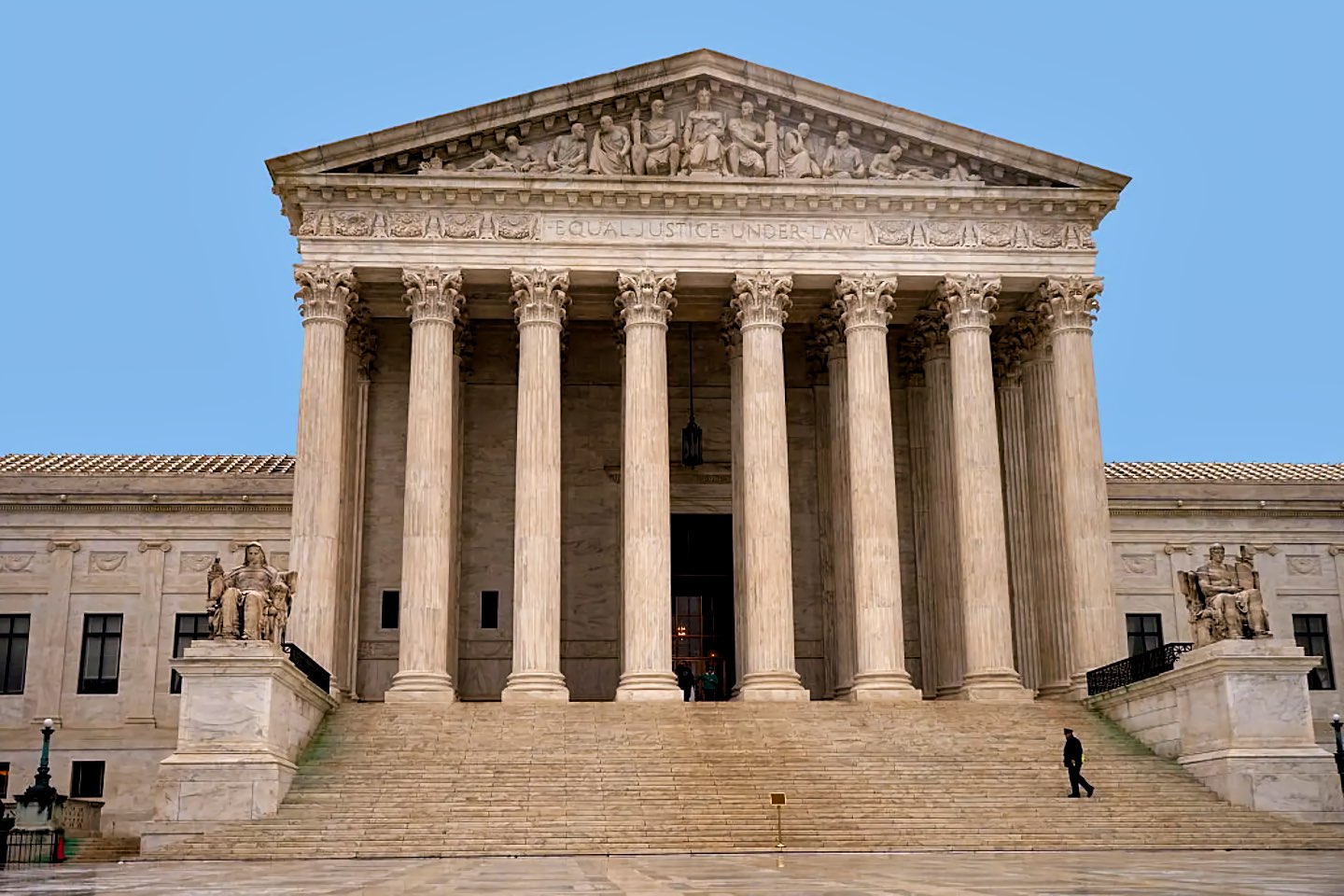
For most of the twentieth century, People with Disabilities in the United States had no path between confinement in overcrowded state institutions and navigating everyday life without any services at all. Decades of organizing by People with Disabilities themselves produced the deinstitutionalization movement and ultimately the Americans with Disabilities Act (ADA), which placed their right to live and participate in community life on firm ground. The 1999 Olmstead v. Lois Curtis decision reinforced that the ADA prohibits forced segregation and requires states to make home and community based services (HCBS) available so People with Disabilities can remain in their communities. That architecture of rights, built across generations, is now being actively dismantled piece by piece.
In the summer of 2026, the U.S. Department of Justice (DOJ) released a memo questioning whether states are actually required to provide services in the most integrated setting possible, directly contradicting what Olmstead v. Lois Curtis settled decades ago. That memo arrived alongside federal Medicaid spending cuts set to reduce billions from HCBS funding, and a separate pause of more than one billion dollars in Medicaid payments to California and Minnesota. Taken together, these moves treat the services that make community participation possible for millions of People with Disabilities as expendable rather than as the civil rights infrastructure the ADA established them to be. The practical outcome, if unchallenged, is a steady march back toward the very institutions the country spent a generation moving away from.
Federal officials have publicly characterized HCBS as unnecessary, suggesting families should simply take over the job that direct support professionals perform without pay, without training, and without regard for whether families are in any position to do so. This framing ignores that many adults with complex needs have parents who are elderly or no longer living, spouses working multiple jobs, and siblings who live hundreds of miles away — and some have no family at all. Direct support professionals are trained to manage individualized care plans, respond to behavioral crises, and coordinate medical needs, and these are not tasks that can be absorbed by relatives who have none of that preparation. Dismissing the workforce that makes community living real for People with Disabilities exposes the gap between what officials claim and what community participation actually requires.
When we cut the services that let People with Disabilities live in their communities, we are not saving money — we are choosing a far more expensive form of exclusion. The numbers from this article make that plain: community based services cost roughly $70,500 per year for a person with an intellectual or developmental disability, while a public institution runs more than $395,000 annually — yet providers are already reducing services and closing as funding is withdrawn. Every time we plan a program, service, or event, we are deciding in practice whether People with Disabilities can actually get there and participate, and that decision depends on HCBS funding remaining intact.
This week, when we put together materials for an event, a service, or a community activity, we can add one concrete question to our planning checklist: does this person rely on a direct support professional to get here, and have we made that possible? We can name in our flyers and handouts the specific access features we have put in place — transportation coordination, personal care access, and advance scheduling — so that what full participation requires is visible, not assumed. Building Vibrant, Diverse, Inclusive, Accessible Communities for People with Disabilities means planning as if HCBS is the floor, not a courtesy.
That discipline — treating access as the starting point rather than a last thought — is exactly what this moment demands of us.
Read the Full Article: The Promise We Made to Americans with Disabilities Is Under Attack.
By: Barbara Merrill and Tony Coelho
