Striving to remove barriers that prevent us from building Vibrant, Diverse, Inclusive, Accessible Communities!
For thirty years an annual summit has promised that Lake Tahoe is worth money, attention, and care, and this opinion piece asks who actually gets to reach the water that promise protects. More than one in four adults in the United States is a Person with a Disability, many of those disabilities are not visible, and every community already includes us. Tahoe still runs on conditions. The beach, the trails, the snow, and the events open only to people who can already get to them, and anyone who asks for access is told the request is a caveat and then asked to justify it. Making a Person with a Disability argue for entry moves the fault onto the person and leaves the barrier standing exactly where it was.
Access is not a ramp, a parking space, and a restroom ticked off a list. The Americans with Disabilities Act affirms rights People with Disabilities already hold, and this piece is clear that the law opens the door rather than finishing the job. Real access comes from planning at the first meeting for cognitive, psychiatric, sensory, communication, physical, and non apparent disabilities. It also means designing for a whole life. Bodies and minds change, any of us can become a Person with a Disability, and the article asks whether the landscapes that formed us will still be reachable when we use a wheelchair, a walker, or a white cane. A region built only for the visitor it pictures today will not hold that same visitor in twenty years.
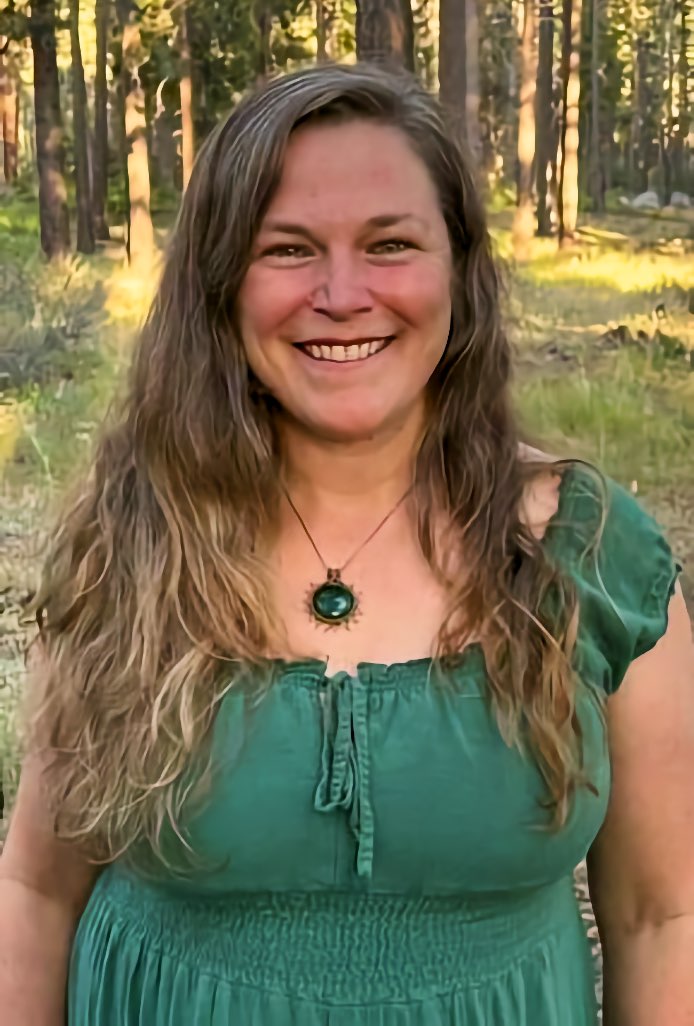
Getting into a place is not the same as being part of it. The piece points to a documentary screened at Tahoe about mental health, addiction, and recovery in a region marketed as escape, and the author writes as a Physical Therapist with a Disability who knows that paradox from the inside. Scenery is not a substitute for human connection. Against that, the familiar answers arrive on cue: capacity is short, money is short, accessibility sits outside the mission. Those are choices, not conditions, and every one of them hands the work back to the People with Disabilities already shut out. Access is not charity granted when it is convenient, and the gap between a welcome that is announced and a welcome People with Disabilities can act on is the real measure of a community.
People protect the places that make room for them. Sustainability work restores forests and guards water, and this piece argues it has to guard the people who love the lake too, because a future nobody can reach preserves only part of what was worth keeping. The article asks that access be built into events, transportation, emergency planning, recreation, and daily community life, and that People with Disabilities hold planning seats, paid consulting roles, and leadership positions while the decisions are still open. Bringing people in after the venue is chosen and the schedule is fixed is an invitation to approve, not to design. Belonging is what turns a visitor into a steward, and belonging starts with being able to get there.
Before the next gathering we plan is locked in, we bring People with Disabilities into the room while the venue, budget, and schedule can still change, and we pay for that time as consultation rather than treat it as a favor. We state the access already in place inside the invitation itself, so nobody has to request it as an exception and then argue for it. Doing that on the very next thing we plan is how our own programs, events, and communications start building Vibrant, Diverse, Inclusive, Accessible Communities.
Make room first, and the people who show up will be the ones who protect the place.
Read the Full Article: A sustainable Tahoe must be an accessible Tahoe | Opinion.
By: Angie Reagan

