
Striving to remove barriers that prevent us from building Vibrant, Diverse, Inclusive, Accessible Communities!
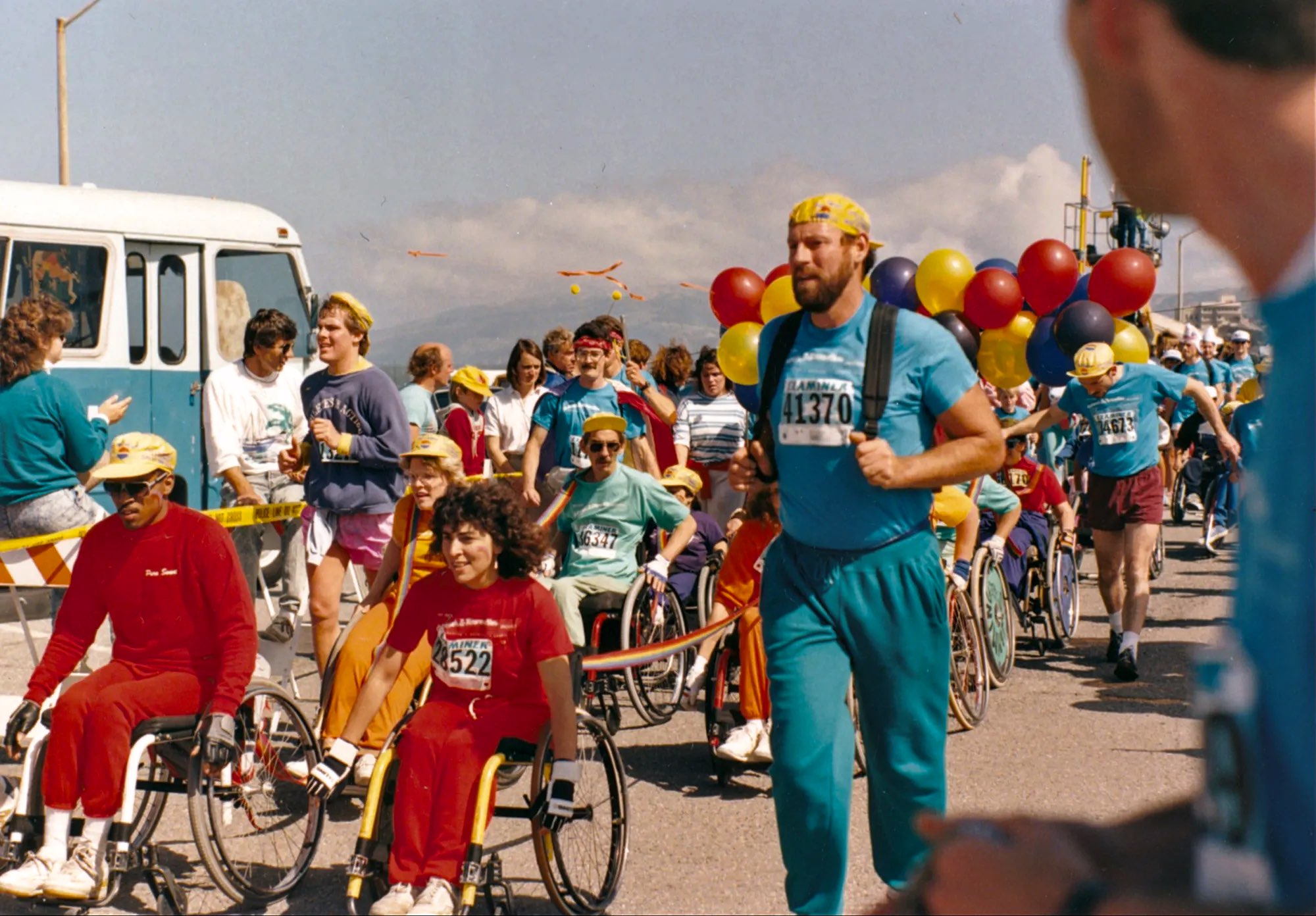
In 1975 a University of California, Berkeley student named Susan Sygall was turned away from a campus swim class because she used a wheelchair. She answered with a paper describing a recreation program run by and for People with Disabilities, carried it to the Berkeley City Council, and walked out with funding. Fifty years later the Bay Area Outreach & Recreation Program (BORP) runs about twenty activities a week at the Ed Roberts Campus and Aquatic Park, from goal ball and hockey to climbing, birding, and kayaking, serving wheelchair users, Blind People, and People with Low Vision. That first refusal still carries the lesson. People with Disabilities were never absent from recreation for lack of interest, they were absent because nobody had done the work of removing barriers.
What makes this program different is who holds the decisions. More than half of the current staff are part of the disability community, and the executive director is direct about it: the organization does not merely allow People with Disabilities to take part, it was created by them. Permission and ownership are not the same thing. The Americans with Disabilities Act of 1990 grew out of Berkeley's own disability rights movement and the activists who founded the Center for Independent Living, the building where this program first sat, and it affirmed rights People with Disabilities already held while opening public life much wider. A right to enter the room is still not authorship of what happens inside it, which is why the founder called it meaningful that the organization is once again led by a woman with a disability, and why leadership by People with Disabilities is the point rather than a pleasant detail.
When the pandemic closed buildings, the program moved strength training, yoga, dance, tai chi, and Pilates online within weeks, and the response showed how much had been sitting out of reach. Attendance quadrupled over the first eighteen months, with more than a thousand people joining from Alaska to Poland. The change went smoothly because staff had already been weighing online classes as a way to remove transportation barriers, which is another way of saying they knew precisely what had been keeping people out. A longtime instructor said the virtual series continues because it works for people who cannot easily leave home. Getting there had rationed recreation for decades, and an accessible online gathering removed that barrier in a matter of weeks.
The people who were kept out are the ones who know where the gate is. Fifty years in, the work is still widening. More than one hundred and fifty outdoor sites have been visited, photographed, and surveyed so a person can plan a trip alone instead of waiting for a group, and barriers that could be removed quickly get passed to the agencies that manage those sites. Outings run for Blind People and People with Low Vision, cycling rides and a ski trip are offered for Spanish speakers, and women's teams have formed, because disability is not one uniform experience. None of that came from good intentions in a planning meeting. It came from People with Disabilities being the ones deciding, which is the practice we admire and then postpone, asking for that expertise once the venue is booked and the schedule is set, at the exact moment nothing we hear can change anything.
Before we announce our next event, we can write down what a person actually needs in order to decide whether they can come: the route, the seating, the restroom, and whether joining from home is an option. That information belongs inside the announcement itself, in the languages our neighbors speak, rather than in an answer we give when someone finally asks. Publishing it is how the programs we plan stop reaching only the people we already reach and start building Vibrant, Diverse, Inclusive, Accessible Communities.
Say plainly where the gate is, and nobody has to guess whether the door was meant for them.
Read the Full Article: Berkeley's trailblazing adaptive sports nonprofit BORP turns 50.
By: Hope Muñoz

