
Striving to remove barriers that prevent us from building Vibrant, Diverse, Inclusive, Accessible Communities!
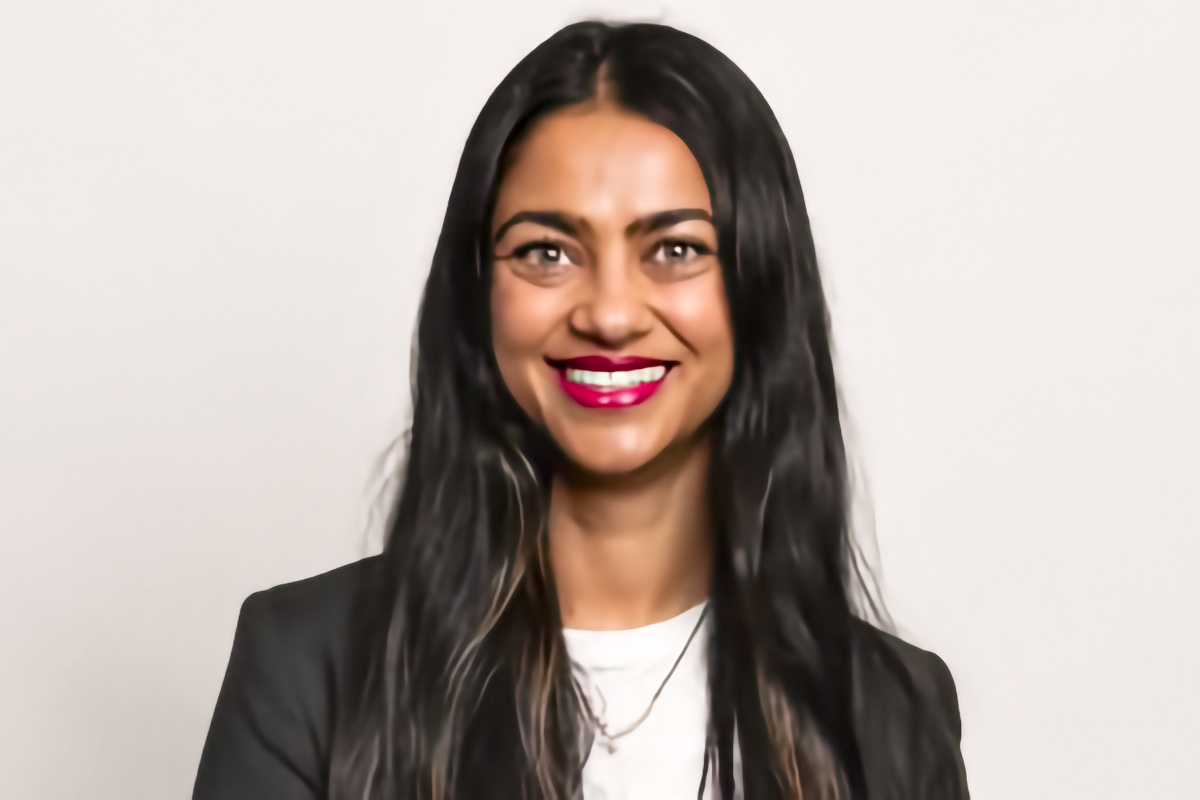
Priya Addams Williams has spent two years leading the Shift 20 Initiative at the Dylan Alcott Foundation, which works for the representation and inclusion of People with Disabilities in advertising and marketing, so the 20 percent of Australians with disabilities can connect with that work and see themselves in it. She writes in AdNews that the role goes back to her childhood in Omaha, Nebraska, where a large, close Indian community surrounded her but the only Indian face on local screens was one news reporter.
Who she did not see in the media shaped what she believed she could become. Film, television and fashion felt like closed doors to people who looked like her, while advertising felt open just enough to push through, and she has since built a career around voices and stories from diverse backgrounds. She says she lived the saying that you cannot be what you cannot see, and that stories about people from diverse backgrounds need those people in the room where the stories are written, which is why Nothing About Us Without Us runs through all of Shift 20’s work.
Good intentions alone, from a team that lacks lived experience, she argues, cannot craft campaigns that resonate with the audiences they aim to reach, so co creation matters. In Heartbreak High, Quinni is Autistic like Chloé Hayden, the actor who plays her, and Hayden and Executive Producer Carly Heaton described representation that ran through the writers’ room and the production teams, not only the cast. When Mattel worked with the Autistic Self Advocacy Network (ASAN) on its first Autistic Barbie in the Fashionistas line, Colin Killick of ASAN said Mattel was committed from day one to a genuine collaboration, and ASAN staff were trusted to give honest input on everything from the doll’s body to her clothes and accessories.
Work about people must be made with them, from the start. Her three tips are practical. A team without diverse members should seek out specialist consultants across First Nations, disability and Culturally and Linguistically Diverse (CALD) backgrounds, or not for profit organizations such as Shift 20, the Unstereotype Alliance and Bus Stop Films. Teams should say clearly that they want honest input, so people do not hold back opinions they have learned to soften, and they should allow time for the process, because a squeezed schedule stops co creation before it starts. The same approach shows in gear built with People with Disabilities and in playgrounds designed with Children with Disabilities.
Event planners and agencies in our community should invite People with Disabilities into the first planning conversation, before the format, venue and budget are set. We should pay for that expertise as we pay for any other and build the time the work takes into the schedule. Projects shaped by the people they depict would move us toward Vibrant, Diverse, Inclusive, Accessible Communities for People with Disabilities.
Invite people in early, and the story becomes theirs as well as ours.
Read the Full Article: Changing Perspectives: Why a room full of well-intentioned people with no lived experience isn't enough.
By: Priya Addams Williams
Questions for Reflection
- Who is missing from the room when our community plans its events, services and messages?
- How could we invite People with Disabilities into a project before the format, venue and budget are set?
- What would it look like for us to pay for lived experience the way we pay for other expertise?
- Have we ever asked for input and then left no time to act on it?
- Which images and stories in our area leave out People with Disabilities, and who could work with us to change them?

Also See:
- Outdoor Gear Built With People with Disabilities, Not For Them
- 4 Black Disability Creators and Influencers to Know
- Why ITV's 'unmissable' 6-part series is the authentic representation we need
- Kids with disabilities are helping design inclusive playgrounds
- New Disability Lived Experience Group gives people across Mid and East Antrim a direct voice in council decisions
- How the Being Heumann Crew Built a Set for Its Disabled Cast on the Fly
- Nothing About Us Without Us -- Mantra for a Movement...
- Fifty Years of Removing Barriers to Recreation for People with Disabilities
- Being Heumann Review: Siân Heder's Drama About the Fight for Disability Rights Strikes Familiar Notes