
Striving to remove barriers that prevent us from building Vibrant, Diverse, Inclusive, Accessible Communities!
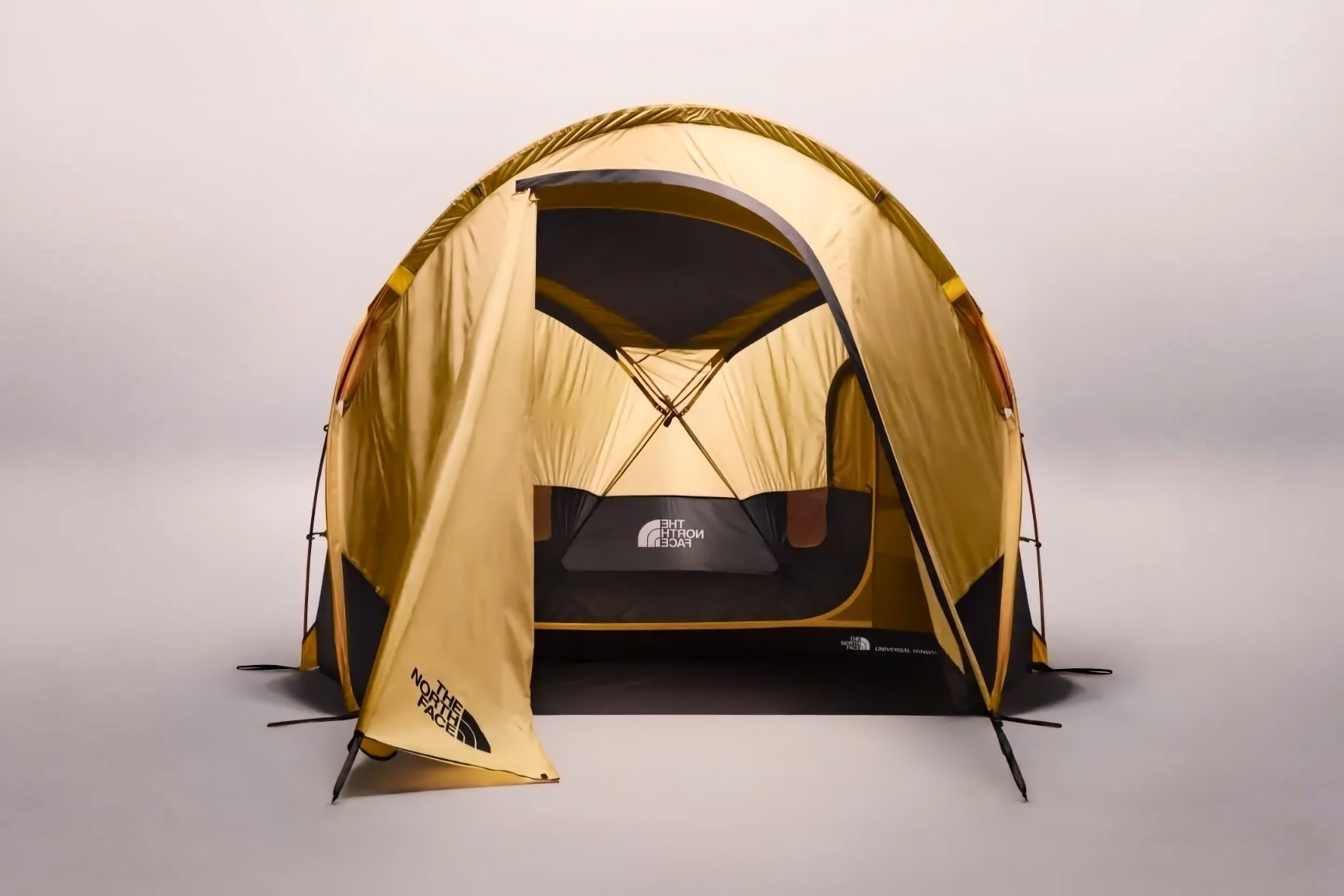
Outdoor recreation should be open to People with Disabilities, yet the gear that makes adventure possible was never designed with their bodies in mind. Before a single trail begins, wheelchair users and others with disabilities have to weigh questions that few other campers ever consider: Can I get inside the tent on my own? Will this backpack damage my wheelchair? And if a piece fails in the field, is there any backup plan? The Centers for Disease Control and Prevention (CDC) reports that disability touches over a quarter of adults in the United States, yet People with Disabilities join in outdoor recreation less often than people who are not disabled. The barriers to equitable participation in the outdoors do not start at the trailhead; they begin with the equipment itself, well before a trip ever starts.
The outdoor gear industry has long treated accessibility as an afterthought, a feature added only after a product is finished rather than a principle built in from the first design decision. The North Face Universal Collection directly confronts that pattern. Adaptive athletes Vasu Sojitra and Maureen Beck collaborated on the collection, and adaptive athlete Kai Daniels gave detailed feedback that shaped the gear. The lineup includes a daypack with magnetic closures and tactile cues, an accessible tent, a sleeping bag with no zipper, camp slippers that swap out, and a sun hat that converts. This is what inclusive design looks like in practice: not a retrofit added for a niche market, but gear created by accounting for a wider variety of human experience from the beginning.
People with Disabilities who spend time outdoors have long carried a hidden labor that others never see. Gear that was not built for their bodies forced them to anticipate every failure point: bringing a tarp to shield a wheelchair at the tent door, watching a backpack wear holes where it rubbed against the wheels, or depending on others to manage tasks they wanted to do themselves. Adaptive athlete Kai Daniels described planning each outing around how to make inadequate gear function, and enduring inaccessible processes simply to hold on to his independence. By cutting friction and sparing People with Disabilities the workarounds that gear like this once demanded, the collection means they no longer have to treat preparation as an exercise in barrier management, so the work of adapting falls on the product, not the person. That shift is not a favor; it is what design produces when lived experience leads the process instead of being consulted at the end.
People with Disabilities are the world's largest minority, and the global community of People with Disabilities numbers more than 1.3 billion, yet they remain among the least visible groups in outdoor and adventure marketing. Research from the Geena Davis Institute finds disability to be one of the identities least often represented in advertising and media. Adaptive athletes turn up in the occasional campaign, but appearing in an advertisement almost never leads to a real seat at the table where products are designed. What this collection shows is that genuine inclusion means People with Disabilities help shape the decisions themselves, rather than being recognized only after the fact. Community Builders committed to Vibrant, Diverse, Inclusive, Accessible Communities cannot treat that participation as a generous gesture; it is a responsibility each of us owns personally and carries out together, at every stage of planning and design, without exception.
Read the Full Article: The North Face's Universal Collection Is Redesigning Who The Outdoors Is For.
By: Keely Cat-Wells
