
Striving to remove barriers that prevent us from building Vibrant, Diverse, Inclusive, Accessible Communities!
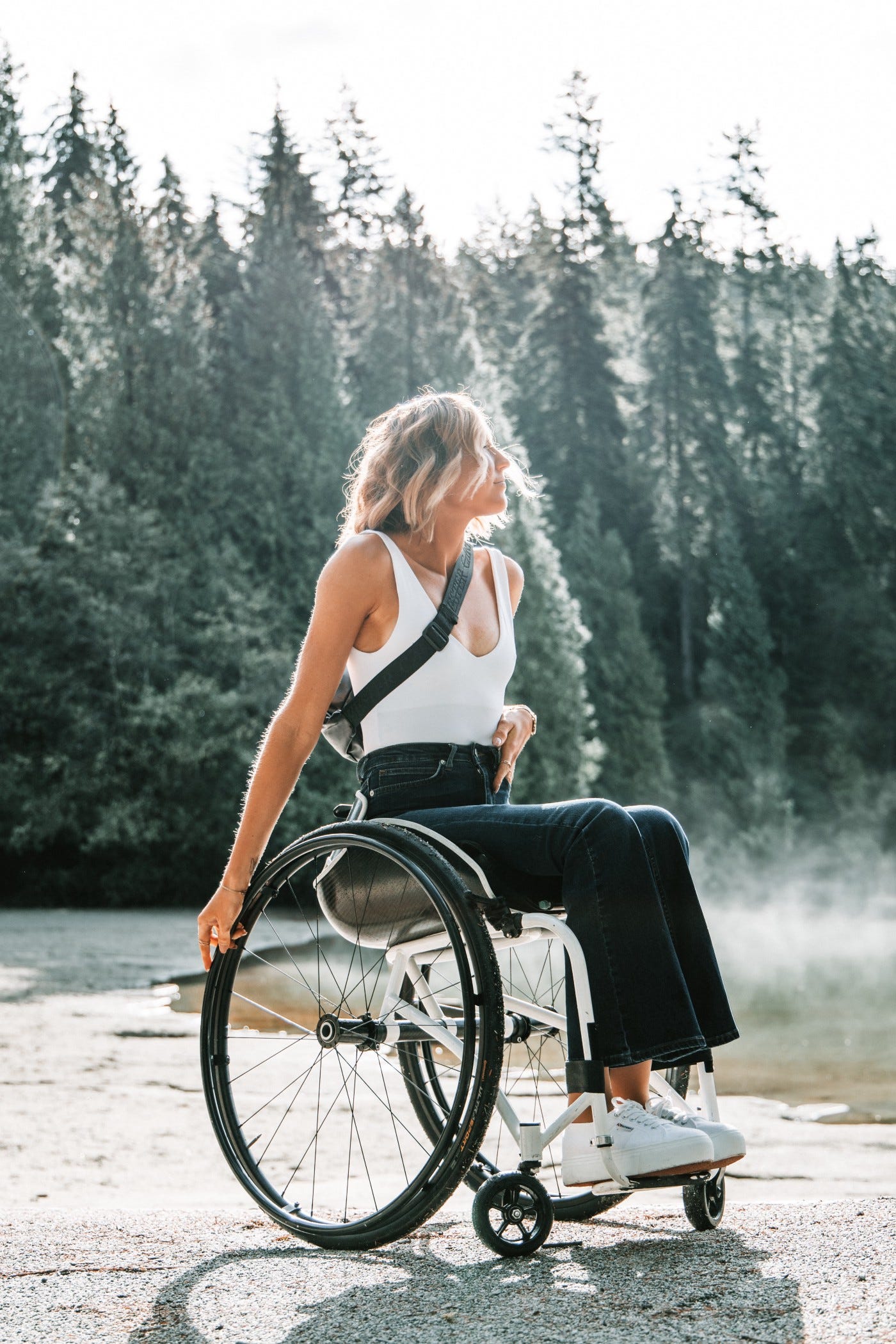
Dr. Patricia Farrell writes in BeingWell, on Medium, that people with physical disabilities are in plain sight, yet communities fail to plan for them or for what they can contribute. Not every disabled person uses a wheelchair or a lift; many pass others on the street with a disability no one sees, being Deaf, Blind or having Low Vision. People who use wheelchairs, scooters or braces are hard to miss, she adds, and still they are ignored.
She asks readers to picture having to ring a bell and wait for someone to open the door of a local community center, in winter, in rain or in wind, with no one coming. Then picture getting into the restroom only to meet a privacy panel in the way, or being trapped in the accessible stall and calling out with no answer. A member of a local committee set up to respond to the disabled residents of the town went through both.
The committee dismissed both. Someone would come to open the outer door, members said, so there was no reason for an automatic door with a large push plate; the panel in the restroom was needed, and someone did come after the person called out. They did not see how demeaning either situation was, even though the committee existed to advocate for disabled people.
A door that opens only when someone hears a bell is a door that keeps people out. Farrell writes that nondisabled people fail to see the many barriers between a disabled person and a restaurant, a bus, a theater or an athletic event, and that disabled people are left out of too many designs for buildings, transportation, communication and event planning. Fixing that starts with the details she names: an automatic door with a push plate, a restroom without a panel in the way, and a way to signal for assistance other than shouting. That is the everyday work of removing barriers.
We should install automatic doors with push plates instead of making disabled people ring a bell and wait. We should give every accessible restroom a way to call for assistance other than shouting. Committees that act when a disabled member names a barrier would move us toward Vibrant, Diverse, Inclusive, Accessible Communities for People with Disabilities.
Respect begins when a community plans for disabled people before they arrive.
Read the Full Article: When Do the Disabled Get the Respect and Services They Deserve?.
By: Dr. Patricia Farrell
Questions for Reflection
- Can a wheelchair user enter our community center and its restroom without waiting for someone?
- Is there a way to call for assistance in our accessible restrooms besides shouting?
- When a disabled member of our committee names a barrier, do we act on it or explain it away?
- Which disabilities in our community go unseen, and how do we plan for them?
- Where do our building, transit or event plans still leave disabled people out?
