
Striving to remove barriers that prevent us from building Vibrant, Diverse, Inclusive, Accessible Communities!
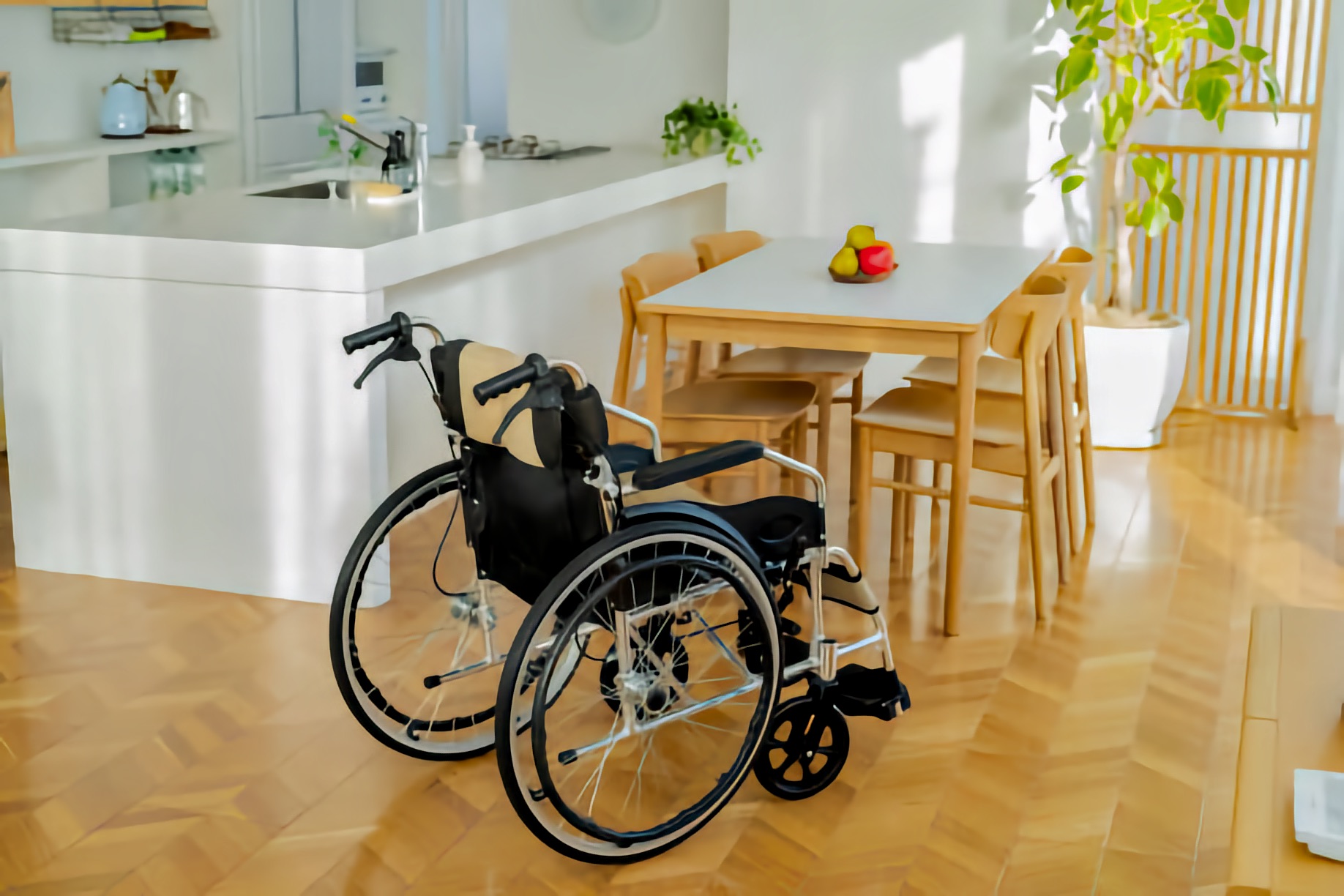
Micaela Connery’s first cousin, Kelsey, had multiple significant disabilities. She used 24 hour care, communicated in modified sign language and used a wheelchair. In this Brief But Spectacular segment for PBS News, Connery says that when Kelsey met barriers and a lack of opportunity, the cause was almost never Kelsey. It was the way places, spaces and experiences had been designed without her in mind. Connery saw that nearly every system fell short of including people like Kelsey.
The hardest barrier came in adulthood, with housing. When Kelsey was in her twenties, her two sisters had left home, and she said plainly that she wanted a place of her own as well. There were no options for her. Connery first assumed Kelsey’s situation was unusual, then learned that People with Disabilities in every community had few or no choices for housing. For generations, housing for People with Disabilities meant institutions and facilities, where services and daily life were decided for every resident alike, with little choice or control. That is the opposite of inclusive design.
So Connery cofounded The Kelsey, named for her cousin, which builds and advocates for housing that is affordable, accessible and inclusive. It also works upstream, changing the systems, resources and policies so communities like these can be built everywhere and not only by The Kelsey. Before designing, the organization asked people what housing they would create if they could. They asked for affordability, accessibility and inclusion, for community and connection, and for choice and control. The Kelsey decided to design from the ground up around those answers, in the spirit of nothing about us without us, instead of tinkering with decades of institutions.
A home of one’s own is a matter of choice and control. Kelsey died about a month after the first round of funding came through for the organization that bears her name. Connery says it is hard to do the work without her, yet powerful to know that so much of Kelsey’s identity and outlook lives on in it. The work is led by people with and without disabilities together, a form of advocacy that builds the homes it argues for.
We should ask People with Disabilities what kind of home and neighborhood they want, and design around their answers. We should press for affordable, accessible and inclusive housing in our own towns, so People with Disabilities can live where and with whom they choose. Neighborhoods where people with and without disabilities live side by side, with choice and control, would move us toward Vibrant, Diverse, Inclusive, Accessible Communities for People with Disabilities.
Every Adult with a Disability who wants a home of their own should be able to find one.
Read the Full Article: A Brief But Spectacular take on building inclusive communities.
By: Brief But Spectacular, PBS News
Questions for Reflection
- Kelsey wanted to move out on her own and found no options. Where in our community could an Adult with a Disability find a home of their own?
- Does the housing in our town give People with Disabilities choice and control over their daily lives?
- Have we asked People with Disabilities what kind of home and neighborhood they want?
- Which barriers in our local housing come from design that never considered People with Disabilities?
- Who in our community could join with Neighbors with Disabilities to press for inclusive housing?

Also See:
- What It’s Like to Have Down Syndrome as an Adult
- You just feel so light!: two wheelchair users – one 81, one 25 – on welfare cuts, housing and the joy of swimming
- Inclusive Design
- What is Inclusive Design?
- The Heart of Authenticity: Why Disability Pride Month matters beyond July in mid-Michigan
- What does an accessible Halloween look like in Nova Scotia?
- Nothing About Us Without Us -- Mantra for a Movement...