
Striving to remove barriers that prevent us from building Vibrant, Diverse, Inclusive, Accessible Communities!
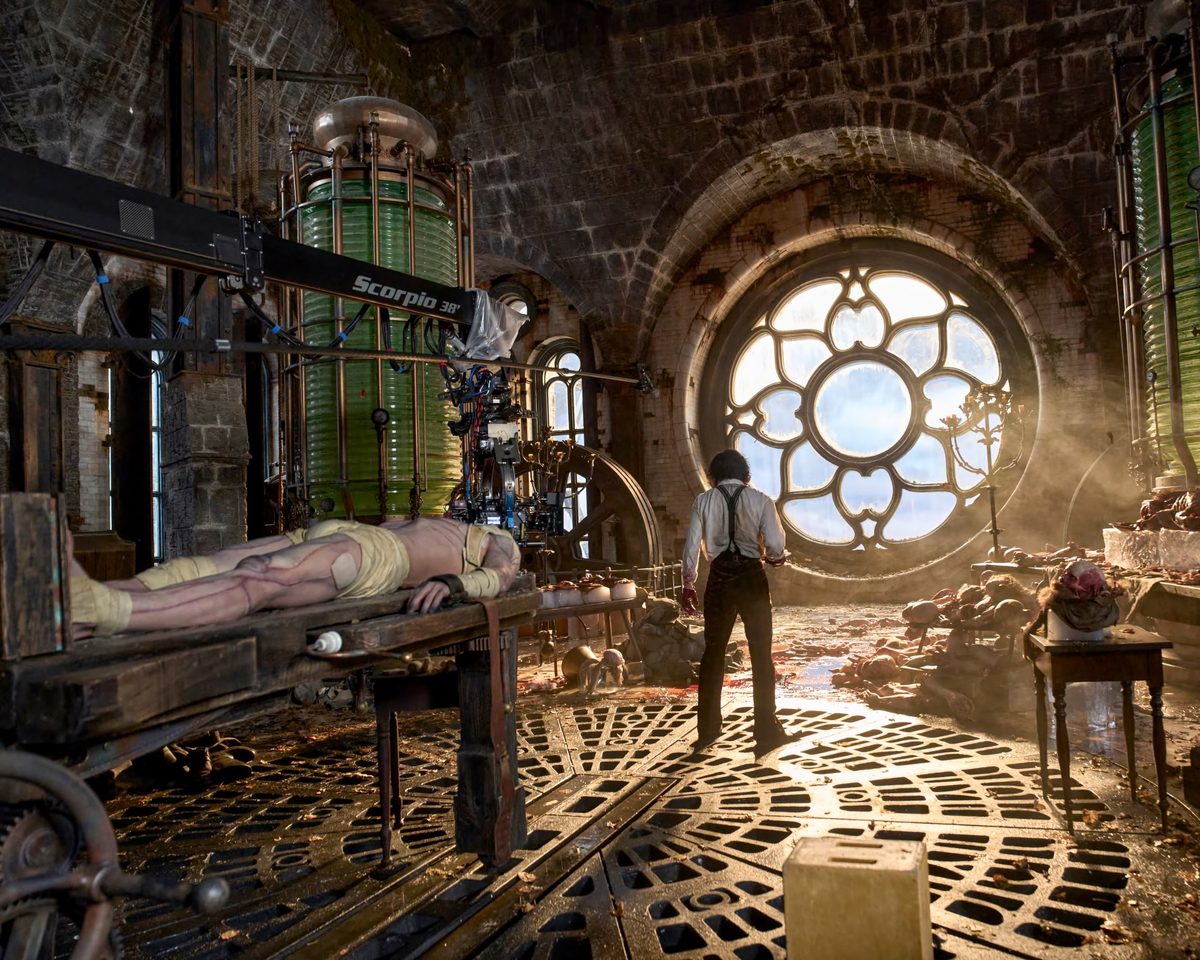
Kathryn Bromwich loves horror, has a disability, and has learned to brace for the moment a film tells her that a scarred or missing body signals a rotten soul. Guillermo del Toro's Frankenstein drew a standing ovation that lasted fifteen minutes in Venice, and its story is widely read as a story about disability. Yet every performer in the cast is nondisabled, including the one who plays a creature the film keeps calling deformed. As Victor Frankenstein sinks morally, the film gives him a prosthetic leg, a scarred face, and amputations of his fingers, a change from the original novel. The film that argues against fearing difference still tells viewers to read disability as a sign of moral decay.
The habit is old and wide. For decades, villains have worn facial scarring, wheelchairs, and limb differences, and the story logic says those bodies made them bitter, jealous, and cruel. Neurodivergence and mental illness get tied to violence in the same way. Filmmakers are warier of naming a disabled villain now, and the British Film Institute (BFI) has refused funding to movies featuring villains with facial scarring, yet the prejudice has gone quieter. Recent horror builds its menace around a character who does not look quite right, using prosthetics to stretch faces and bodies, and a makeup designer on Nosferatu said "arthritic" was a word his team considered for the vampire's hands. Self mutilation that leaves a character disabled keeps turning up as a plot device, and one film presents disability as karmic punishment. Celebrated art films do it too, and in them a disabled actor is dropped into a pivotal scene to deepen the unease, even in films Bromwich loves, which leaves her feeling shut out of them.
Horror has no use for any of this. Bromwich calls it exhausting to never see herself on screen unless she is used like a creaking door, a cue that makes everyone else uneasy. Plenty of frightening films never treat people who look different as the threat, among them The Haunting, The Vanishing, Get Out, Saint Maud, and Sinners. In Bring Her Back, Sora Wong plays Piper, and casting a performer who has limited vision gives the role depth and richness. Piper is funny, smart, and a little mean, her disability is never used to create dread, and when other characters treat her with ableism, the audience stays with her. These films grasp that enough horror already exists in the world without punching down.
Fear belongs to what people do, never to how a person looks. Bromwich backs her case with numbers. Disabled people hold just 2% of the film and television workforce, against more than 20% in every other industry. Just three disabled actors have ever won an Oscar, while 25 nondisabled actors won theirs for playing disabled roles, and a single director who has a physical disability has been nominated. So disabled people mostly see themselves through other people's eyes, and the stereotypes repeat. Her answer is disabled people writing, directing, and acting in their own stories, in line with the long standing disability rights call to include us in every decision about us. The position we hold is that disabled people should speak for themselves on screen, and that we should ask them where the barriers are. Yet most screens still keep disabled people on the outside, waiting to learn whether they will be cast as the monster.
Whenever a story about disability reaches our audience, we should check whether we are showing disabled people through others' eyes. We should hand the story to a disabled writer, director, actor, or creative, and write any disabled character as funny, smart, and never there to unsettle the audience. Stories told by disabled people themselves would bring into being Vibrant, Diverse, Inclusive, Accessible Communities for People with Disabilities.
Giving disabled creatives the pen would keep fear on what people do, which is where it belongs.
Read the Full Article: Horror movies have an ableism problem. Isn’t it time we found new ‘monsters’?.
By: Kathryn Bromwich
Also See:
- What is ableism, and what is its impact?
- Ableism 101: What it is, what it looks like, and what we can do to to fix it
- Intersections Between Racism and Ableism
- How to talk about disability sensitively and avoid ableist tropes
- I was nine when I learned what ableism is
- Anti-Ableism Fast Facts - Ways to Combat Ableism:
- Becoming Anti-Ableist: A Disability Justice- Informed Approach to Supporting the Disability Community
- 8 Ways Ableism Shows Up In Religious Spaces
- Inclusion Is Not Something You Earn
