
Striving to remove barriers that prevent us from building Vibrant, Diverse, Inclusive, Accessible Communities!
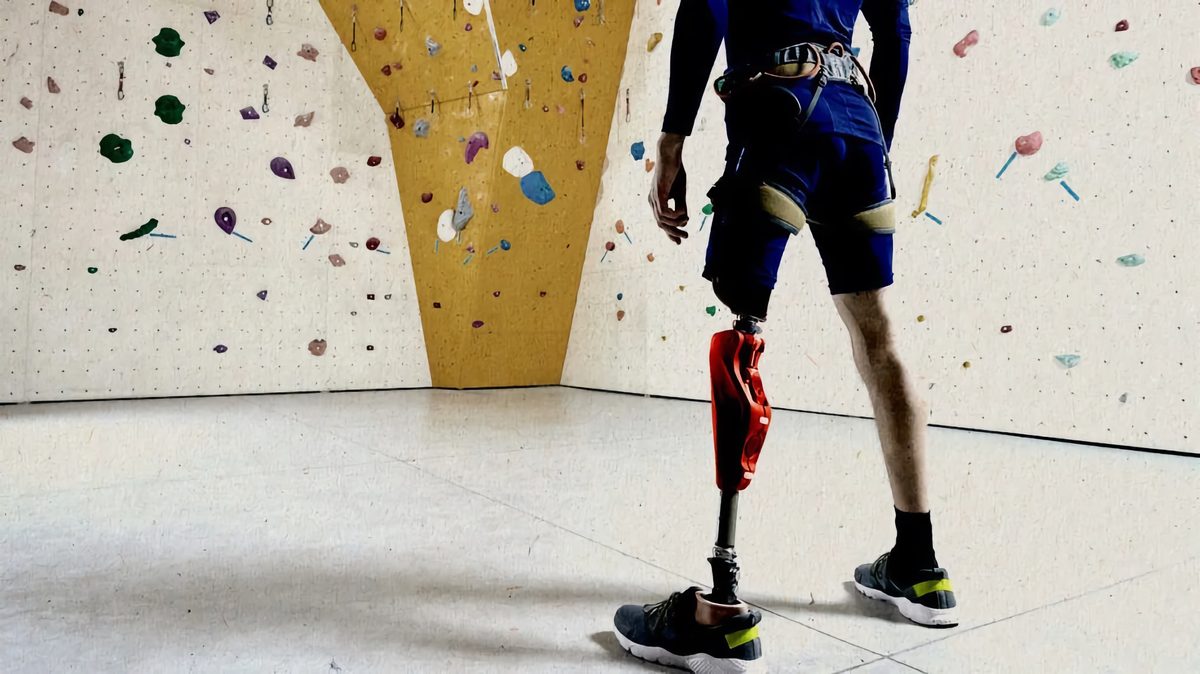
Ableism is prejudice that rates People with Disabilities as worth less than nondisabled people, and it is far from rare. In the United States, nearly one in five people has a disability, and across the world People with Disabilities make up the largest marginalized group, roughly 15% of the world's people. Even so, ableism is among the most common prejudices. It frames a nondisabled life as the ideal and a disabled life as a flaw, and it reaches anyone others see as disabled, and caregivers feel it too. Nobody is born with it. People learn it from others, often without knowing, and a bias a person cannot see in themselves is called implicit bias. In one earlier study, 76% of the people surveyed leaned toward people without disabilities, including survey takers with disabilities. Of all the biases tested, only ageism ranked above it.
Ableism hinges on how a community defines disability. Two models of disability explain it differently: the medical model sees disability as a medical matter inside the person, while the social model says disability depends on context, so autism can be disabling in a world built for one way of thinking and not where neurodiversity is valued. Ableism works at three levels. At the institutional level, medicine and health policy treat disability as something that must be fixed. At the interpersonal level, a parent may try to cure a child's disability instead of accepting it. At the internal level, a person believes the harmful messages about disability and turns them on themselves, even feeling that access is a privilege instead of a right. It also takes three forms. The hostile form is open aggression, including violence, abuse, and bullying. The benevolent form casts disabled people as weak and waiting to be rescued. The ambivalent form mixes the two. Everyday examples include asking what is wrong with someone, telling a person they don't look disabled, as if it were praise, and praising a person for doing something typical, like having a career.
Ableism does real damage in health care. Some doctors assume a disability means a life of lesser quality, a view that rests on the belief that a good life belongs only to nondisabled people. That bias leads medical professionals to wave off what their patients live through, pin new symptoms on the disability, or pull back care because they think nothing will work. It puts care out of reach and contributes to illness and deaths that never had to happen. Ableism also puts nondisabled health and independence first. During the coronavirus disease 2019 (COVID-19) pandemic, people who refused masks knowingly put older adults and anyone who has a chronic illness at higher risk, and People with Disabilities then spent long stretches indoors, postponed appointments, lost access to caregivers, and were left off vaccination priority lists. Restraint is still used in education and health care settings, most often on people who have neurological or developmental disabilities and on children, and dozens of people died from it during the 1990s and 2000s. The history of eugenics, the belief in erasing "undesirable" traits through selective breeding, shaped mass sterilization programs, a few lasting into this century, and some now argue that genetic testing and editing can revive it.
Working against ableism starts with admitting that it exists, that it hurts people, and that people without disabilities gain from it, which the article calls privilege. People without disabilities rarely think about access or fear ableist treatment, and others tend to respect them and move them into positions of power. The article's list of ways to begin includes learning about disability and the history of the disability rights movement, hearing People with Disabilities describe their own experiences, setting myths straight and stopping bullying as it happens, passing the mic, and pushing for access and representation. Ableism also touches everyone, because anyone can acquire a physical or mental difference, and it harms society too, by putting transport, school, and the internet out of reach, raising unemployment, deepening poverty, and causing unnecessary institutionalization. We cannot remove what we have decided not to see. Our own work asks the same of us, and this article shows how plans leave People with Disabilities out when they are not in the room.
The mic at our programs and events is ours to pass, and we should pass it to People with Disabilities and stay quiet so they speak for themselves. Those of us who are nondisabled should spend our privilege on setting a myth straight or stopping bullying the moment it appears. Planning with the mic in their hands would turn our work toward Vibrant, Diverse, Inclusive, Accessible Communities for People with Disabilities.
Looking straight at what we have called normal is where removing it begins.
Read the Full Article: What is ableism, and what is its impact?.
By: Zawn Villines
“If any discrimination is at all to be tolerated,” Shoghi Effendi has stated, “it should be a discrimination not against, but rather in favour of the minority, be it racial or otherwise.” - Universal House of Justice letter, 27 December, 2017.
Question: Are Ableist Practices the default in your community? If so, why is that and what should you be doing about it?
Also See:
- Horror movies have an ableism problem. Isn’t it time we found new ‘monsters’?
- Ableism 101: What it is, what it looks like, and what we can do to to fix it
- Intersections Between Racism and Ableism
- How to talk about disability sensitively and avoid ableist tropes
- I was nine when I learned what ableism is
- Anti-Ableism Fast Facts - Ways to Combat Ableism:
- Becoming Anti-Ableist: A Disability Justice- Informed Approach to Supporting the Disability Community
- 8 Ways Ableism Shows Up In Religious Spaces
- Inclusion Is Not Something You Earn
Questions for Reflection
- Which of the forms of ableism the article names, hostile, benevolent, or a mix of both, show up in how our community speaks to or about People with Disabilities, and what examples can we point to?
- When someone at our gatherings asks a person what is wrong with them, or tells them they don't look disabled, who steps in, and what do we say?
- Who holds the mic at our programs and events, and how many of the people who spoke in the last year were People with Disabilities?
- What do we know about the history of the disability rights movement, and how could we learn it from People with Disabilities themselves?
- Which of our plans were made without People with Disabilities in the room, and what did those plans leave out as a result?
- What evidence would show us that access in our community is treated as a right and never as a privilege?
