
Striving to remove barriers that prevent us from building Vibrant, Diverse, Inclusive, Accessible Communities!
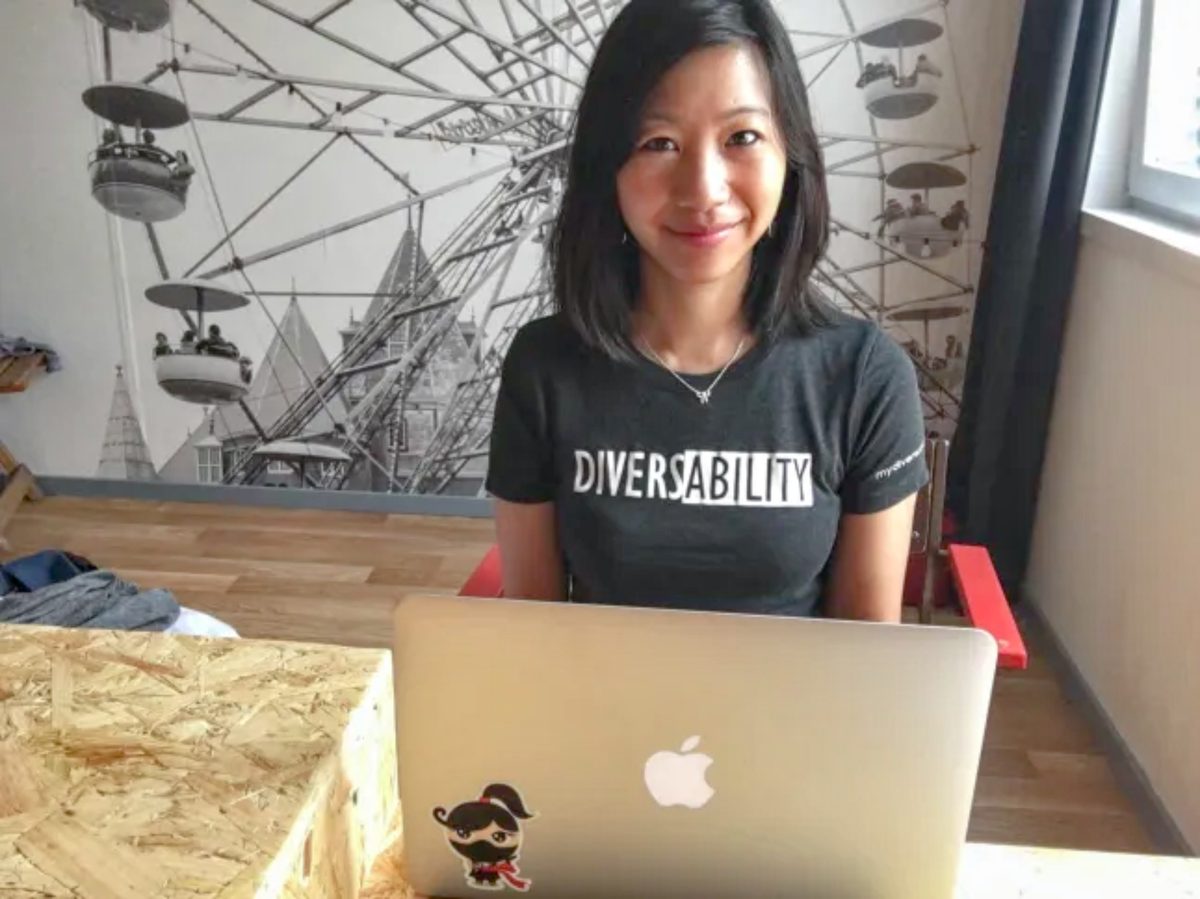
Tiffany Yu was nine years old on November 29, 1997, when a car crash on a highway took her father's life and changed hers. She spent months in a wheelchair and four months in rehabilitation, practicing walking again and managing daily tasks with her other hand, and she came away with a permanently paralyzed arm along with post traumatic stress disorder. Her return to elementary school showed her what she did not yet have a word for. She had taken ballet and diving lessons and had climbed rock walls at birthday parties, yet now classmates chose her last for teams. Yu took in the idea that she was worth less, and it stayed with her for years. No community saw her as whole, no role model looked like her, and nobody talked about mental health at home or at school, so she spent years hiding her disability instead of embracing it.
The exclusion followed Yu into adulthood and showed up in small moments. In her investment banking career she offered her left hand at networking events, and people hesitated, then pulled away. Strangers asked what was wrong with her wrist splint, and people she dated said they were not comfortable with a disabled partner. Hauling groceries, opening cans, and using a covered dumpster each carried barriers she had to get past. When friends invited her to a pottery class, the studio was unsure it could fit her, so she stayed home rather than make the moment awkward. Over time these moments left her feeling that she belonged nowhere, and the cause was how society saw her, never who she was.
Ableism also reached Yu through what she saw and heard around her. Growing up, she seldom met disabled people on television or in magazines, and when she did they were shown as objects of pity, as villains, or as figures meant to lift the spirits of others. Strangers who meant well assumed little of her and praised her as though just being disabled took extraordinary strength. Both habits turn People with Disabilities into a story for other people to react to, and they leave a disabled child with no one on the screen or in the room who looks like her.
Nobody should have to shrink to fit a world that was built without them in mind. Yu saw that she had two choices, to shrink herself or to work for a world with a place for her, and more than a decade after she became disabled she chose to advocate. She founded Diversability, which began in 2009 as a student club at Georgetown University after she was told a disability community was too radical. It is now a global community built on storytelling, leadership development, and disability pride, and its work has been shared in Davos. She notes that the United States now has 35 years of Americans with Disabilities Act history and the United Kingdom has 15 years of the Equality Act, says much work remains, and holds that People with Disabilities have always belonged in the room. Our own work asks us to plan with People with Disabilities from the start, and Yu's story shows the friction, because she met school, networking events, and a pottery class that nobody planned with her in mind.
If a studio would be unsure it could fit a guest, that guest should never be the one who stays home to spare everyone an awkward moment. We should settle that doubt before the invitation goes out, and we should plan any team activity so that nobody waits to be picked. Planning that way would lay the groundwork for Vibrant, Diverse, Inclusive, Accessible Communities for People with Disabilities, where no one would have to shrink to fit in.
A plan with room for each person from the start is how nobody would have to shrink.
Read the Full Article: I was nine when I learned what ableism is.
By: Tiffany Yu
Also See:
- What is ableism, and what is its impact?
- Horror movies have an ableism problem. Isn’t it time we found new ‘monsters’?
- Ableism 101: What it is, what it looks like, and what we can do to to fix it
- Intersections Between Racism and Ableism
- How to talk about disability sensitively and avoid ableist tropes
- Anti-Ableism Fast Facts - Ways to Combat Ableism:
- Becoming Anti-Ableist: A Disability Justice- Informed Approach to Supporting the Disability Community
- 8 Ways Ableism Shows Up In Religious Spaces
- Inclusion Is Not Something You Earn
Questions for Reflection
- When our activities split people into teams or groups, how do we make sure nobody waits to be picked?
- Has a guest ever stayed home because a venue was unsure it could fit them, and what would we do differently now?
- Which role models with disabilities do the children and youth in our community see in our programs and materials?
- Where do we praise People with Disabilities for simply living their lives, and how could we welcome them as participants instead?
- Which groups led by People with Disabilities, like Diversability, work near us, and how could we learn from them?
- How would we know that People with Disabilities in our community feel they belong in the room?
