Explore More Compelling Insights:
Learn about topics related to People with Disabilities, Accessibility, Anti-Ableism, Removing Barriers, and the Disability Community? Tap the Explore button to discover something new and intriguing with each tap!
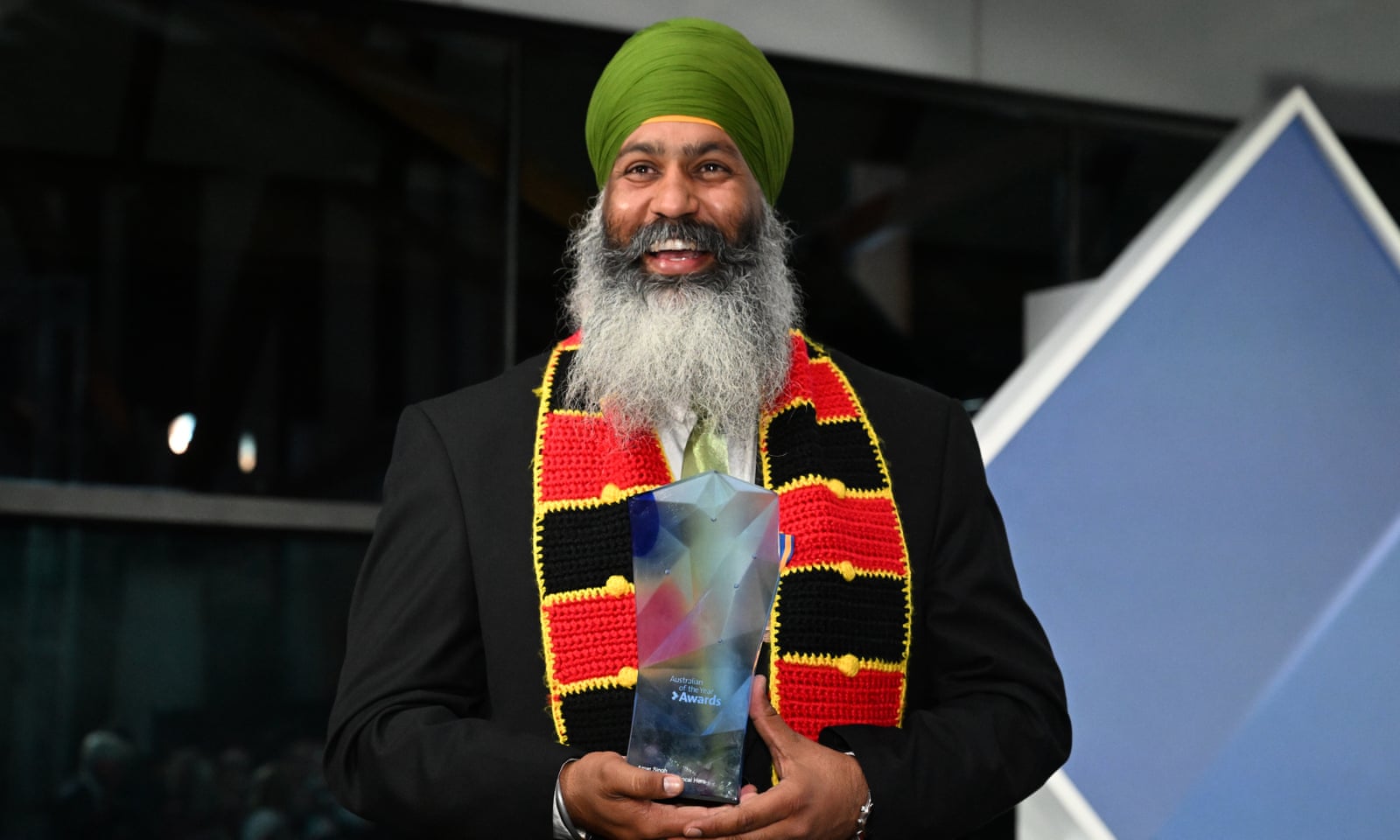
In a world brimming with diverse cultures and identities, the simple act of saying someone's name correctly can be a profound gesture of respect and inclusivity. Picture this: a child's excitement on the first day of school, proudly sharing how one teacher took the time to learn the pronunciation of their name, contrasting sharply with the indifference of others. It's a scenario that resonates deeply in a society where multiculturalism is celebrated but often misunderstood.
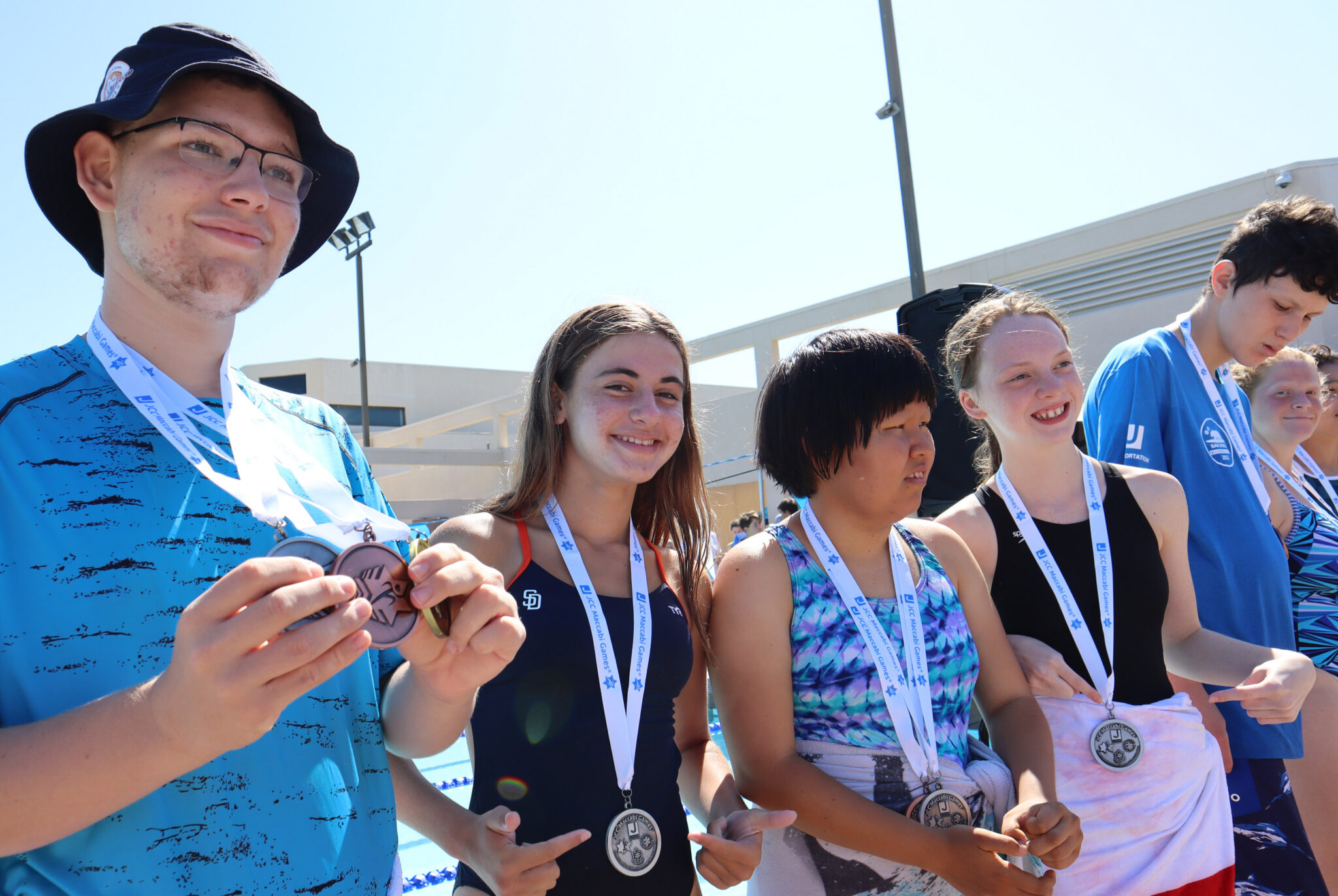
The article insists the Jewish community cannot treat disability inclusion as “nice to have,” because excluding People with Disabilities and their families weakens Jewish communal life and blocks full participation. It points to a documented participation gap—People with Disabilities and their families show up at far lower rates in Jewish communal life than in secular counterparts—showing that stated values without barrier-removal still leave people out, and that Removing Barriers must be the standard, not a slogan. A central harm the article names is the mismatch between what Jewish…

Editor's Note: Under Title II of the ADA, Section 504 of the Rehabilitation Act, and Colorado’s HB18-1104, parents and prospective parents with disabilities have the right not to be discriminated against in any child welfare, adoption, foster care, guardianship, or family law proceeding. Disability alone cannot be a basis to deny or restrict custody, parenting time, or placement - U.S. Dept. of Justice Also See: https://nfb.org/our-community/blind-parents After welcoming their first baby together, Blind couple Hareem and Jonesti were met with judgment—“people say it’s wrong”—and criticism…

In early December, coinciding with the International Day of Persons with Disabilities, more than 300 Chief Executive Officers (CEOs) and executive suite (C-suite) leaders from over 25 countries convened in Tokyo for SYNC25, described as “the world’s first accountability summit” focused specifically on disability inclusion in business. The article reports a deliberate shift away from broad pledges and toward measurable action, with commitments put to the test. Problems identified include inaccessible hiring processes, slow and bureaucratic workplace adjustments, lack of reliable disability…
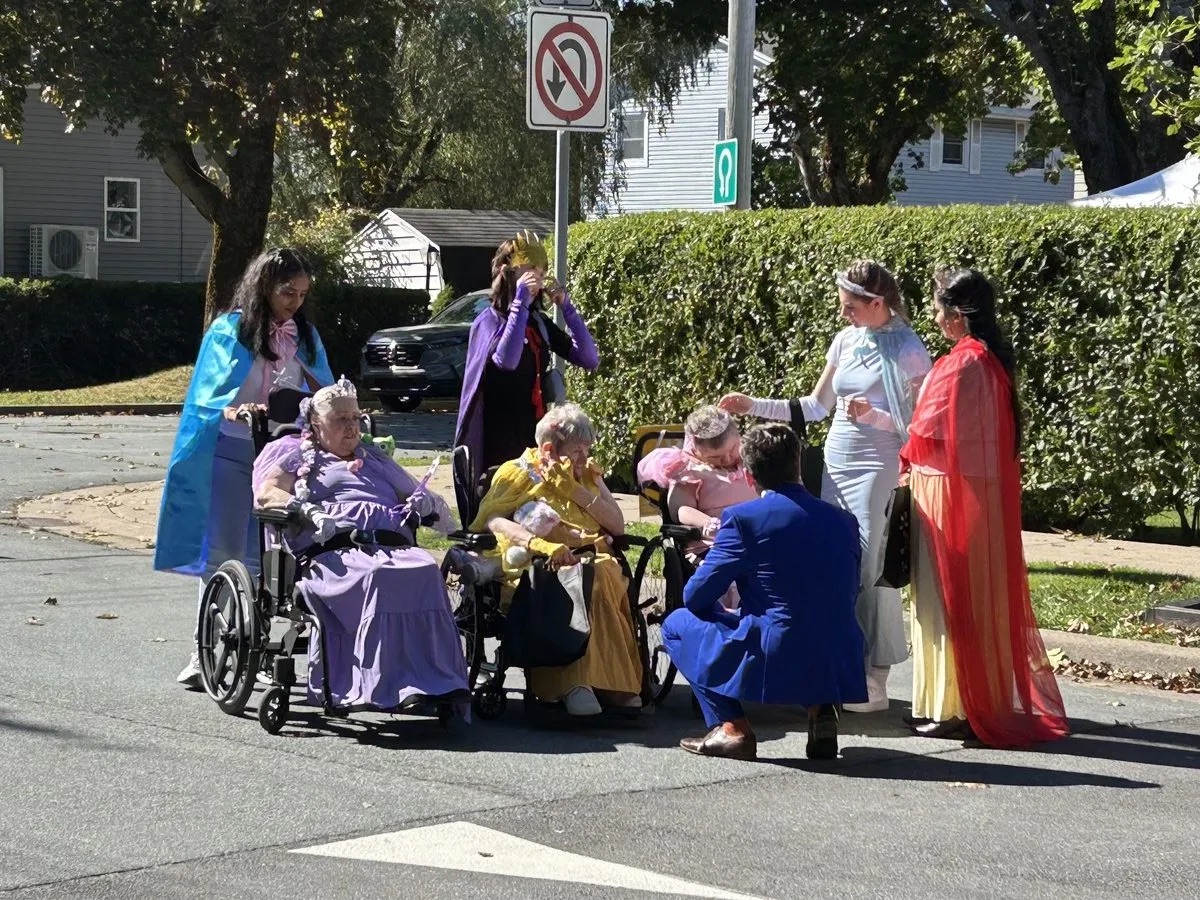
Halloween leaves out Children with Disabilities when the holiday is planned without them. After his six year old daughter wondered how a boy using a wheelchair could go trick or treating at the house, Rich Padulo put a sign on his lawn, and seven other families came. That sign became Treat Accessibly, and 300,000 homes across Canada are now part of it. Steps, blocked driveways, noise, strobing lights, and jump scare displays keep children out, but a treat station at the edge of the lawn, stickers beside the candy, scarier decorations set back, and a greeting that expects no spoken reply remove those barriers. In Dartmouth, street leader Calum Sencabaugh shows neighbours how, and we can plan our own gatherings so no child is left out.

Science centers and museums have largely started setting out items a visitor who is Blind can handle, and Tactile Images asks the obvious next question: what is there to touch at the local aquarium, where the whole exhibit is built on looking through glass? At the ECHO Leahy Center for Lake Champlain the company's answer is a lake sturgeon built at full size, 53 inches long and raised clear of the scene behind it, with braille text and labeled buttons beside its tactile displays so a Blind reader opens each subject directly rather than receiving it secondhand, while more than 285 million Blind People and People with Low Vision still meet collections arranged for the eye alone. The same question falls on every slide deck, display board, chart and handout Community Builders design and present, because Community Builders carry the work of removing barriers as a shared responsibility, owned personally by each of us and enacted collectively through decisions made in consultation with People with Disabilities, so ask the Blind People in your community what belongs on the table before you build the next presentation, and let them answer in their own words.

The Interaction Design Foundation describes inclusive design as making products and experiences that the greatest number of people can use, reaching past accessibility to people’s different backgrounds and experiences. It covers Microsoft’s three principles, seven more from four accessibility experts, examples from Google, Microsoft and Apple, and five practices built on the Web Content Accessibility Guidelines (WCAG) and testing with users. Design shaped this way would make room for Vibrant, Diverse, Inclusive, Accessible Communities for People with Disabilities.

Responsive Design fits a page's layout to the screen in use, and publications, communications, and digital content should use it to ensure accessibility on small screens, since 16 percent of adults in the United States reach the internet by smartphone with no broadband at home. A smartphone first design puts the most important content at the top, uses real text and buttons large enough for a fingertip, and keeps every part of the desktop computer layout on the smartphone, where hidden content is lost to screen readers and may be missed by search. The Web Content Accessibility Guidelines (WCAG) 2.2 require text that can double in size and content that rearranges into one column when a reader enlarges the page. A Portable Document Format (PDF) file locks content into a fixed print page, so content for smartphones, magnification, and screen readers belongs on a responsive web page, as the design failures of print and online PDFs show. Content that rearranges to fit a smartphone screen would make room for Vibrant, Diverse, Inclusive, Accessible Communities for People with Disabilities.

Adults who have Down syndrome were “not really given a chance.” Before the 1980s, an overwhelming majority were institutionalized in the United States. The article also cites the “old thought” that a person with Down syndrome won’t be able to get a job or live independently. Many adults now work, attend school, and live at home, directly countering those low expectations. Housing and daily life align with access and available options. Some adults take public transit or drive; others access staffed settings or coaching. Many organizations assist with appropriate living arrangements, from…
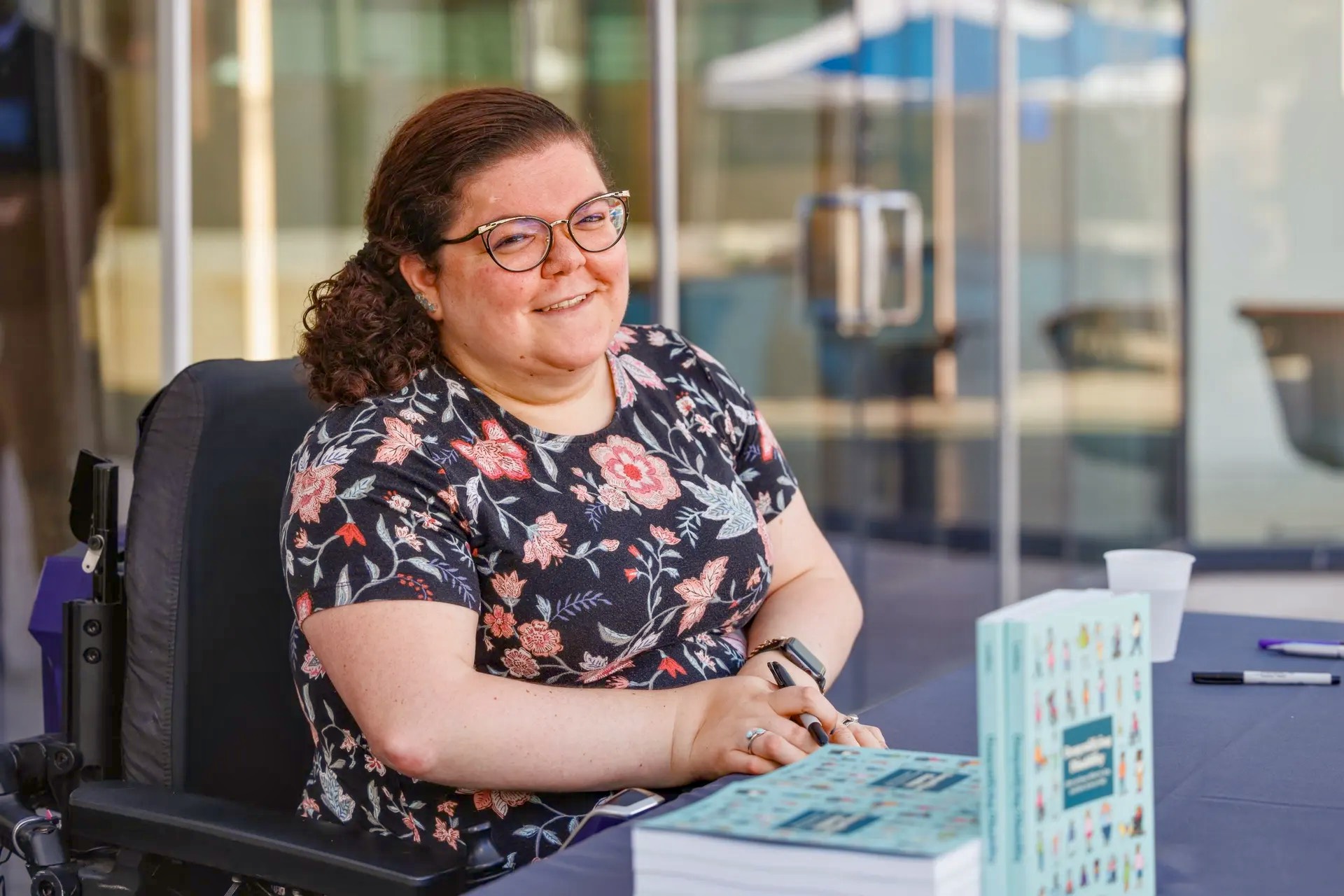
Emily Ladau's Demystifying Disability returns in a revised edition from Penguin Random House in October, with a new preface, fuller history and etiquette chapters, updated figures, and a discussion guide, because the stakes for People with Disabilities have grown sharper. Federal rules under the Rehabilitation Act's Section 504 have lost their community integration provisions in Texas, and Ladau reads that as the federal government backing away from the right of People with Disabilities to live in their communities instead of in institutions. In 2023, People with Disabilities in America earned a median under 70 percent of what People without Disabilities earned, a gap tied to hiring bias, inaccessible workplaces, and punishing benefit rules. She tells nervous employers that People with Disabilities already work with them, and she invites us to become better allies by acting, stumbling, and trying again.

Nearly 300 NPR readers answered one question for Disability Pride Month: what should other people understand about life with a disability? They said disability can arrive at any time, that it varies from person to person and from day to day, and that the way to learn what a Person with a Disability can do is to ask.
By Christine Emba Explore limitarianism, which challenges unlimited wealth accumulation in society by advocating for upper limits on personal wealth to promote societal equity and overall well-being. Drawing on philosopher Ingrid Robeyns's insights, it prompts a reassessment of beliefs regarding wealth and human value, envisioning a global shift away from extreme affluence. Though not explicitly referencing Baha'i Teachings, limitarianism aligns with the Baha'i principle of eliminating the extremes of poverty and wealth to ensure universal access to basic necessities and dignified living. By…
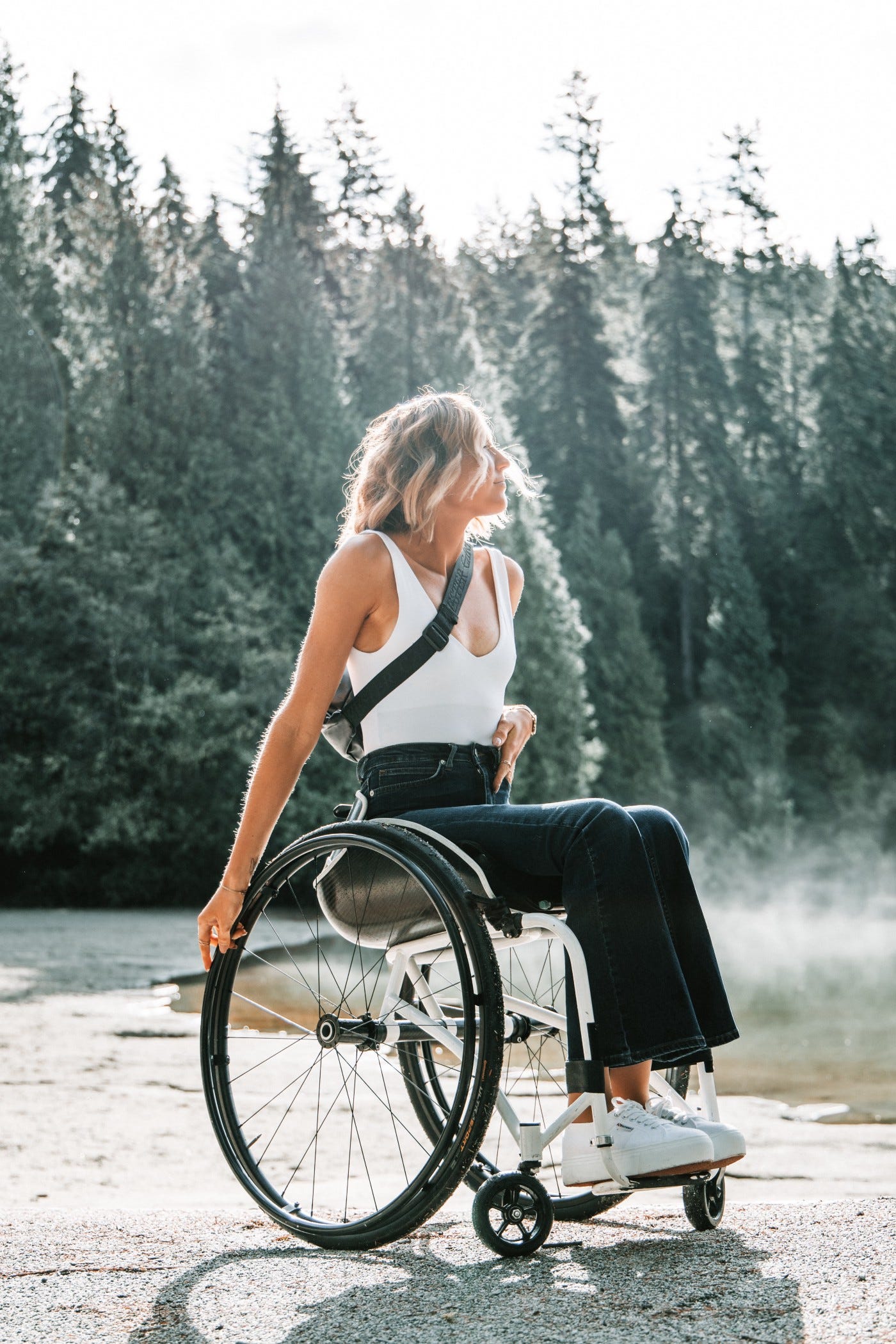
Dr. Patricia Farrell describes a disabled committee member who had to ring for a door and was trapped in a restroom stall, and how the committee waved it off, a sign that communities still leave People with Disabilities out of their plans.
By Lizz Schumer When You Don’t Look Sick People with invisible disabilities and chronic illnesses number in the millions, but they’re often alone with their struggles. Here’s why they deserve attention and respect—and how to give it. Invisible disabilities or non-apparent disabilities refer to a broad range of chronic illnesses and conditions that may not be immediately visible to others, such as deafness, autism, traumatic brain injury, fibromyalgia, Crohn's disease, diabetes, migraines, and dyslexia. These conditions can be challenging for people to live with, and they often struggle to get…
Artificial intelligence (AI) technology has dramatically compressed the time to publish web content, but every page that ships without accessibility built in adds to the exclusion that People with Disabilities already face, and data from an AudioEye examination of more than 15,000 websites shows the average page carries 297 accessibility barriers even at organizations actively investing in accessibility. More than half of organizational leaders claim to champion accessibility, yet the experiences they publish continue to exclude People with Disabilities because accessibility is treated as something to address after launch, after campaign, after complaint — a pattern AI has amplified rather than created. Applying to accessibility the same continuous operational discipline that drives search engine optimization (SEO), performance and brand safety, combining automated scanning with human expertise given that automated tools capture no more than roughly two thirds of all barriers, has driven 61% of committed organizations to report a measurable competitive advantage and enabled digital experiences that serve People with Disabilities equitably.

Each October 15, White Cane Awareness Day celebrates the right of Blind People to travel freely and independently with the white cane, and asks the public to respect the cane and the people who travel with it.

Public spaces did not always welcome the white cane, so Blind People worked for decades to win equal access and independent travel, from advocates in the 1930s to a yearly observance approved by Congress in 1964. Today the day celebrates what Blind People do, teaches communities, and reminds the public that being blind is not being helpless. Anyone who wants to offer a hand should ask first, let the traveler say what works, and let the cane do its job unless danger is immediate.

Marc Maurer traces how the white cane became the symbol of independence for Blind people, from the 1963 call by the National Federation of the Blind and the first presidential proclamation in 1964 to White Cane Laws in every state, and why the cane means freedom, not a reason for praise.

San Francisco has long had a reputation as the hub of U.S. innovation, yet too many People with Disabilities still struggle gaining access to one of the most basic requirements of daily life: safe, dependable transit. While San Francisco’s public transportation systems have made progress, the sad reality is that they remain inconsistent and inaccessible for far too many residents. With nearly one in eight San Franciscans reporting a disability of some kind according to the most recent U.S. Census data, it’s past time the technological innovations that are born in this city actually serve a…
Learn about topics related to People with Disabilities, Accessibility, Anti-Ableism, Removing Barriers, and the Disability Community? Tap the Explore button to discover something new and intriguing with each tap!