




Explore More Compelling Insights:
Learn about topics related to People with Disabilities, Accessibility, Anti-Ableism, Removing Barriers, and the Disability Community? Tap the Explore button to discover something new and intriguing with each tap!
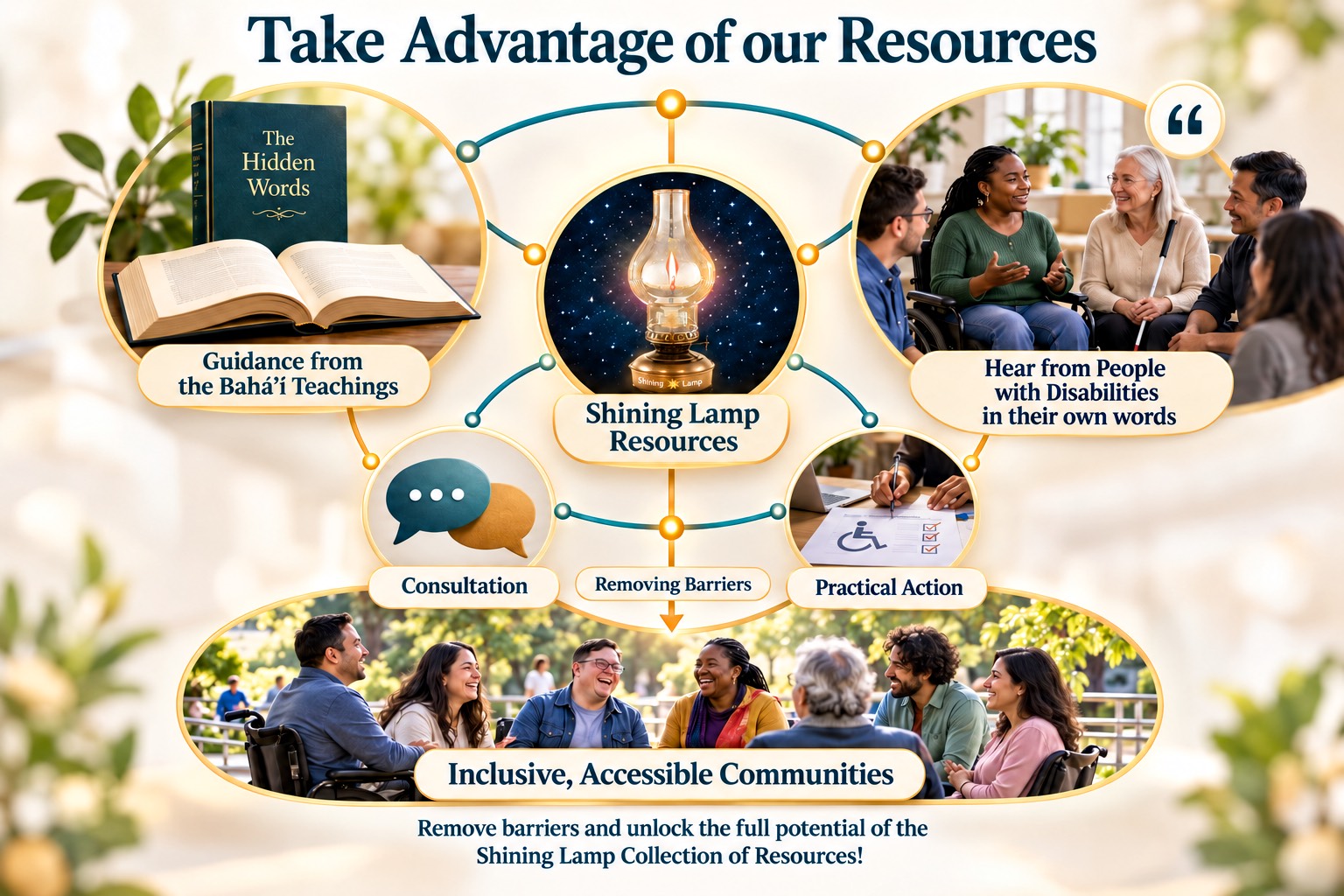
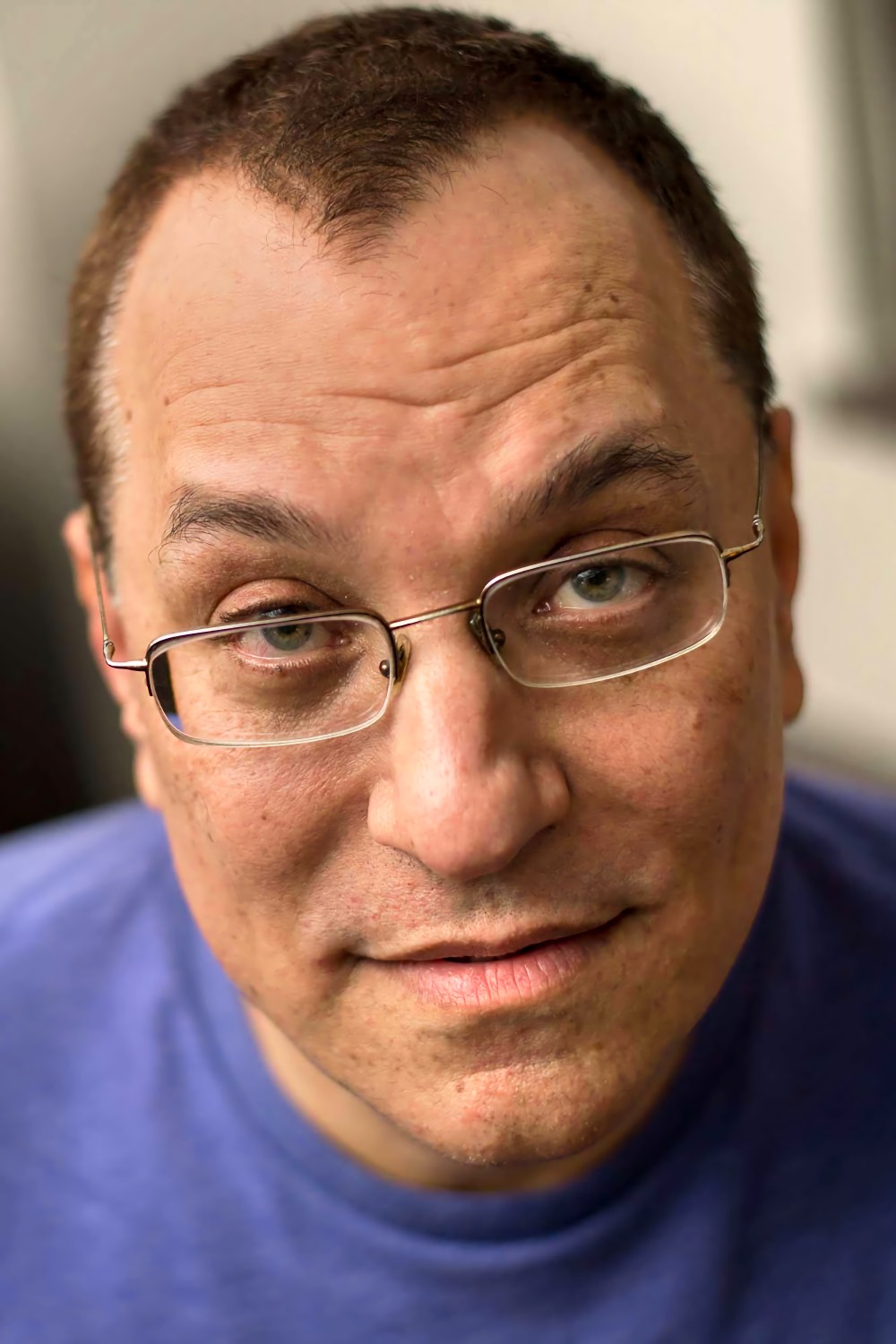
Kenny Fries argues that disability is the one marginalized status any person can enter in a single instant and that every person will enter sooner or later, yet literature almost never treats it that way, and his own work demonstrates what that refusal costs: Japanese gardens read as a model of life in a mortal world, and the theory of natural selection reread through the variation and adaptations disability supplies. During the pandemic the access practices People with Disabilities had long used became standard for the general population and then vanished once the pandemic was pronounced over, while eugenics returned in medical triage and lives were sorted as less worthy, a record now compounded by mockery and untrue claims about disability coming from the highest offices. Writers with Disabilities counter those received ideas, and Community Builders share the obligation to remove what stands in the way and to start by hearing People with Disabilities describe their own lives.
ITV’s Fresh Cuts returns with six new unscripted programs tied to Black History Month and UK Disability History Month, framed by the author’s reflection on why authentic on-screen representation matters. The strand centers POC- and DDN-led creatives and aims to remove barriers through commissioning and visibility, an ethos in step with this practical guide for content creators to start making accessible content. The line-up spans conversation, comedy, culture and community: unfiltered talk in In Convo; fast-paced sketches in Say Less!; a candid look at Black African and Caribbean British…
Disbelief is a barrier exactly the way a staircase is a barrier, and it keeps People with Disabilities standing at the networking event rather than asking for a chair. Ambulatory mobility aid users, who use a cane, crutches, a rollator, or a wheelchair some of the time rather than all of the time, match the tool to the demand and spend a fixed energy budget on the destination instead of the journey. Conditions concentrated in people assigned female at birth were called imagined for decades, costing ten years and fifteen clinicians per patient, while insurance denials and coverage judged on what a person does inside their own home keep the equipment out of reach. Millennials and Generation Z moved through school after the Americans with Disabilities Act, reach for aids years earlier, and stay in work because of it. In the 1970s students in Berkeley cut ramps into the curbs themselves, and the curb cuts they made now carry strollers, suitcases, and trolleys.
The article argues that basic safety and comfort features—seat belts and public seating—remain exclusionary because standard designs and policies create barriers for People with Disabilities. It calls for planning grounded in inclusive design so equipment and layouts reflect real bodies, mobility, and sensory realities rather than a narrow default. Standard three-point restraints, hard-to-obtain extenders, and tie-down complexity shift responsibility onto disabled riders. The article points to a practical remedy: remove barriers by making adaptive restraints available by default and training…
Language has long been used to dehumanize or marginalize people with disabilities. Ableist language shows up in different ways: as metaphors, jokes, or euphemisms. While ableism exists beyond the words we use, in structures and policies, our vocabularies can help us how we think and behave with people around us. We spoke to four disability rights activists to know why our words matter, how they influence our biases, thoughts, and behaviors and what we can do to check them. https://hbr.org/2020/12/why-you-need-to-stop-using-these-words-and-phrases
Michaela Benthaus, a paraplegic engineer from Germany, is described as the first person who uses a wheelchair to travel to space. The article quotes her: “there is like no history of people with disabilities flying to space.” It reports a 10-minute suborbital flight on Blue Origin’s New Shepard with five other passengers from West Texas and notes she experienced weightlessness and viewed Earth. The company said the autonomous New Shepard capsule was designed with “accessibility” in mind and “required only minor adjustments” for this flight. The article specifies the steps: adding a transfer…
Just before sunrise outside a hotel, a 27-year-old woman lit a cigarette and minded her own business. Another guest stepped out and opened with, “What did you do to lose your leg?” No hello. No name. The amputee—known on Reddit as Aurora-supernova—did not swallow the slight. She answered with a mirror: you haven’t greeted me or even asked who I am; why do you feel entitled to my medical history? The stranger erupted, calling her rude. The point had already been made: dignity is not small talk. Online, thousands recognized the scene immediately. People with Disabilities say the first words…
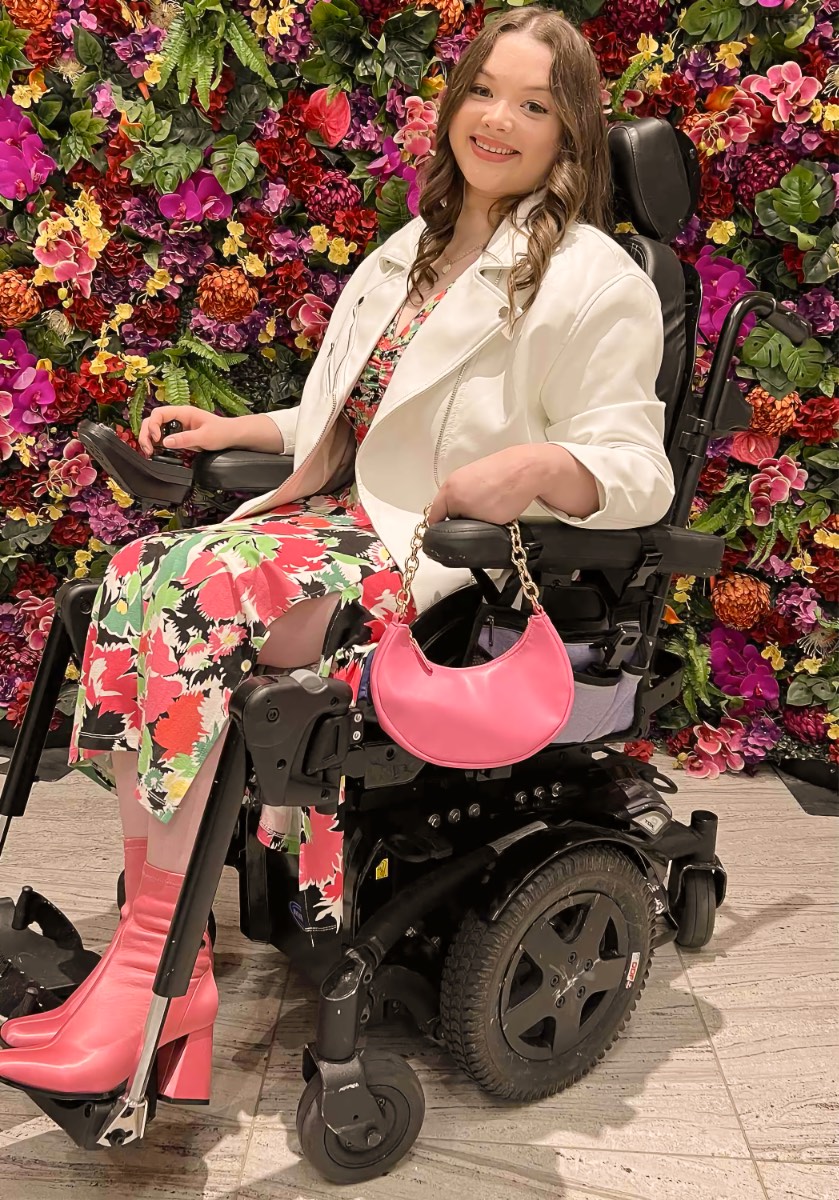
Amy Pohl, a disability rights advocate who uses a power wheelchair full time, is not disabled inside her own home and becomes so the moment she goes outside, where stepped entrances stop her because People with Disabilities are left until last when buildings and new infrastructure are planned. She points to the Coliseum, opened to People who use wheelchairs, and asks what excuse remains for anyone else. She says having a community matters and built hers online, where four million strangers learned what stops her while her own surroundings never asked, which is why removing barriers across the ordinary life of a community is what builds Vibrant, Diverse, Inclusive, Accessible Communities for People with Disabilities.
By: History.Com Editors Embark on a captivating exploration of women's history in the United States, tracing the footsteps of trailblazers who played pivotal roles in the fight for equality. The journey begins with Abigail Adams' poignant plea to her husband, Founding Father John Adams, urging him to "remember the ladies" in envisioning the nation's government. Dive into the Seneca Falls Convention of 1848, where the Declaration of Sentiments laid the foundation for women's suffrage. Witness the historic moment when Elizabeth Blackwell became the first woman to graduate from medical school in…
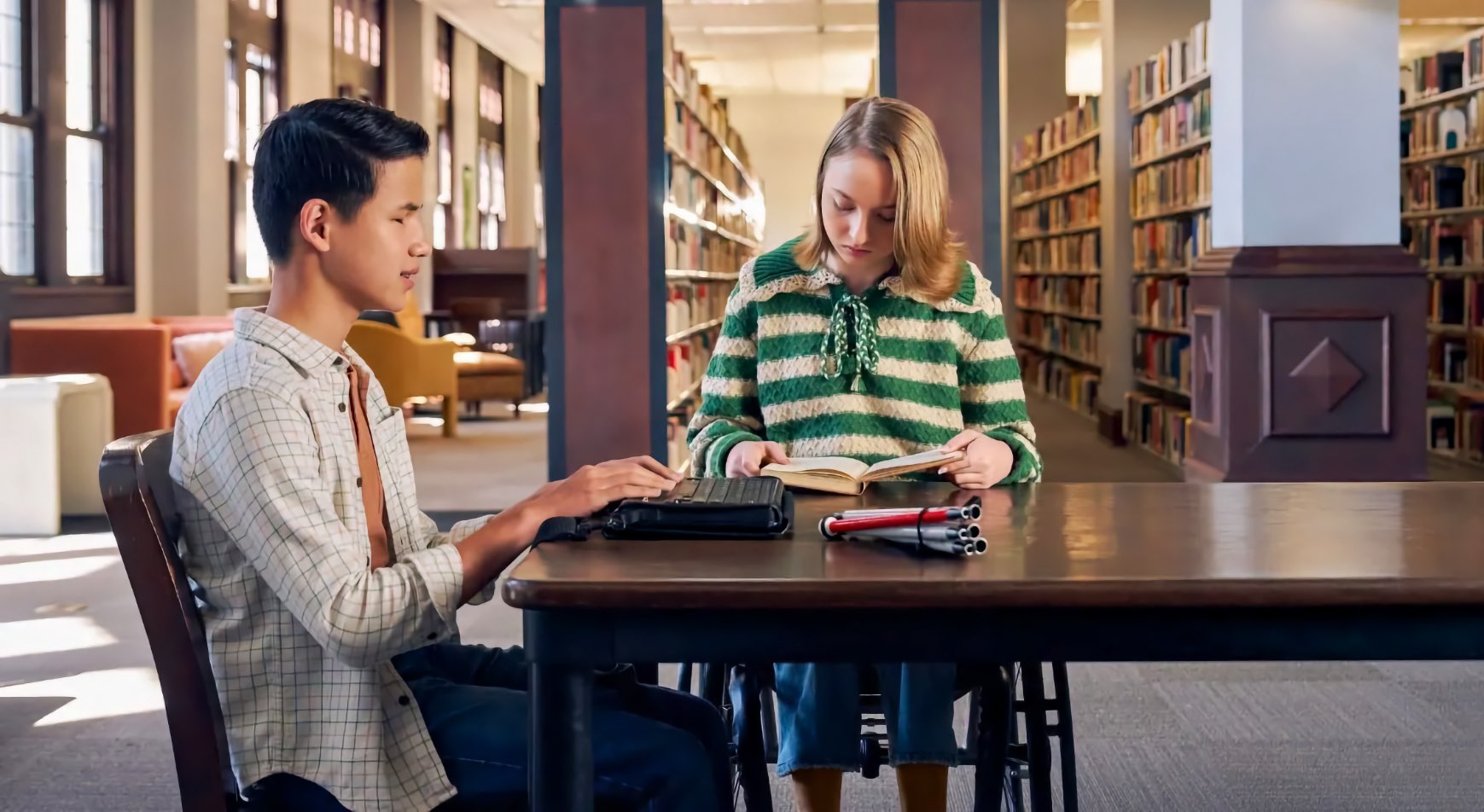
In his insightful article "Words Matter," Michael Hingson delves into the significant impact language has on perceptions of people with sight loss. Drawing from his extensive experience with the National Federation of the Blind and his role as Chief Vision Officer at accessiBe, Hingson highlights the problems with the term "visually impaired." He argues that this terminology inaccurately suggests a visual deficiency and perpetuates the misconception that people with sight loss are less capable. Hingson emphasizes that the Blindness Community widely advocates for the use of the term "blind or…
Nation.Cymru reports that Wrexham disability champion Samantha Maxwell has launched SILENCED., a book that connects disability and mental health by naming external barriers and the daily emotional toll they create for People with Disabilities, including stress, anxiety, and isolation. The launch took place at Tŷ Pawb in Wrexham with Lesley Griffiths MS in attendance, framing the event as part of hosting gatherings that welcome People with Disabilities without barriers; for planners, see accessible event planning. The article situates SILENCED. alongside Maxwell’s earlier works—CP Isn’t Me…
Learn about topics related to People with Disabilities, Accessibility, Anti-Ableism, Removing Barriers, and the Disability Community? Tap the Explore button to discover something new and intriguing with each tap!