

Explore More Compelling Insights:
Learn about topics related to People with Disabilities, Accessibility, Anti-Ableism, Removing Barriers, and the Disability Community? Tap the Explore button to discover something new and intriguing with each tap!
The voices and experiences of parents of children with disabilities are often diminished in a social media world that promotes the perfect parenthood myth — even the more honest portrayals of parenthood tend to do so through a very limited, very middle-class lens; recently, high-profile parents have made that barrier visible, including Jesy Nelson, whose Amazon documentary detailed her twin daughters' premature birth, with both girls now diagnosed with Spinal Muscular Atrophy Type 1 (SMA1), a genetic neuromuscular disease meaning they may never walk, and Katie Price, who has expressed fresh concerns for her son, who has rare genetic conditions causing severe weight management issues and low vision.
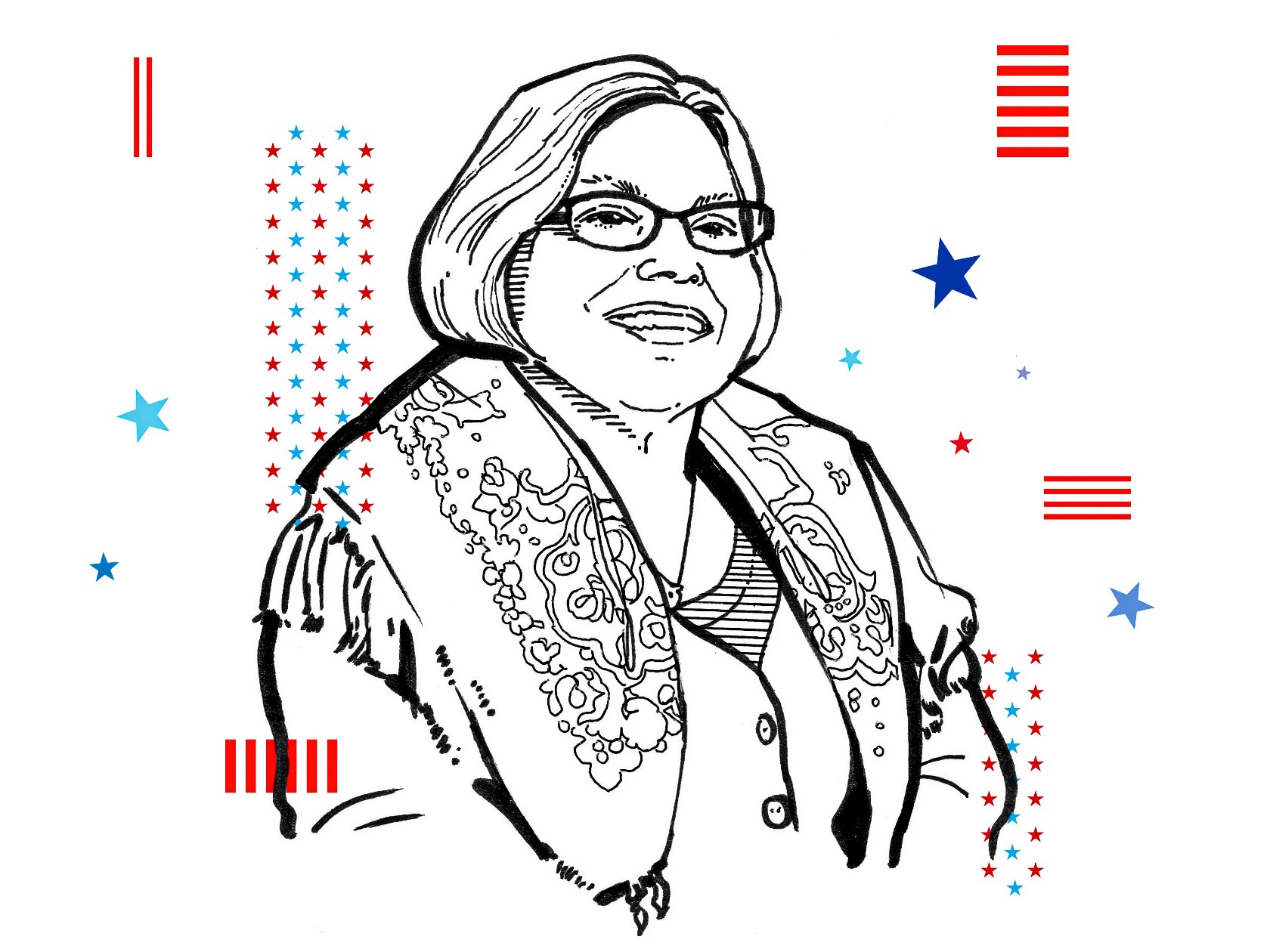
Judy Heumann spent five decades removing barriers that had closed American public life to People with Disabilities, and her standing as the movement's central figure carries the many organizers who died before results arrived. Disabled in Action stopped traffic and blocked buses, and Heumann's 28 day occupation of a federal building in San Francisco in 1977, backed without reservation by the Black Panthers, forced the rules implementing Section 504 of the Rehabilitation Act of 1973 and built toward the Americans with Disabilities Act (ADA) of 1990. Those protections are being taken back now while officials discourage vaccination and defund medical research, leaving People with Disabilities holding nothing but goodwill. The hand cranked lift that raised Heumann to a museum stage in 2020, in a building with no ramp, proves exclusion is manufactured by planning decisions, so Community Builders should walk the route a wheelchair user would take to the podium and to the seating before booking any gathering.
Learn about and Celebrate Disability Pride Month Disability Pride Flag: The Disability Pride flag is a symbol of unity and visibility for the Disability Pride movement. Designed by Ann Magill, it features a black background with a diagonal band from top left to bottom right, comprising five parallel stripes in muted colors: red, gold, white, blue, and green. Red: Represents physical disabilities. Gold: Symbolizes neurodivergence. White: Signifies invisible and undiagnosed disabilities. Blue: Represents psychiatric disabilities. Green: Symbolizes sensory disabilities. The flag celebrates…
Learn about topics related to People with Disabilities, Accessibility, Anti-Ableism, Removing Barriers, and the Disability Community? Tap the Explore button to discover something new and intriguing with each tap!