
Striving to remove barriers that prevent us from building Vibrant, Diverse, Inclusive, Accessible Communities!
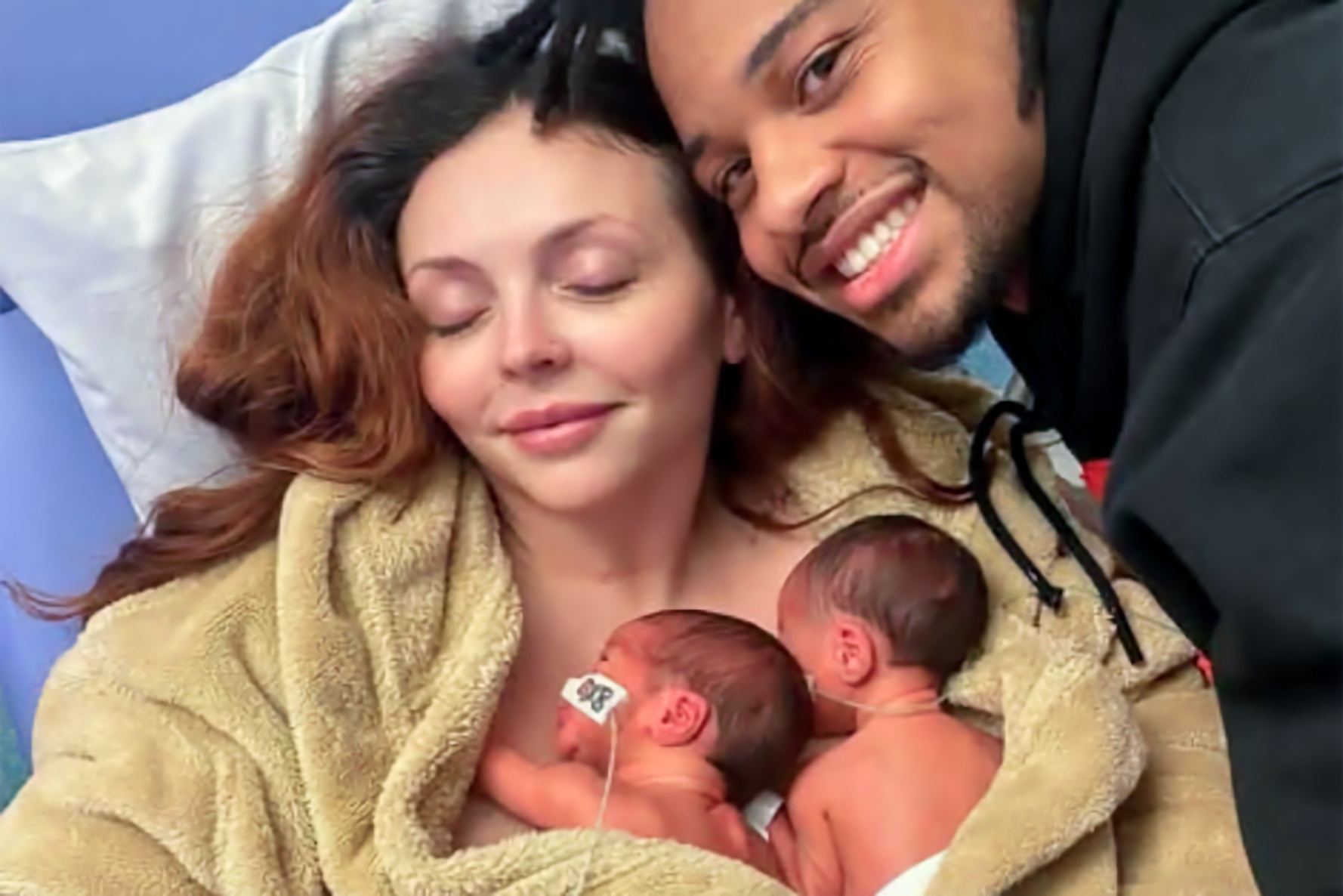
The voices and experiences of parents of children with disabilities are often diminished in a social media world that promotes the perfect parenthood myth — even the more honest portrayals of parenthood tend to do so through a very limited, very middle-class lens; recently, high-profile parents have made that barrier visible, including Jesy Nelson, whose Amazon documentary detailed her twin daughters' premature birth, with both girls now diagnosed with Spinal Muscular Atrophy Type 1 (SMA1), a genetic neuromuscular disease meaning they may never walk, and Katie Price, who has expressed fresh concerns for her son, who has rare genetic conditions causing severe weight management issues and low vision.
Families of children with disabilities are thrown into a medical world with no forewarning, no time to prepare — and the systems they encounter are not built to receive them: Talia Oatway wrote this directly after her son was born with a rare condition affecting facial bone formation; Sian gave birth with about 20 specialists in the room after a scan revealed her daughter had a heart defect and likely Down syndrome — today her daughter is the only recorded person with her unique genetic sequence and sees more than 25 doctors; Larissa Evans waited more than four years to receive her daughter's diagnosis, only to learn her daughter is the only person in the UK with her condition; no one expects that becoming a parent will involve supporting a child with a disability, and families describe mourning the life they thought they were going to have.
Raising a child with a disability comes with a perpetual search for support in a system not built for these families, and everything is a fight: families lose an average of £21,000 a year in additional costs, 62 per cent gave up work or reduced their hours, in London just one-third of underground stations are accessible, and Larissa Evans has lost track of how many professionals told her to let her daughter sleep on the floor rather than fund a bed for her — the toll is physical, emotional, and personal, reaching into every part of life.
The barrier of isolation is not made easier for families of children with disabilities — Salman Waqar stated this directly after his daughter Yusra died at four years old; despite the hardships, caring for Yusra was a privilege that gave him and his wife fulfilment and purpose, and the family established the Yusra Jinaan Foundation in their daughter's name to support children with disabilities and their families; Larissa Evans describes the honour of being her daughter's parent as something others could learn from about happiness, and Sian's daughter, whose progress her doctors described as incredible, has been saying "Hello, Daddy" since she was very little; for Community Builders, inclusion and access for People with Disabilities are not products to be purchased or outsourced to others — they are shared responsibilities, owned personally by each of us.
Read the Full Article: Jesy Nelson and the truth about bringing up a child with a disability in a world obsessed with 'perfect' parenthood.
By: Olivia Petter
