



Explore More Compelling Insights:
Learn about topics related to People with Disabilities, Accessibility, Anti-Ableism, Removing Barriers, and the Disability Community? Tap the Explore button to discover something new and intriguing with each tap!
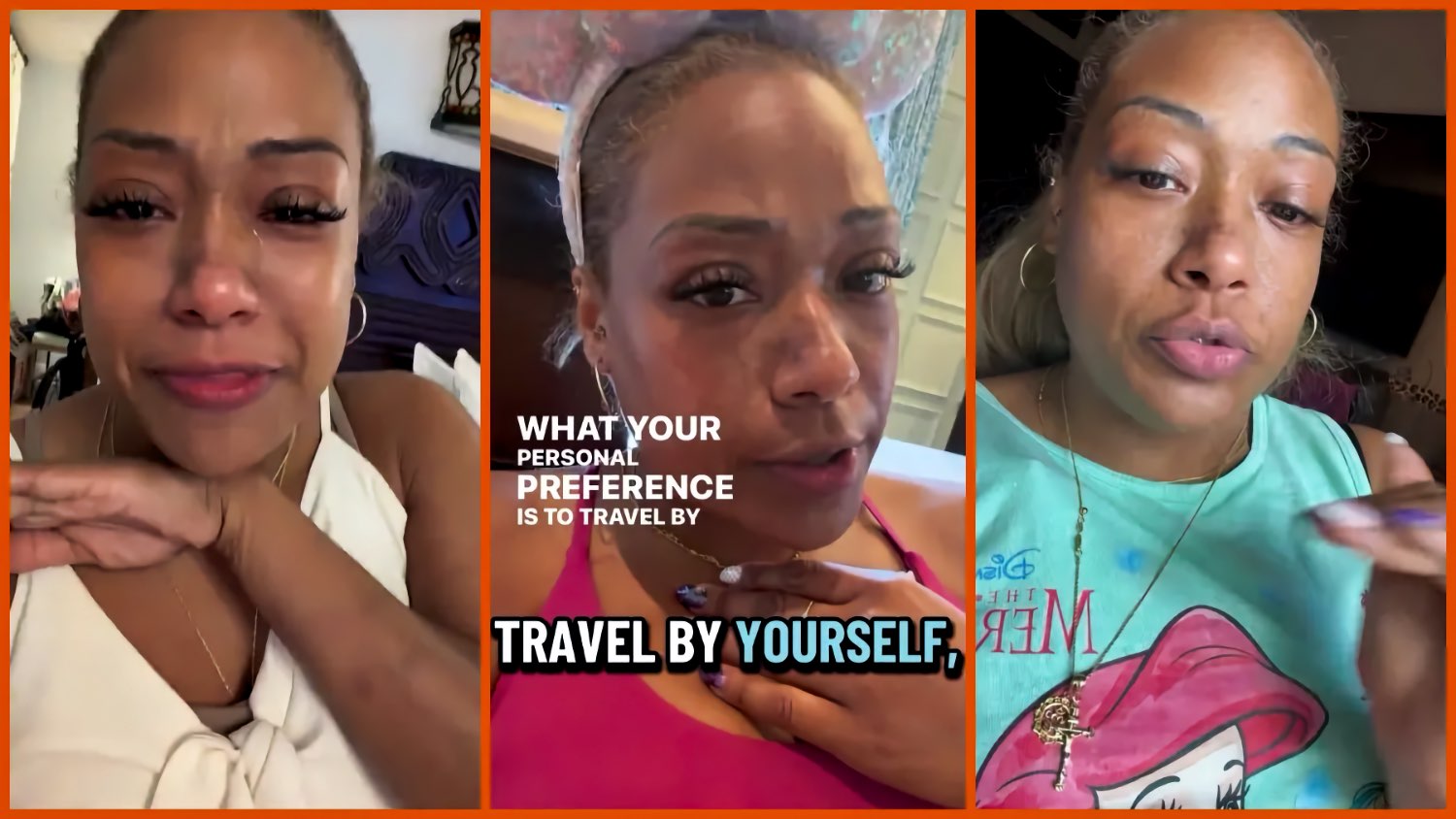
She traveled to a large resort by herself and opened the door on a room flagged accessible in the booking system, where the thermostat sat above her arm, the curtains stayed out of range, the switches were hung for somebody standing up, the coffee setup was decoration, the door was heavy enough to turn her arrival into a barrier, and the bathing area could not be used without soaking her completely. She reported it and was told accessible design is mostly the bathing and sleeping areas, and that People with Disabilities usually turn up with somebody, which is a belief about who books rooms dressed up as an excuse. The same operator runs step free routes, rentals, a queue access service, companion restrooms and an attraction app across its parks, which is precisely what makes the room indefensible, and she named the cause herself as nothing being held to one standard and nobody having learned the actual way People with Disabilities use a space. A workable room arrived only after two escalations, by which point she was weighing an early flight home against forfeited money, so while our own guests are still planning their travel to our activities, events, programs and services, deciding from our flyers, our forms and our materials whether they can take part at all, we can travel the route ourselves and remove every point that only works when a second person is standing there.
By Courtney Knapp Harvard sociologist Robert Putnam conducted research on social capital in diverse communities and found that culturally homogeneous communities tend to have more social capital than diverse ones. He suggests creating public destinations in communities to encourage meaningful interaction across ethnic lines, which can lead to more social capital. Project for Public Spaces also promotes parks, plazas, markets, civic buildings, business districts, and neighborhoods to bring people together and create vibrant multicultural communities. Different theories have emerged to explain…
More than 50 Minnesota school districts are confining students with disabilities in seclusion rooms — a practice banned or extremely limited in 21 states — and this largely hidden system has persisted precisely because it affects a small number of students and remains mostly hidden from the general public. The Minnesota Disability Law Center (MDLC) set out to document the state's seclusion rooms for the first time, photographing more than 80 of them and documenting their locations in a report titled "Children in Confinement: Seclusion in Schools." The 50 school districts maintain 194 registered seclusion rooms across 100 school buildings across the state. "I think the average person does not know this is happening in their schools. When they see the rooms and they find out how they're used, the average person is appalled and is very upset and curious as to why this antiquated and traumatizing practice is still allowed in our schools," said Jessica Heiser of the MDLC. "Nobody wants their kids in one of these rooms. As a parent, I cannot look at this room and say in good grace that there is a single child that deserves to be locked in a cinder block room in a school," Heiser said.
This egregious problem also exists in many other parts of the country:
Mervin Rodriguez loves music and movement. At a community baseball banquet in 2023, “They had a disc jockey (DJ) and it was like nothing else mattered. You couldn’t peel him off the dance floor.” His family took him to a live concert this summer—same joy. Yet when a school dance comes up, they can’t send him because there is no plan for participation: no way to signal for bathroom help, no clear wayfinding at drop-off and pick-up, and no designated person to respond when a nonverbal child tries to get support.
This Edinburgh Live article profiles Midlothian author Colin Burnett, a 35-year-old man from Bonnyrigg who has autism and also lives with dyslexia and dyspraxia, as he prepares to publish his third book while confronting how teachers tried to shut down his future. He says he was “laughed at” and discouraged at school, repeatedly told it would be “too difficult” for him to go to university, and remembers telling an English teacher he wanted to become a writer someday and she laughed in my face. The article does not treat this as a harmless memory: it shows how educators’ ridicule and low…
Days ahead of the Winter Paralympics—when athletes with disabilities will take center stage at the Milan Cortina Games—a choir from northern Italy performed a pop music concert inside Milan’s Sant’Antonio church, calling for harmony and inclusion—particularly of those with disabilities. The article’s core conflict is that visibility at major events does not automatically translate into belonging; People with Disabilities are still too often treated as an “add-on” audience instead of equal community members whose access and participation must be built into public life. The Archdiocese of Milan…
A parent recounts a moment at a neighborhood playground when an older child’s curiosity became the spark for genuine inclusion. What began as a hesitant question quickly turned into an invitation to play, setting a hopeful tone for how kids can welcome a peer with a disability when adults respond calmly and clearly. After the parent offered a simple, age-appropriate explanation, the child returned to help with the slide and swing, then picked up hand cues like “more” and “all done,” teaching friends to do the same. The scene underscores how learning a few basics of American Sign Language can…
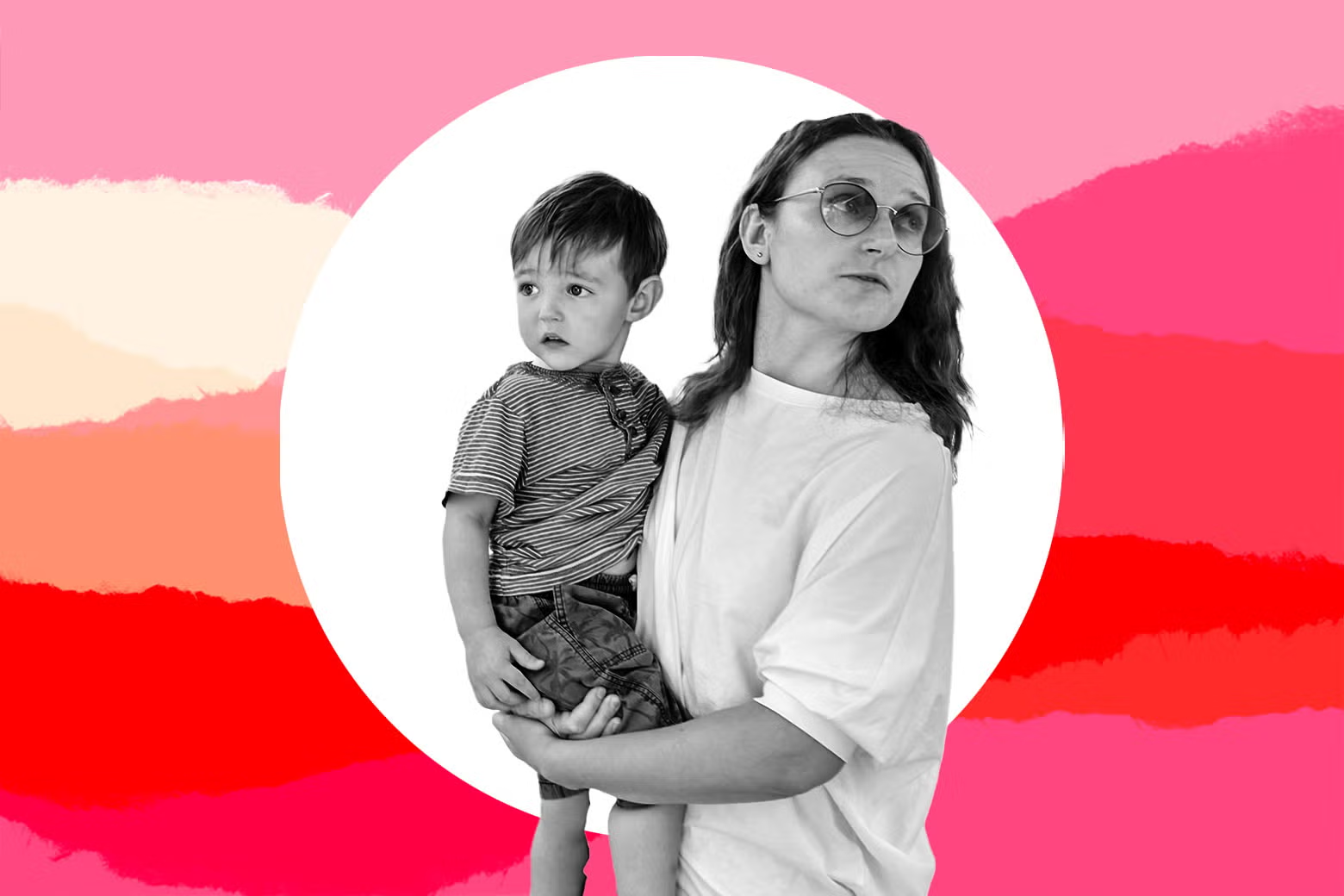
Kiaira Fedorus shares how spastic hemiplegic cerebral palsy shaped her life and why she feared that giving birth might end her mobility; after welcoming her son Arthur on April 1, 2024, she says the experience renewed her sense of resiliency and purpose. Early postpartum was painful and slow—she couldn’t change her newborn for the first two weeks and needed hands-on support from her fiancé and mother—yet she adapted to one-handed caregiving, returned to everyday outings, and built a platform around disability awareness through pageantry and community work. Her account highlights real problems…
Caption: Ngauranga Kura Ranginiwa (at left) raised three mokopuna, or grandchildren, including Stevie-Rei Pokaia (at right). As a kaiako, or teacher, at a Kohanga reo-a school of Mãori language and culture-Ranginiwa helped teach her mokopuna. Following the path of her kui, or grandmother, Pokaia now works as a kaiako. Ranginiwa and Pokaia are shown on Ngãti Te Whiti land at Kawaroa, Ngãmotu, Taranaki. The Māori model for teaching language, particularly through Kohanga Reo schools, exemplifies how communities worldwide can reclaim and fortify their cultural identities. Ngauranga Kura…
Mothers with Disabilities often face systemic discrimination rooted in ableist assumptions that undermine their parenting abilities. Despite legal protections under the Americans with Disabilities Act, child-removal rates remain alarmingly high for mothers with psychiatric or intellectual disabilities. Striving to remove these barriers is crucial to fostering vibrant, diverse, inclusive, accessible communities where all mothers can thrive without the stigma of perceived inadequacy. Heather Watkins, a mother and disability rights advocate, experienced firsthand how inaccessible community…
A 16-year-old autistic teenager in Toronto stands on the sidewalk outside his home each afternoon to wait for his younger sister. Most neighbors know him and greet him warmly. But when a stranger approached the local crossing guard demanding to know about him and declared her intention to contact the police, his mother felt the earth drop out from under her. A boy doing nothing but loving his sibling in his own neighborhood had been read as a threat. He could have told the stranger his name, his address, and exactly why he was there. But the stranger never asked. People with Disabilities are profoundly misunderstood and face greater vulnerability to misinterpretation, and Community Builders striving to create Vibrant, Diverse, Inclusive, Accessible Communities must make sure autistic people standing on their own sidewalks are met with recognition rather than a police call by removing barriers so People with Disabilities belong without fear.
Disability activist Nadia Ibrahim Mossburg spent nearly four decades inside eight congregations of the American church, where real friendships and long stretches of genuine belonging sat alongside a persistent pattern of being handled as a project rather than counted as a member, through awkward humor about her power wheelchair, prayers she had not asked for, a theology that blames unanswered prayer on a person's insufficient faith, and meal invitations that arrived and went nowhere. The institutional record matches the personal one, since only one of her eight congregations ran a disability ministry, budgets go overwhelmingly to staff and daily operations, the major bodies surveying congregations ask about party affiliation but nothing about disability, and most seminary leaders report that graduates finish unprepared to bring People with Disabilities into church leadership, with the result that nearly a third of families that include People with Disabilities have left a place of worship over exclusion. Access handed down as generosity at a moment convenient to the giver is not inclusion, and Community Builders answer it by treating inclusion and accessibility as shared responsibilities owned personally by each of us and enacted collectively through decisions made in consultation with People with Disabilities, drawing on the skills and talents People with Disabilities already bring rather than deciding on their behalf.
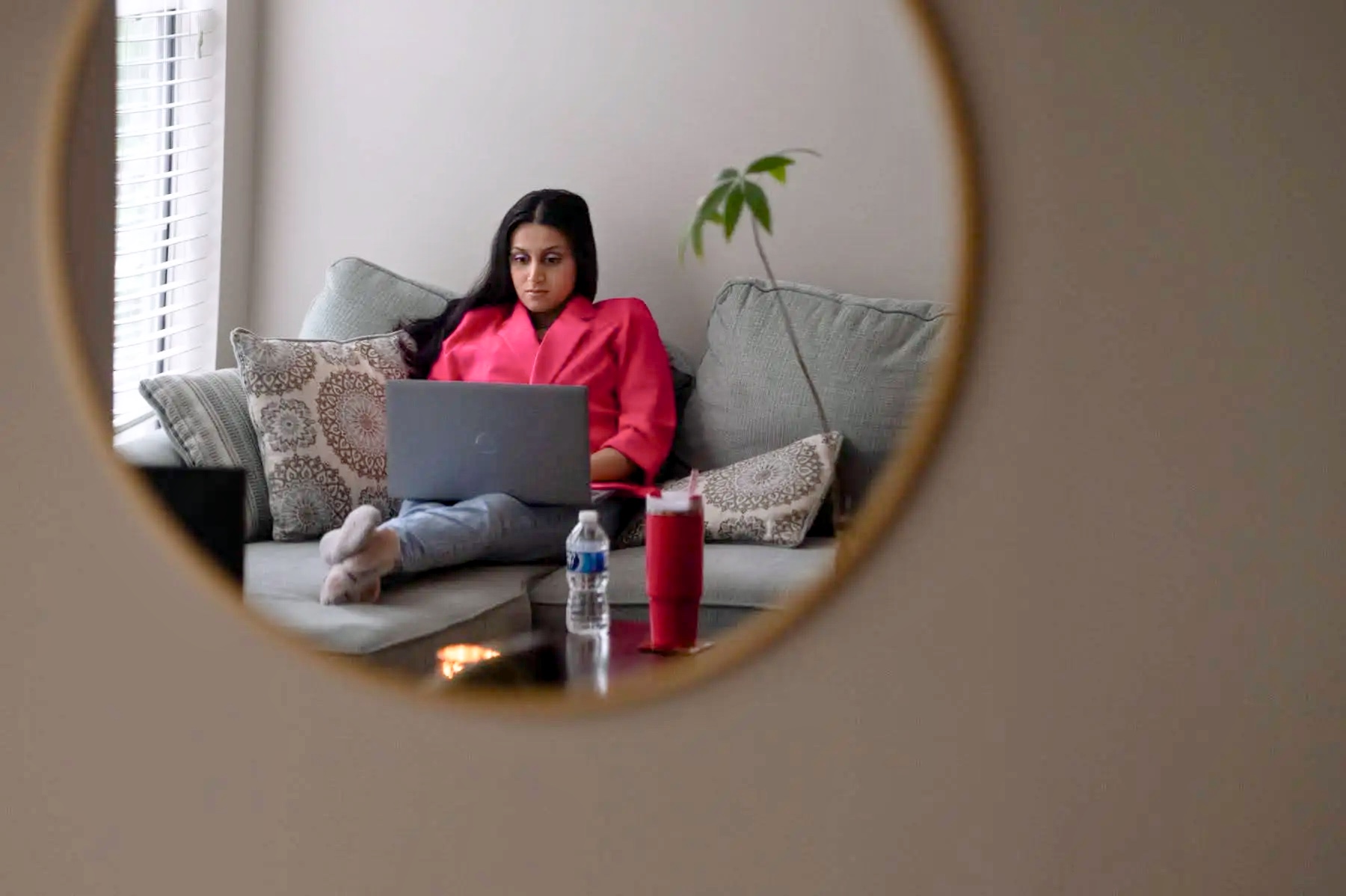
Zarin Hamid spent years being asked to prove ability she had already shown. Employers asked what was wrong with her voice, then said she had no experience, and neither reason had anything to do with her skills. She excelled at a Pittsburgh bank until new leadership brought harassment, constant criticism, and the message that the team held no path forward for her. At her next job she asked for the access the Americans with Disabilities Act already guarantees her, waited four months, and was fired sixty days after it was granted, losing her health insurance while her testing was unfinished. A casino evaluator later failed her audition for not being loud enough, an instructor pushed for a second audition, and she passed, then returned to cybersecurity within days.
In this powerful parenting exchange from Care and Feeding, a concerned parent shares their discomfort about the ongoing ableist remarks made by a friend, Raven, in front of their children. Raven’s harmful comparisons between their autistic child, Jax, and a neurotypical peer are not only inaccurate—they perpetuate deeply rooted ableism and risk teaching harmful beliefs to other children. The letter writer, known as "Kids Shouldn't Be Compared," raises a critical concern: how do we protect our children from absorbing ableist views while fostering relationships rooted in respect and equity?…
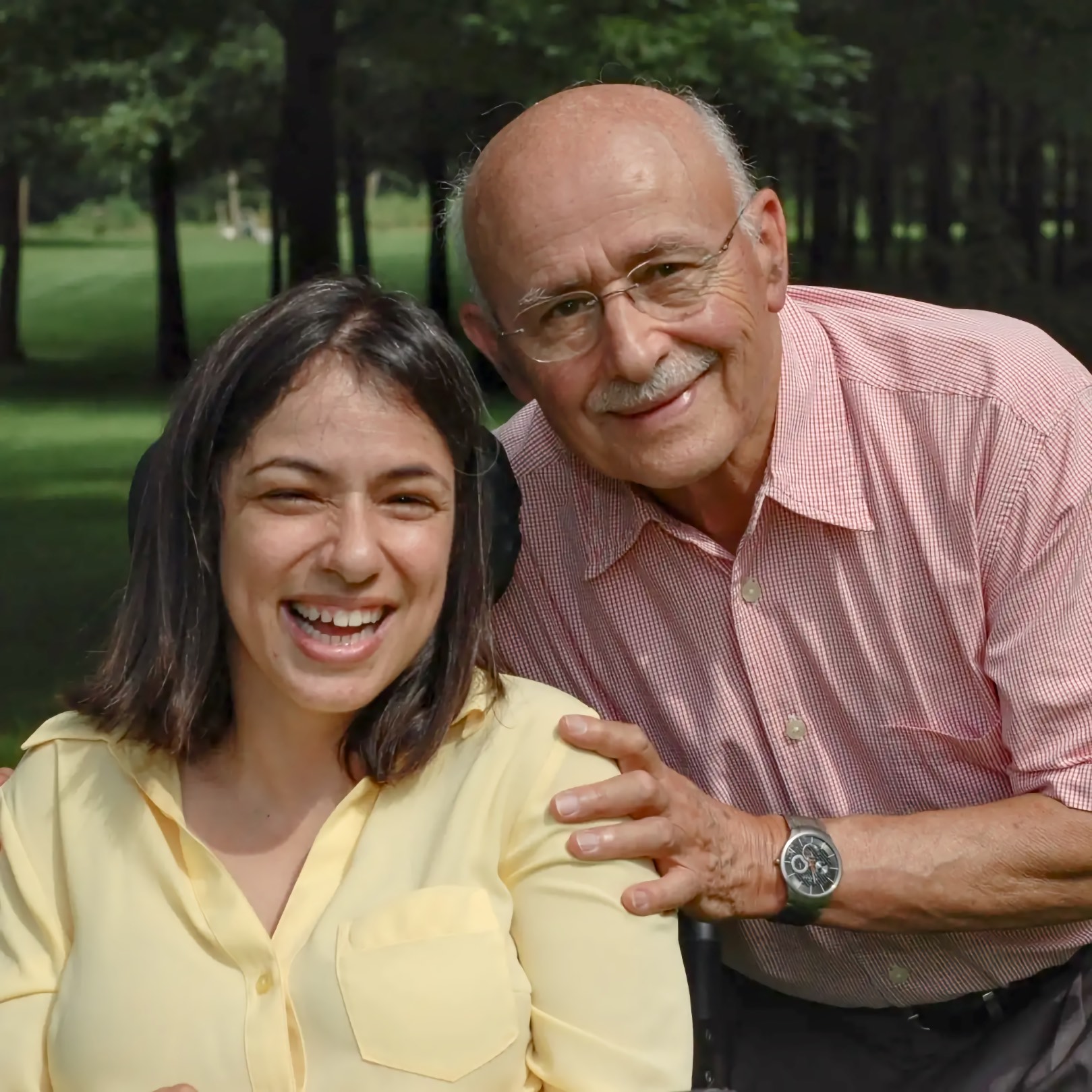
Nancy Bischoff’s essay opens on a cliff edge of uncertainty: in her early 30s, after “running from a failed relationship,” she scans an online ad that reads, “Veteran with a disability needs helper. Free room and board, in exchange for light housekeeping.” Her best friend warns her off, but she goes anyway, chasing detachment and a reset in a new city. When she reaches the house, the risk hits her body—“warning bells were going off,” her hands are sweating—and then the door opens to an older, white-haired man using a wheelchair and connected to an oxygen tank. He is not asking to be pitied…
Amelia Peckham’s story as a parent with a disability illuminates the unique barriers encountered by People with Disabilities who choose to become parents. Following a severe accident that left her paralyzed from the waist down, Peckham navigated significant challenges during her pregnancies, including severe pain and exhaustion. Her determination highlights the crucial need to remove barriers and build vibrant, diverse, inclusive, and accessible communities where parents with disabilities can fully thrive. Peckham’s experiences also challenge the biases and misconceptions about the parenting…
Laycie Beck reports on Emma Sellars, now 24, whose life changed at 16 when doctors diagnosed ulcerative colitis, a chronic inflammatory bowel disease, followed by years of medication, infusions, steroids and injections for flare-ups and severe pain. By 18, she says the side effects left her with “no choice” but surgery to form an ileostomy and remove her large bowel, leaving a stoma and a bag to collect waste, and she says the surgery “saved my life.” She has since undergone nine more surgeries and, since 2022, needed artificial nutrition through a feeding tube into her small bowel—realities…
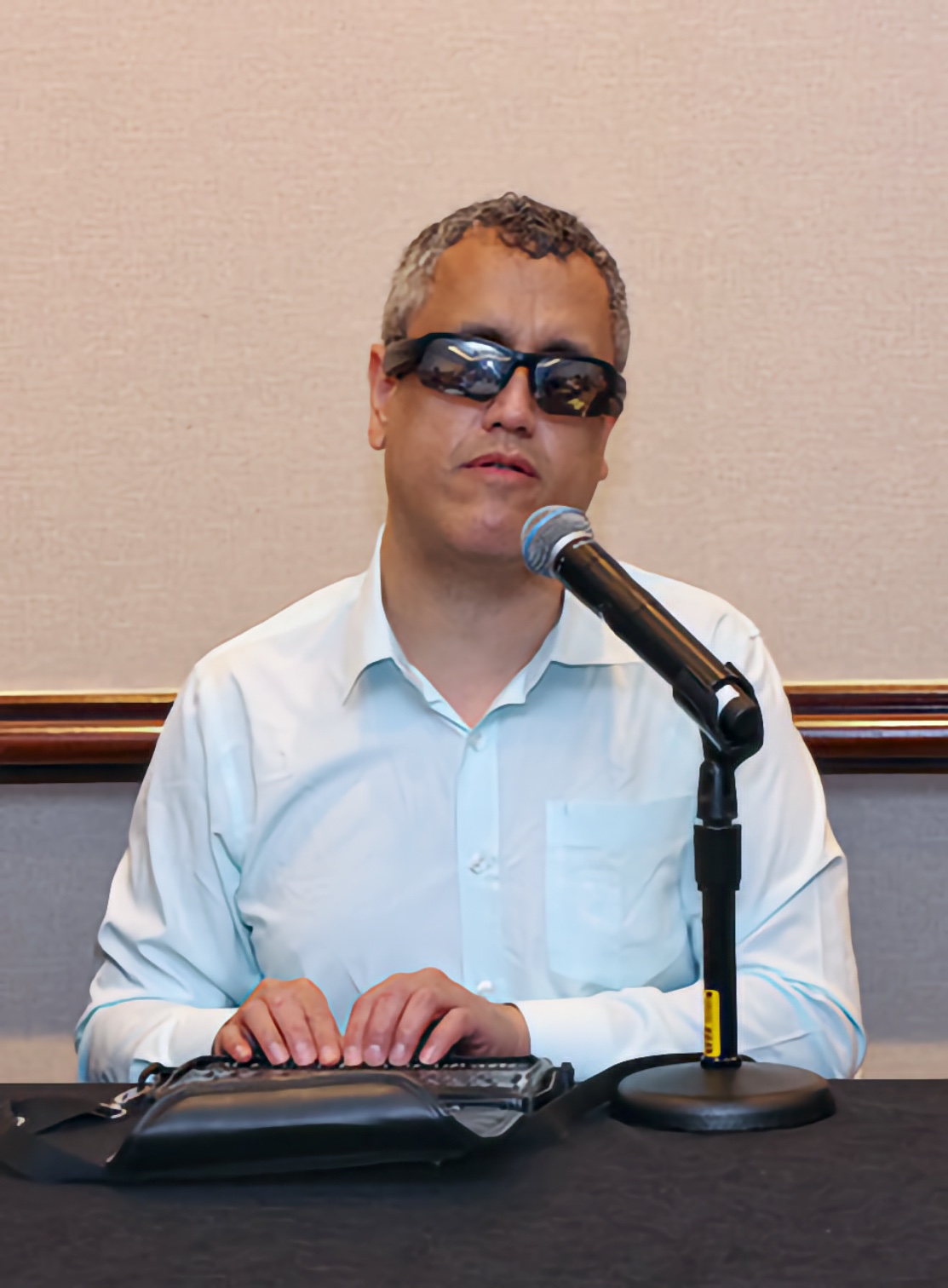
Cary Supalo's account follows his path from a Blind fourth grader in Joliet, Illinois, who built a tactile solar system from burlap and Styrofoam and followed planetarium narration in his mind, through a half day Space Shuttle simulation in Huntsville with Braille labeled controls and tactile documents, to a mature Blind chemist calling for modern planetariums to stop sidelining descriptive narration and to adopt the accessible tools already available, including refreshable tactile displays (RTDs) carrying real time data from the National Aeronautics and Space Administration (NASA) and global space agencies, scaled physical models, raised line drawings, and tactile graphics. His central claim is that Blind scientists and engineers must be empowered to contribute meaningfully to astronomy and science, technology, engineering, and mathematics (STEM), not simply inspired, and that their work must not be reduced or pushed aside as humanity pushes deeper into lunar and Martian exploration. Providing accessible materials for Blind people in every educational and scientific setting is the minimum condition for a community that takes inclusion seriously.
Learn about topics related to People with Disabilities, Accessibility, Anti-Ableism, Removing Barriers, and the Disability Community? Tap the Explore button to discover something new and intriguing with each tap!