
Striving to remove barriers that prevent us from building Vibrant, Diverse, Inclusive, Accessible Communities!
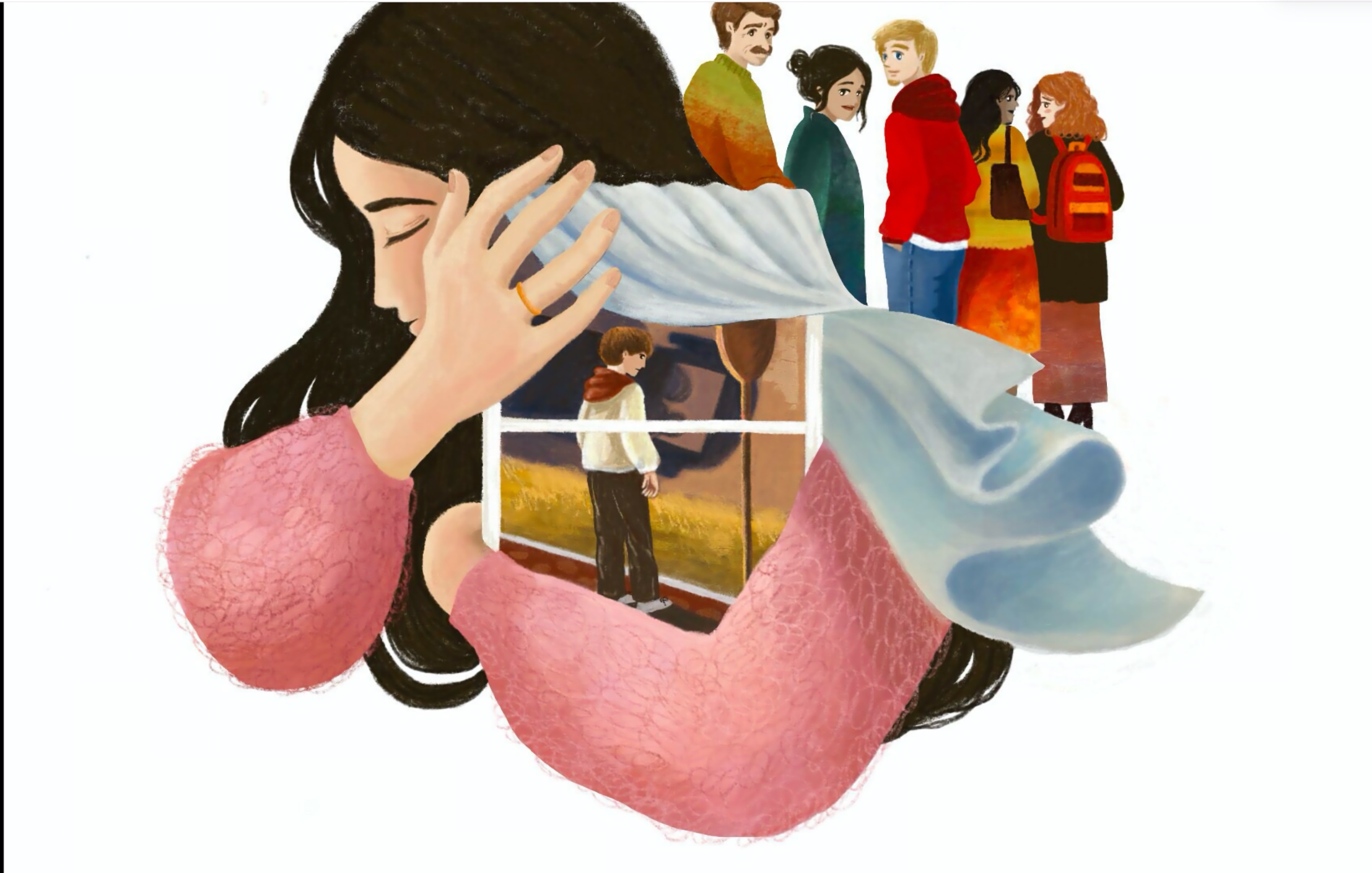
Every afternoon at half past three, a 16-year-old autistic teenager positions himself on the sidewalk outside his Toronto home. His younger sister will arrive soon, and his purpose there is unmistakable: he is the one who watches for her. Most neighbors know him. They wave, say hello, offer a high five. With limited verbal communication but no shortage of commitment, he has made this moment entirely his own. His parents keep a careful eye from inside, rarely needing to step out. This daily act of standing guard for someone he loves is tender, purposeful, and self-chosen. For a person whose right to belong in his own neighborhood is beyond question, this quiet ritual is a declaration of exactly that.
The moment that cracked this family's quiet routine open arrived when the neighborhood crossing guard pulled the mother aside. A stranger had approached the crossing guard demanding to know about the teenager and had declared her intention to contact the police. The mother felt the earth drop out from under her. A 16-year-old boy, standing on his own sidewalk, waiting for his sister, had been judged threatening enough to warrant a police call. He had not done anything. He had not said anything. He had simply been visibly and unmistakably autistic, and that was enough for a stranger to decide he was a danger. This is what autistic people and their families are up against when the community around them reads visible difference as threat.
What makes this moment especially painful is that this teenager is not unreachable. He knows his address and his phone number. He can explain why he is standing there each afternoon. The crossing guard, a familiar face in the neighborhood who was also raising a child with a disability, stepped in on his behalf and told the stranger that his presence on that sidewalk was entirely ordinary and known. But the stranger had not spoken to him at all. She had gone around him, decided who he was, and reported her interpretation rather than simply test it. The barrier was not his autism. The barrier was a stranger's refusal to approach him as a person capable of being seen and engaged on his own terms.
The mother of this teenager thought back through every interaction her son has had with strangers and found nothing that warranted fear. There is no such incident. People with Disabilities are profoundly misunderstood and face greater vulnerability to misinterpretation of who they are and what they are doing. The neighbor who feared this teenager likely had no idea he was entirely capable of answering her question directly. That gap belongs not to him but to a community that has not yet built real belonging for People with Disabilities. Community Builders striving to create Vibrant, Diverse, Inclusive, Accessible Communities must reckon with this: that autistic people standing on their own sidewalks deserve recognition, not a police call. That commitment begins with removing barriers so People with Disabilities belong without fear.
Read the Full Article: My autistic son is different but not dangerous. I hope strangers can see that.
By: Tina Michaelidis
