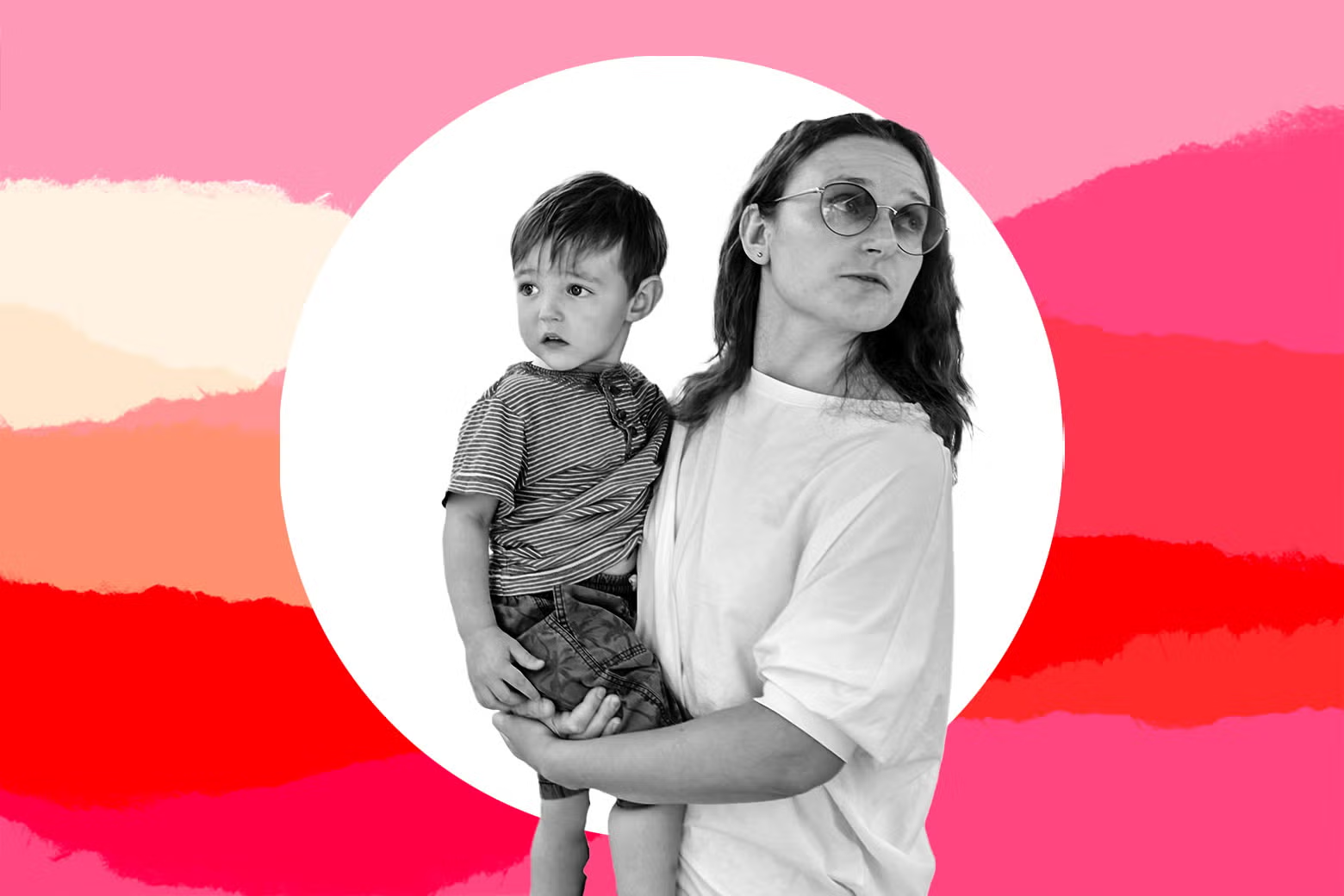
A parenting story about confronting ableist remarks made in front of children.
In this powerful parenting exchange from Care and Feeding, a concerned parent shares their discomfort about the ongoing ableist remarks made by a friend, Raven, in front of their children. Raven’s harmful comparisons between their autistic child, Jax, and a neurotypical peer are not only inaccurate—they perpetuate deeply rooted ableism and risk teaching harmful beliefs to other children. The letter writer, known as "Kids Shouldn't Be Compared," raises a critical concern: how do we protect our children from absorbing ableist views while fostering relationships rooted in respect and equity?
Author Nicole Chung responds with nuance and care, highlighting the real harm that can stem from ableist environments—even, or especially, when they exist in parenting spaces. The letter provides a window into how ableism can manifest in everyday interactions, reinforcing the need for active advocacy and awareness. Importantly, Chung emphasizes the parent’s right to remove their child from environments that compromise their values, especially when those values center around recognizing the dignity and intelligence of People with Disabilities.
This situation isn't just about parenting differences—it's about removing barriers that harm People with Disabilities and erode the foundations of an Inclusive community. As we strive toward building Vibrant, Diverse, Inclusive, Accessible Communities, we must be bold enough to question harmful language, even when it comes from someone close. The way we respond to ableism today shapes the kinds of communities our children grow into—communities where all children are seen, respected, and celebrated.
Let this story serve as a call to action: we all play a part in modeling how to stand up to ableist behaviors, protect children’s emotional well-being. Whether by setting respectful boundaries or educating others, our collective work is about Striving to remove barriers that prevent us from building Vibrant, Diverse, Inclusive, Accessible Communities!
Learn about topics related to People with Disabilities, Accessibility, Anti-Ableism, Removing Barriers, and the Disability Community? Tap the Explore button to discover something new and intriguing with each tap!