
Striving to remove barriers that prevent us from building Vibrant, Diverse, Inclusive, Accessible Communities!
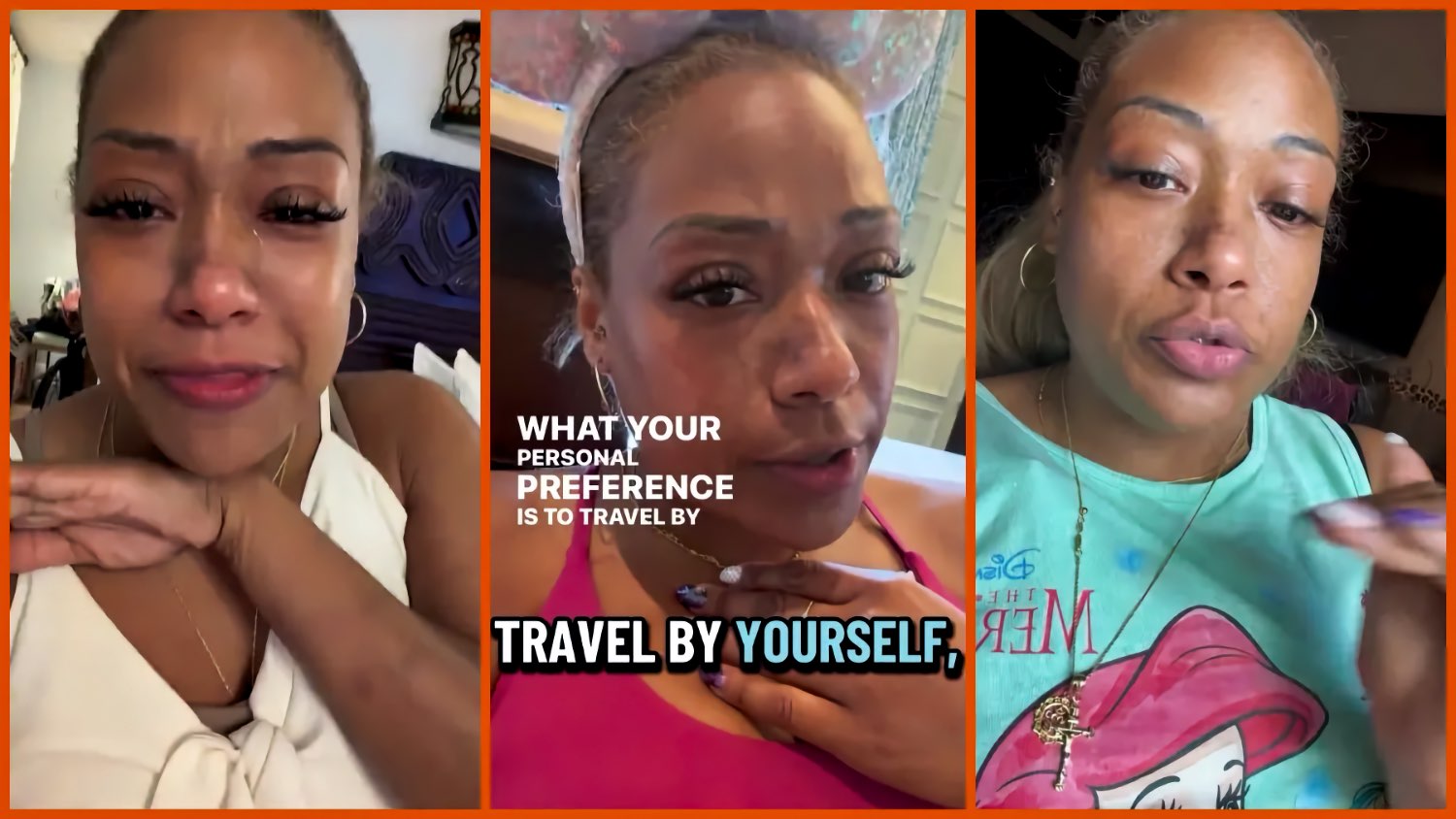
She booked the trip alone, which is the whole point of a trip like that, and somewhere in a reservation system a room had already been flagged as the accessible one. Then she opened the door and met the thing itself. A thermostat set above her arm. Curtains she had no way of reaching. Switches mounted for somebody standing up. A coffee setup she could look at and not use. A door heavy enough that getting through it with her bags stopped being an arrival and became a barrier. The bathing area finished the job, because there was no using it without soaking herself completely. She had booked a room she expected to meet the standard the Americans with Disabilities Act sets, and she should have that expectation, because that Act prohibits discrimination on the basis of disability in the full and equal enjoyment of goods, services, facilities, and accommodations of any public place. What she filmed instead, crying, saying she could not make sense of any of it, then rolling from one fixture to the next and naming them, is the plainest evidence anyone could ask for that the word accessible was doing no work at all.
Then she told somebody, and the answer made the room look almost gentle by comparison. Accessible design, she was informed, is mostly the bathing and sleeping areas. And People with Disabilities, she was informed, usually turn up with somebody to help them. She had spent the previous minutes proving the bathing area failed her too, and it changed nothing, because the reply had been written before she opened her mouth. Nobody was standing beside her, no relative and no partner had been recruited to make that room function, and she had paid to get to it. This is the moment the barrier stops being a thermostat and becomes a belief about who books rooms, and it holds fast because an assumption about who might be standing beside her cannot outrank what she is describing from inside the room. A commenter who is also a Person with a Disability put the sting of it exactly right, saying the unbearable part is watching somebody without a disability argue with what a Person with a Disability is living through at that very second.
Here is what makes this indefensible rather than unfortunate. The same operator publishes an access record at its parks and is widely regarded for it. Routes without steps through all four parks. Wheelchairs and electric scooters out for rent. A dedicated service for guests who cannot use the standard queues. Companion restrooms across the grounds. An app that will tell a guest what to expect at every attraction. Every one of those exists because somebody, somewhere in that operation, learned what access requires and built it. Then that same operation handed her a room where the switches sat above her head. She named the reason herself, and it is the sentence the whole story turns on: nothing is held to one standard anywhere in the operation, and nobody there has learned the technical way People with Disabilities move through and use a space. An organization that proved it knows how at the gate and abandoned it at the guest room has told on itself, because the reach of the woman in the room was never once part of the plan.
Accessibility that depends on another person is not accessibility. She got a workable room in the end, but only after one manager brushed her off and a second finally listened, and by then the trip was hollowed out, the magic gone, and she was weighing an early flight home against the money she would use to eat. That is the fourth thing here, and it is the one that should make us uncomfortable, because access she had to extract was never planned in the first place. Somebody is planning right now to travel to something we have on our community calendar. A Blind woman is opening the invitation we sent and finding out whether her screen reader can read it, or whether we posted a flyer as an image and left her nothing. A Deaf man is scanning the registration form for whether an American Sign Language interpreter will be there. A wheelchair user is trying to work out from what we published whether she can get through the door. Our own position is unambiguous: the International Accessibility Standards must be followed on our invitations, forms, handouts and program materials, our materials go out in the formats our guests actually use, and we never advertise something as accessible that has not already been made so. This article is what it costs when that order gets reversed and the guest becomes the person who discovers the truth.
Right now our guests are deciding whether to come to our event, and they are deciding from our flyer, our registration form and whatever we said about the facility, the route and the program. We need to verify our own event is actually accessible before they do, from a Blind Person opening the invitation with a screen reader, to a Deaf Person checking whether the interpreter is booked, to a wheelchair user reaching for the switch by the door, because every point on that route that only works with a second person standing there is a barrier we should remove this week. That is how we build Vibrant, Diverse, Inclusive, Accessible Communities for People with Disabilities, and it goes faster and lands better when we do it together.
Take that trip ourselves while the plans are still soft, and nobody who travels to join us spends the visit proving to us that the barriers are real.
Read the Full Article: Magic has limits’: Woman in wheelchair is excited about solo travel to Disney World. Then she learned her ‘accessible’ hotel needed a companion.
By: Jaymie Vaz
