
Striving to remove barriers that prevent us from building Vibrant, Diverse, Inclusive, Accessible Communities!
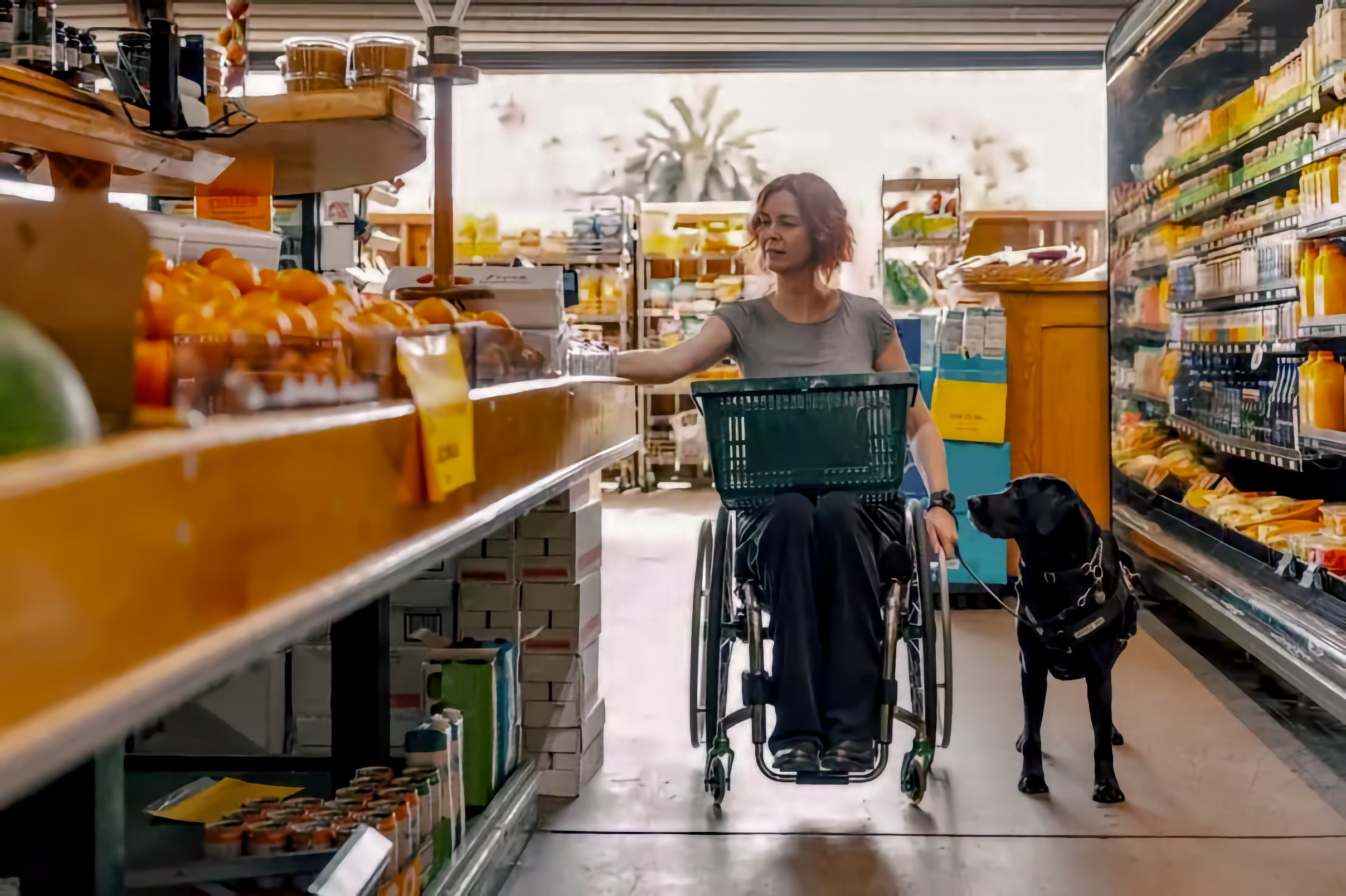
In October 2024, the American Association of People with Disabilities (AAPD) convened The Access Coalition. Its members include some of the world's biggest names in retail, hospitality, and consumer goods. Together they are working to make accessibility for People with Disabilities a built in design standard across every retail environment. Their working definition of retail is broad, covering any place where customers pay for goods, whether the setting is physical, digital, or a mix of both. In February, the coalition released two resources for use across the wider industry: an Inclusive Spaces Playbook and an updated Inclusive Spaces Framework. Both grew out of years of joint work among member companies.
After studying retail environments, The Access Coalition identified two areas where People with Disabilities run into the most serious problems: restrooms and checkout. Restrooms create problems for customers as well as for the people working those retail locations. Checkout, also called point of sale, is rarely discussed in the industry yet is the place where People with Disabilities most often face barriers. Wheelchair users find terminals placed beyond their reach, set in aisles they cannot enter, or hidden by merchandise stacked on the shelf in front of them. Self checkout kiosks have their own set of obstacles: glass screens that give nothing back to the touch, menus that are hard to follow, no spoken instructions, and screen heights that wheelchair users and people of shorter stature simply cannot reach. For workers with disabilities the same hardware and software is even harder, because what passes in ninety seconds for a shopper becomes a problem the employee handling that station deals with through an entire workday.
When asked what retailers could ship by Monday without a major project, The Access Coalition pointed to wayfinding. From focus groups and ongoing input, the coalition has consistently heard that signs inside retail stores create barriers for People with Disabilities. Signs that are easy to spot and read help People with Disabilities find their way through a store. The specifications are straightforward. Signs work best with strong contrast, large sans serif fonts, and clear iconography where it makes sense. These signs should appear at the entry, near the restrooms, at every checkout, and at counters such as the pharmacy. Pair that with clear paths of travel between spaces, kept free of barriers and easy to navigate, and a store becomes accessible for People with Disabilities.
The coalition is clear that no amount of design is enough on its own. A retail space can be built to every accessibility specification, but if staff have not been trained and there are no policies or procedures backing that design, People with Disabilities still face barriers when they arrive. Restrooms are the example the coalition keeps returning to. The physical features matter, including the size of stalls, indicators showing occupancy, signs that help with finding the way, and automatic fixtures. But so does what employees should know. That includes the fact that some customers may require additional time, how to make sure carts and restocking gear do not block the way to facilities, how to keep automatic doors and faucets working after they break, and why trash cans inside the stalls must be emptied regularly for People with Disabilities who manage menstrual care, ostomy supplies, catheter routines, or diabetes management. The coalition argues that training also passes along things people simply did not realize they were missing. Many of these gaps trace back to teams that were never shown what a fully accessible retail space looks like, which is exactly why Community Builders must take this on personally, choosing to be upholders and defenders of People with Disabilities until every retail space across the block is built and run with access at its center.
Read the Full Article: How A Coalition Of Retail Giants Is Rewriting Accessibility Standards.
By: Keely Cat-Wells
