
Striving to remove barriers that prevent us from building Vibrant, Diverse, Inclusive, Accessible Communities!
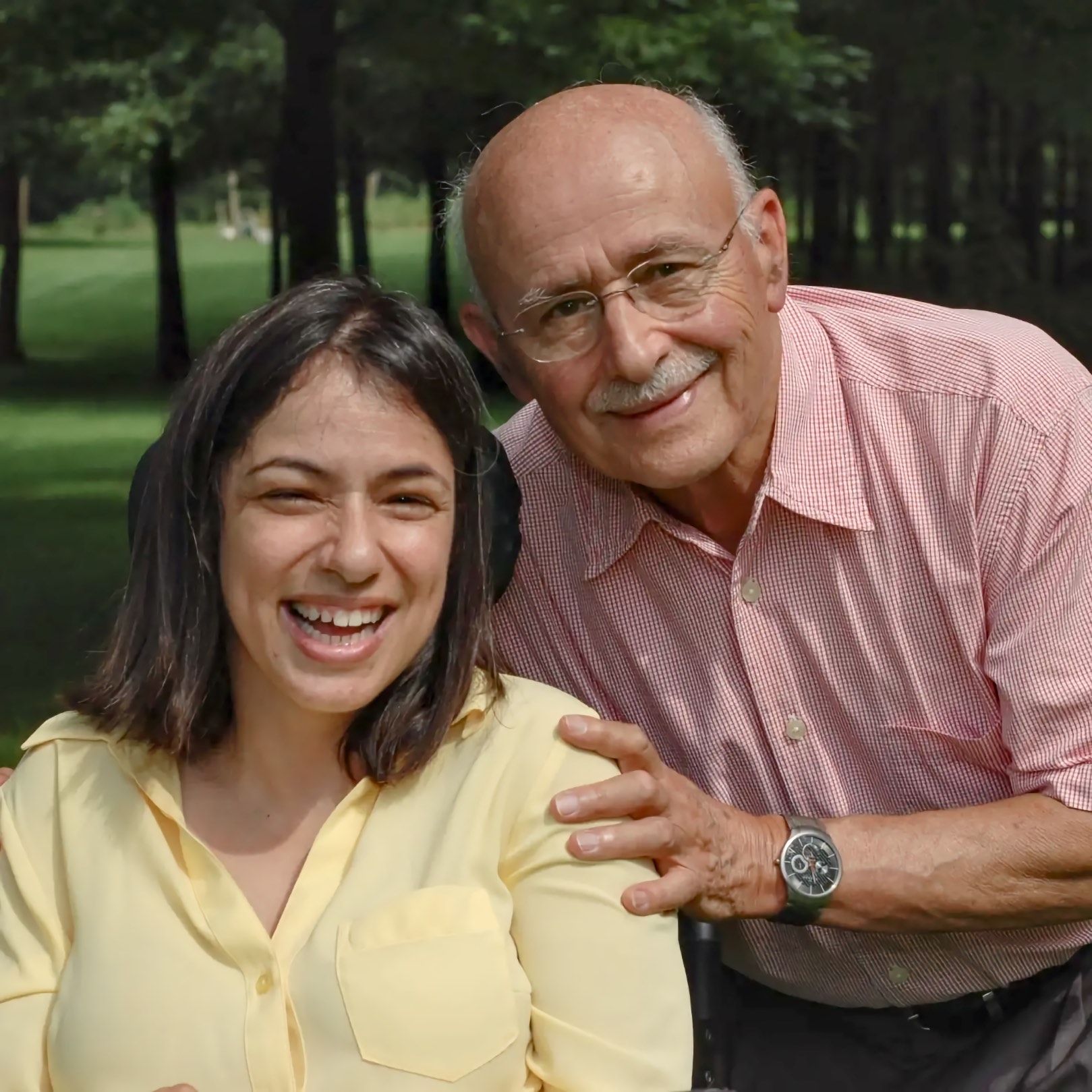
Nadia Ibrahim Mossburg was born three months premature, and her parents spent nearly two years advocating before she received a cerebral palsy diagnosis. She grew up in a Middle Eastern immigrant household shaped by hospitality, where her parents welcomed people of many backgrounds into their home, and at eighteen she turned toward Christianity. Her father worried that the church would draw her away from the family's respect and openness toward others, and she promised him it would not. Across nearly four decades and eight congregations, she formed friendships that lasted decades and knew long stretches where she genuinely belonged. Yet while her colleagues valued the work she did as a senior policy adviser across three federal departments, her faith community, with some exceptions, treated her as a project. Disability, immigrant heritage, and faith ran through her life as inseparable threads.
Ableism inside those congregations rarely arrived as open hostility. Some congregants reached for awkward humor, asking repeatedly whether she had a license to drive her power wheelchair. Others opened with the question she found most anxiety producing of all, asking permission to pray for her, and she learned to decline politely rather than sit through a theology that blames unanswered prayer on a person's insufficient faith. Meal invitations arrived and then went nowhere, leaving her feeling like a project once again. When People with Disabilities meet this steady accumulation with visible frustration, they are labeled angry, though Mossburg offers a different reading, that what registers as anger is often sadness, or exhaustion at being misread and waved off. Her friend Karen had told her years earlier that the institution and the heart of God are not the same thing. Congregations that pray over People with Disabilities rather than listening to them are not offering belonging.
Only one of the eight congregations Mossburg attended ran a disability ministry. A 2019 study found congregations across a wide faith spectrum devoting close to seventy percent of their budgets to staff salaries and day to day operations. The major bodies tracking congregational activity and giving survey churches on politically charged topics and party affiliation while asking nothing at all about disability. Seminaries reproduce the pattern, with most seminary leaders themselves reporting that graduates finish unprepared to bring People with Disabilities into church leadership. The consequences land on families, and nearly a third of families that include People with Disabilities have left a place of worship because they were excluded, while just under forty seven percent stay away from religious activity entirely for the same reason. Educational disparities follow Students with Disabilities into adulthood, unemployment among People with Disabilities runs at more than double the rate of their peers with only thirty eight percent of Americans with disabilities living outside institutions employed, and families absorb the financial, physical, and emotional costs as public systems retreat. What a congregation budgets, what it counts, and what it teaches its future leaders are together the record of what it actually values, and disability is missing from all three.
Capacity was never the obstacle. Faith communities once ran hospitals and orphanages and insisted that every person carried worth in a world that measured worth by wealth and status, which means what Mossburg documents is a failure of will rather than of ability. Openings exist right now, since a small number of seminaries have begun teaching disability, Students with Disabilities entering theological education can find resources for the path, conferences train congregational leaders and members, and the list of churches operating disability ministries keeps growing. Whether any of that matters depends on whether congregations draw on the skills and talents People with Disabilities already bring instead of deciding on their behalf. This is the line Community Builders refuse to blur. Access handed down as generosity, at a moment convenient to the giver, is not inclusion, and Mossburg spent four decades receiving exactly that. Being prayed over is not being consulted. Inclusion and accessibility are not products to be purchased or outsourced to others; they are shared responsibilities, owned personally by each of us and enacted both personally and collectively through decisions made in consultation with People with Disabilities. Her father reached that understanding before many inside the church did, and Community Builders who carry it into every decision are the ones building communities where People with Disabilities are counted as members rather than managed as projects.
Read the Full Article: My Dad Was Worried When I Started Going To Church — But This Is What He Understood Better Than Most.
By: Nadia Ibrahim Mossburg
