
Striving to remove barriers that prevent us from building Vibrant, Diverse, Inclusive, Accessible Communities!
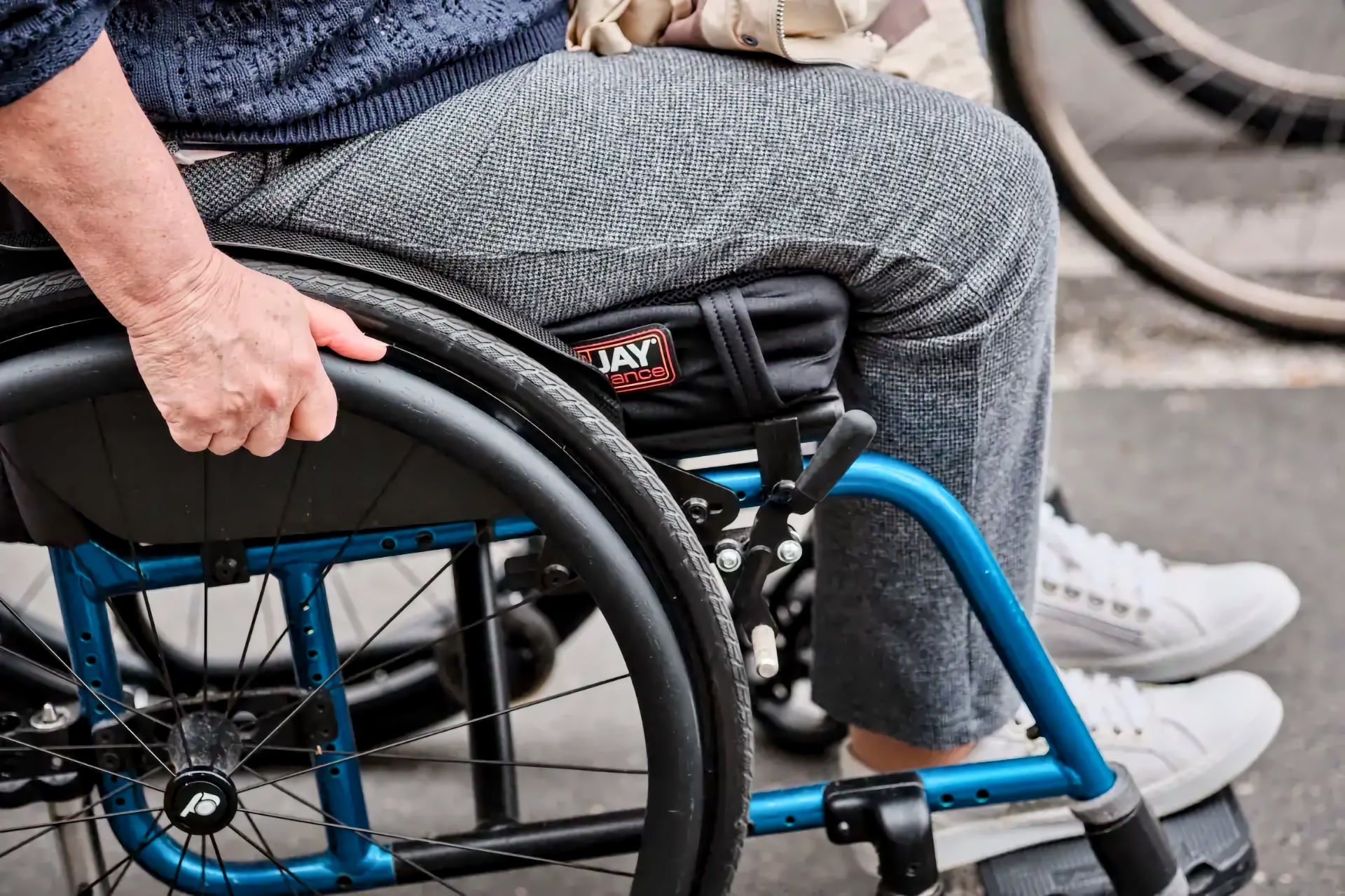
Joni Eareckson Tada opens with Rebecca, a 26 year old woman with cerebral palsy. At a retreat for families, volunteers signed Rebecca up for the children’s group, a mistake Tada says happened all the time. That evening Rebecca cried, “Joni, I don’t have any friends. I’m so lonely.” Tada, founder of Joni and Friends, writes that there are many people like Rebecca. Treating an Adult with a Disability as a child is one of the everyday faces of ableism.
Loneliness is widespread, and Tada writes that it falls with special weight on People with Disabilities, because stigma and inaccessible spaces cut people off. A recent survey of working age Adults with Disabilities in the United States found that more than 30 percent often lacked companionship and as many as 37 percent often felt left out. For some families, isolation means strangers who do not understand an autistic child. For others it means sitting on the sidelines while other children enjoy the carnival rides, which is why welcoming, inclusive, accessible gatherings matter.
Tada was paralyzed in a diving accident at 17 and has lived with quadriplegia for nearly 60 years. At the rehabilitation clinic she noticed that lonely people often turn inward, which breeds more loneliness, so she looked outward and a community grew around her. She quotes Mother Teresa: “Loneliness and the feeling of being uncared for or unwanted are the greatest poverty.” She suggested that Rebecca volunteer at a center for children with cerebral palsy. Rebecca came to love going from crib to crib to hold the infants, the staff reached out to her, and she made lasting friendships. That is service, not charity: Rebecca gave as well as received.
Belonging grows when People with Disabilities are invited to contribute, not only to attend. Tada lists ways to build community, from a quilting, chess or book club to serving as a teacher’s aide, a camp volunteer or a museum docent. She asks readers without disabilities which barriers they can remove so that people like Rebecca can join their favorite activity, and whether they have extended specific invitations to People with Disabilities and their families. Her answer rests on a simple point: inclusion is not something a person earns.
We should remove the barriers that keep People with Disabilities out of the activities we enjoy. We should extend specific invitations to People with Disabilities and their families, and learn from them what would make joining possible. Inviting Members with Disabilities to serve alongside us, as Rebecca did, would move us toward Vibrant, Diverse, Inclusive, Accessible Communities for People with Disabilities.
Loneliness ends where a person is known, invited and counted on.
Read the Full Article: Disability Doesn’t Have To Mean Isolation.
By: Joni Eareckson Tada
Questions for Reflection
- Rebecca, an adult, was placed with the children. When have we treated an Adult with a Disability as a child?
- Who in our community is present in the room yet cut off from friendship?
- Which barriers keep People with Disabilities out of the activities we enjoy most?
- When did we last extend a specific invitation to a Person with a Disability or to a family living with disability?
- Where could members of our community who have disabilities serve, lead or teach, and have we asked them?

Also See:
- America’s loneliness epidemic is even worse for people with disabilities
- How Faith Communities Can Be Inclusive of Believers with Disabilities
- My Dad Was Worried When I Started Going To Church — But This Is What He Understood Better Than Most
- Is Anyone Else Dreading Back-To-School Season Because Your Child Is Misunderstood There?
- I was nine when I learned what ableism is
- My Friend Warned me Not to Move In with a Stranger from an Online Ad, But I Did and got the Surprise of my Life
- Federal Supports Shrink While Congregations Shut Out People with Disabilities
- What is ableism, and what is its impact?
- Inclusion Is Not Something You Earn