
Striving to remove barriers that prevent us from building Vibrant, Diverse, Inclusive, Accessible Communities!
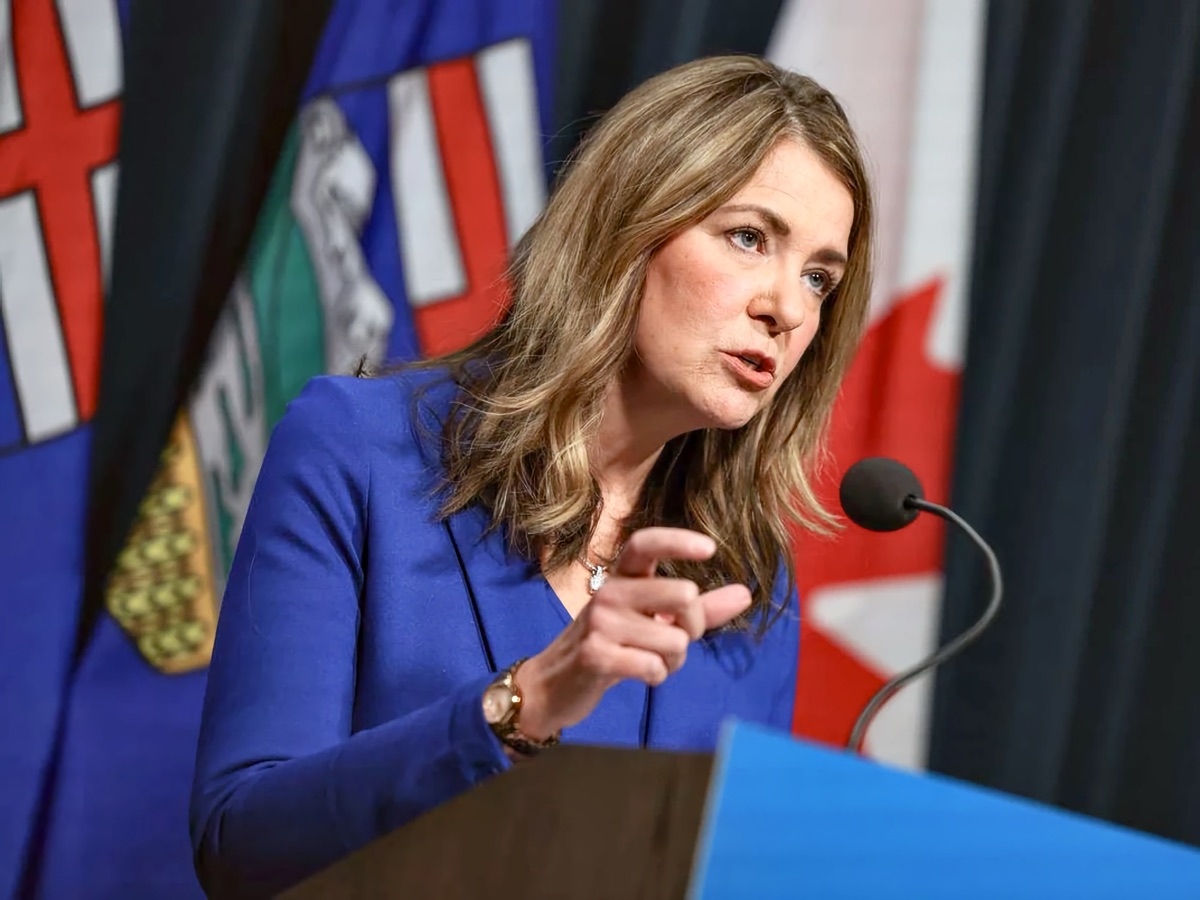
Two scholars from the University of Calgary answer a premier's remark that people can earn their way into inclusion and earn their way out of it again. They call it a troubling reading of disability, because it makes the right of Albertans with Disabilities to take part in public life depend on conditions and leaves it open to being revoked. Inclusion is the floor beneath a just society, not a prize for people who show they comply or fit in. Cast as something to earn, it treats People with Disabilities as citizens whose standing is provisional and never settled.
The authors hold the premier's idea up against human rights, and it fails. The United Nations disability rights convention, which Canada ratified, recognizes that People with Disabilities hold a right to take part fully in society, on equal terms with others. It places inclusion on the ground of dignity and equality, never as payment for good behaviour. Canada's national charter of rights and freedoms points the same way: it recognizes that the citizenship of Canadians with Disabilities comes without strings, and it promises protection and benefit of the law on equal terms, whether a person's disability is mental or physical. Only two provinces have no formal Accessibility Act, and Alberta is one of them, so Albertans with Disabilities lack a platform to speak on the matters that shape their daily lives.
The harm is not hypothetical. Conditional inclusion rests on the ableist idea that a person's worth tracks their productivity and conformity, and People with Disabilities already have their lives weighed by officials deciding who is eligible and deserving. To say a person can earn their way out of inclusion is to say that schooling, jobs, health care, and a place in public life can be taken from anyone who falls short of standards nobody spelled out. Schools show the damage. Across Canada, Students with Disabilities meet bullying and exclusion at unusually high rates, and national data show a large share of them shunned, shut out, or forced from school altogether. Research is clear that the students are never the barrier. Too few resources, too little training, and too little institutional commitment are, and meeting disability as part of human diversity wears away the stereotypes that feed exclusion.
A seat that can be taken back was only ever a loan. The authors turn to critical disability studies, which swaps the usual questions for better ones. Instead of asking who deserves inclusion, it asks why our systems produce exclusion at all. Instead of asking who has earned a place, it asks which barriers we have been unwilling to remove. Their answer calls for lasting commitment in our structures, enough resources, and a change of attitude that treats human worth as inherent. Our own work faces the same test, because access handed out as a favour, on someone else's approval, is still a barrier, and planning with People with Disabilities from the start leaves nobody needing to qualify.
Any place in our own work that makes access wait on proof of deservingness should lose that condition. We should drop every unwritten test and treat a person's place as settled the moment they arrive. With no place left to earn, we would come closer to Vibrant, Diverse, Inclusive, Accessible Communities for People with Disabilities.
Making a place that can never be taken back is how we would keep ours from becoming a loan.
Read the Full Article: Opinion: Inclusion is not something you 'earn'.
By: Alan Martino and Patricia DesJardine, Calgary Herald
Also See:
- What is ableism, and what is its impact?
- Horror movies have an ableism problem. Isn’t it time we found new ‘monsters’?
- Ableism 101: What it is, what it looks like, and what we can do to to fix it
- Intersections Between Racism and Ableism
- How to talk about disability sensitively and avoid ableist tropes
- I was nine when I learned what ableism is
- Anti-Ableism Fast Facts - Ways to Combat Ableism:
- Becoming Anti-Ableist: A Disability Justice- Informed Approach to Supporting the Disability Community
- 8 Ways Ableism Shows Up In Religious Spaces
Questions for Reflection
- Where in our programs, services, or events does a person have to prove something, such as a diagnosis, a record of attendance, or good behavior, before access is provided?
- Which unwritten tests do we apply to People with Disabilities that we never apply to anyone else, and where did those tests come from?
- When a person's place in our community was questioned in the past, who decided, and was that person part of the decision?
- Instead of asking who deserves inclusion, which barriers have we been unwilling to remove, and what has kept each one in place?
- What would change in our planning if we treated every person's place as settled the moment they arrive?
- What evidence would show us, a year from now, that nobody in our community has to earn access?
