
Striving to remove barriers that prevent us from building Vibrant, Diverse, Inclusive, Accessible Communities!
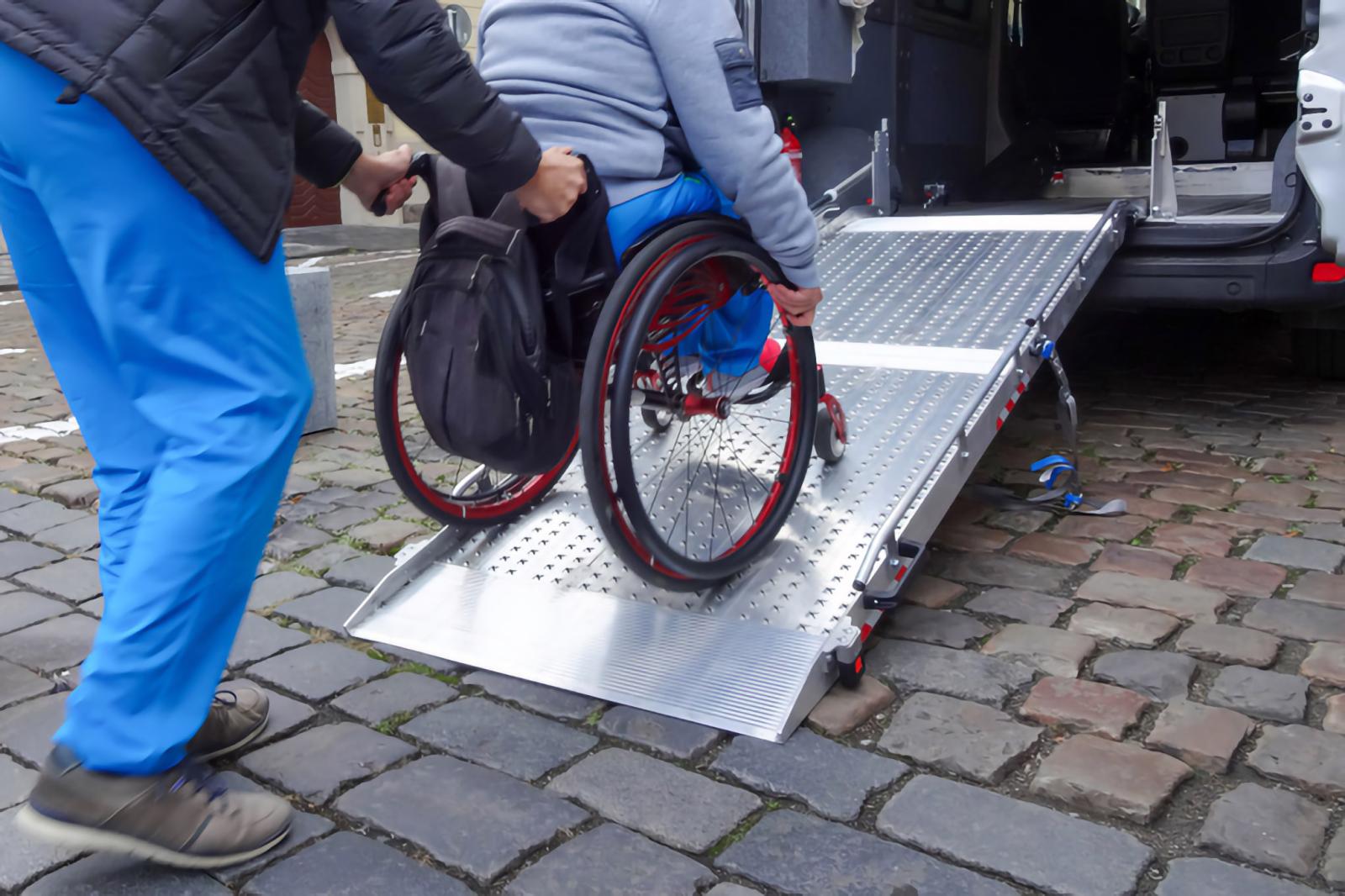
A new study by Matan, a disability inclusion nonprofit, released on the International Day of Persons with Disabilities, found that Jewish organizations lag behind secular ones in making their spaces accessible to people with disabilities, despite intentions to be welcoming. Jay Deitcher reports for eJewishPhilanthropy that the study, “Closing the Inclusion Gap,” gathered surveys, interviews and focus groups in 15 communities across the United States from 2018 to 2025.
In each community, 20 to 25 percent of people identified themselves as People with Disabilities, close to the finding of the Centers for Disease Control and Prevention. Yet under a third of Jewish schools have a learning specialist on staff, and roughly 70 percent of early childhood and congregational schools claim inclusion efforts without any formal policy. Matan executive director Meredith Polsky says many Jewish families have drifted from the Jewish community because of a lack of access, caused not by ill intent but by a lack of structure and attention.
The study found inclusion work is often siloed, folded into broad diversity committees or left to one lay leader, and when that person moves on the role can sit empty. Polsky says disability spans every part of Jewish community life, from neurodiversity and autism to developmental disabilities and mental health, so the work belongs throughout each organization. Many institutions are retrofitting programs and buildings never planned for access, and the report urges budgets for access that will not fall by the wayside, so permanent staff can do the work year after year.
Access is part of a community’s mission, not an act of charity. The report asks organizations to stop treating inclusion as charity and to make it part of the structure their missions rest on: kavod habriyot, the Jewish teaching of honoring human dignity, and b’tzelem elohim, the teaching that each person is made in the image of God. Unlike public schools, Jewish day schools are not legally bound to provide Individualized Education Programs, yet Polsky says the money exists and the first step is to name access as a priority and ask People with Disabilities and their families for feedback. Her advice is not to fear saying the wrong thing: Jewish communities want to do this well, she says, and the gap can be closed.
We should budget for access every year and hire staff to lead it, instead of leaving it to one volunteer. We should ask People with Disabilities and their families what keeps them out, and act on what they tell us. Congregations and schools that live their teachings on human dignity would move us toward Vibrant, Diverse, Inclusive, Accessible Communities for People with Disabilities.
The gap is solvable, and the time to close it is now.
Read the Full Article: New study shows Jewish groups lagging behind secular community on disability inclusion.
By: Jay Deitcher
Questions for Reflection
- Who in our congregation or organization is responsible for access, and what happens if they leave?
- Does our budget set aside money for access every year?
- Which families have stopped coming because of barriers we have not removed?
- How do our teachings on human dignity show up in our buildings, programs and schools?
- When did we last ask People with Disabilities and their families for feedback?

Also See:
- Disability inclusion is Jewish inclusion — and we’re not done yet
- From intention to expectation: The next phase of Jewish disability inclusion
- Disability inclusion is ‘outside our scope’? Think again
- Want to take inclusion from principle to practice? The JCC movement shows what's possible
- A new curriculum brings adults with intellectual disabilities into the heart of Jewish learning
- Charity vs. Service: Do You Actually Know the Difference?
- My Dad Was Worried When I Started Going To Church — But This Is What He Understood Better Than Most
- Nashuva’s Jewish Disability Awareness and Inclusion Shabbat