Explore More Compelling Insights:
Learn about topics related to People with Disabilities, Accessibility, Anti-Ableism, Removing Barriers, and the Disability Community? Tap the Explore button to discover something new and intriguing with each tap!

Syren Nagakyrie picks five national parks, Great Smoky Mountains, Redwood, Sleeping Bear Dunes, Mammoth Cave and Yellowstone, that stand out for paved trails, tactile exhibits, Braille materials, wheelchairs to borrow and American Sign Language interpreters.
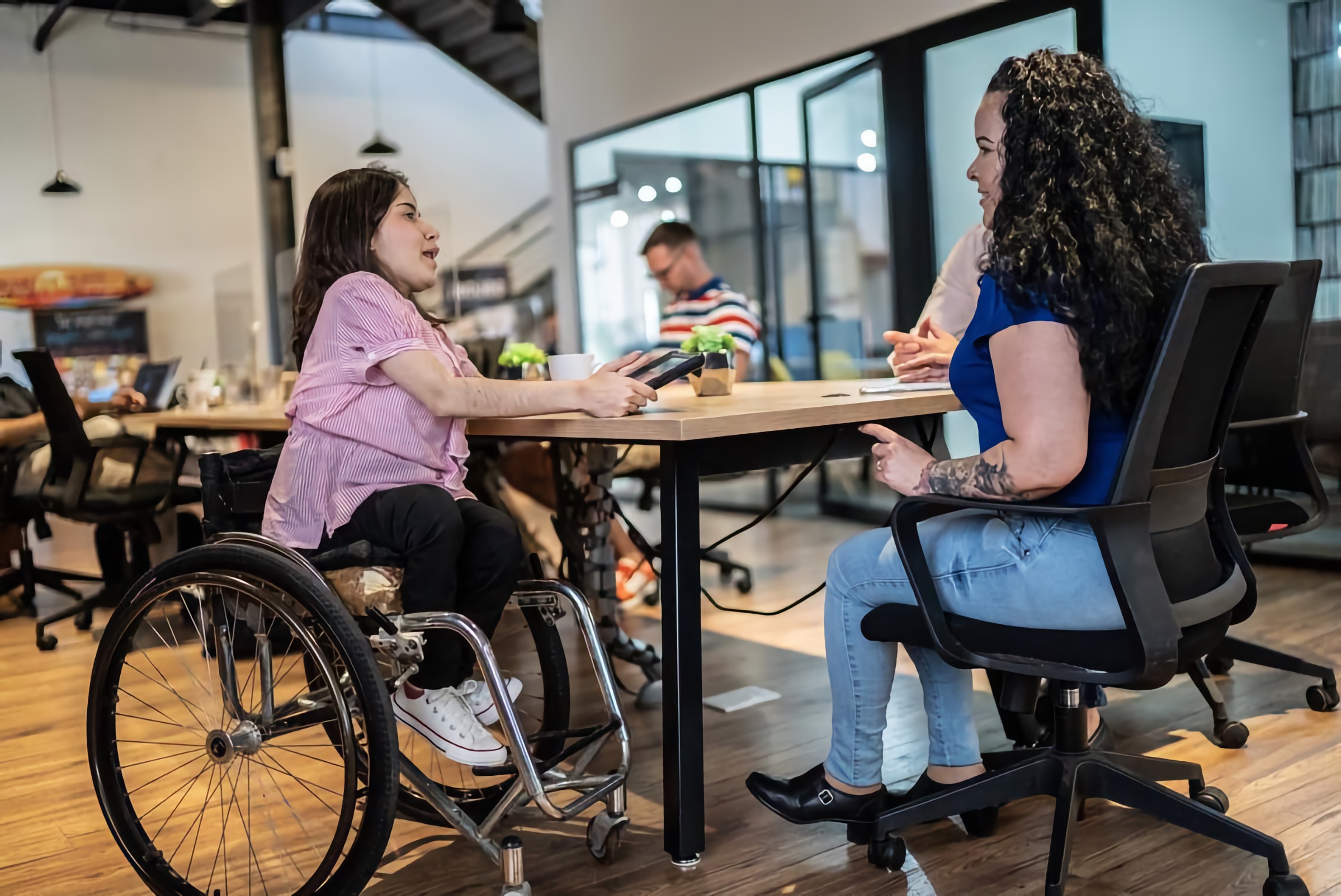
Keely Cat-Wells sets out five steps employers can start now to open their workplaces to disabled workers: job postings that ask only for the skills the work requires, an application process and career website that a screen reader can use, access for interviews offered before anyone asks, onboarding that is accessible from the first day, and training led by disabled professionals all year. In 2025 only 22.8 percent of People with Disabilities in the United States held a job. Workplaces built on the social model of disability would make room for Vibrant, Diverse, Inclusive, Accessible Communities for People with Disabilities.
5 Takeaways From Screen Reader Usability Interviews | Jess Budd | Senior Front-End Engineer Specializing In Web Accessibility Editor: This article does an absolutely extraordinary job describing how screen reader users interact with websites. | Jess Budd: Earlier this year I worked on the re-development of my workplace's primary website navigation. We went from a simple, single-tier nav with no drop-downs to a two-tier nav with a drop-down mega menu. I was pretty confident we were ticking the major boxes of complying with the Web Content Accessibility Guidelines (WCAG), but I also know that…

Too many teams still tack on accessibility at the end—then wonder why forms fail, links confuse screen readers, and images hide meaning. This piece shows how that “afterthought” mindset quietly bleeds revenue and trust, and why making fixes part of the workflow pays off. For quick context on the broader landscape, see why digital accessibility must be a next priority. Mobile is where customers decide fast—so small touch targets, low contrast, and unlabeled buttons are conversion killers. You’ll get a practical snapshot of what to prioritize first (think input labels, focus order, and readable…

Fifty years of progress for the Individuals with Disabilities Education Act (IDEA) “may be at risk.” The first danger named is a proposed move of the Office of Special Education from the U.S. Department of Education (DOE) to the U.S. Department of Health and Human Services (HHS), which speakers say “would change the goal which is education access to a medical model” and “sends the message our students are ill and need to be cured instead of educated fairly.” The article details pressure to separate children from classmates. A proposal to study “centralizing” special education in “one or a few…
Learn about topics related to People with Disabilities, Accessibility, Anti-Ableism, Removing Barriers, and the Disability Community? Tap the Explore button to discover something new and intriguing with each tap!