
Striving to remove barriers that prevent us from building Vibrant, Diverse, Inclusive, Accessible Communities!
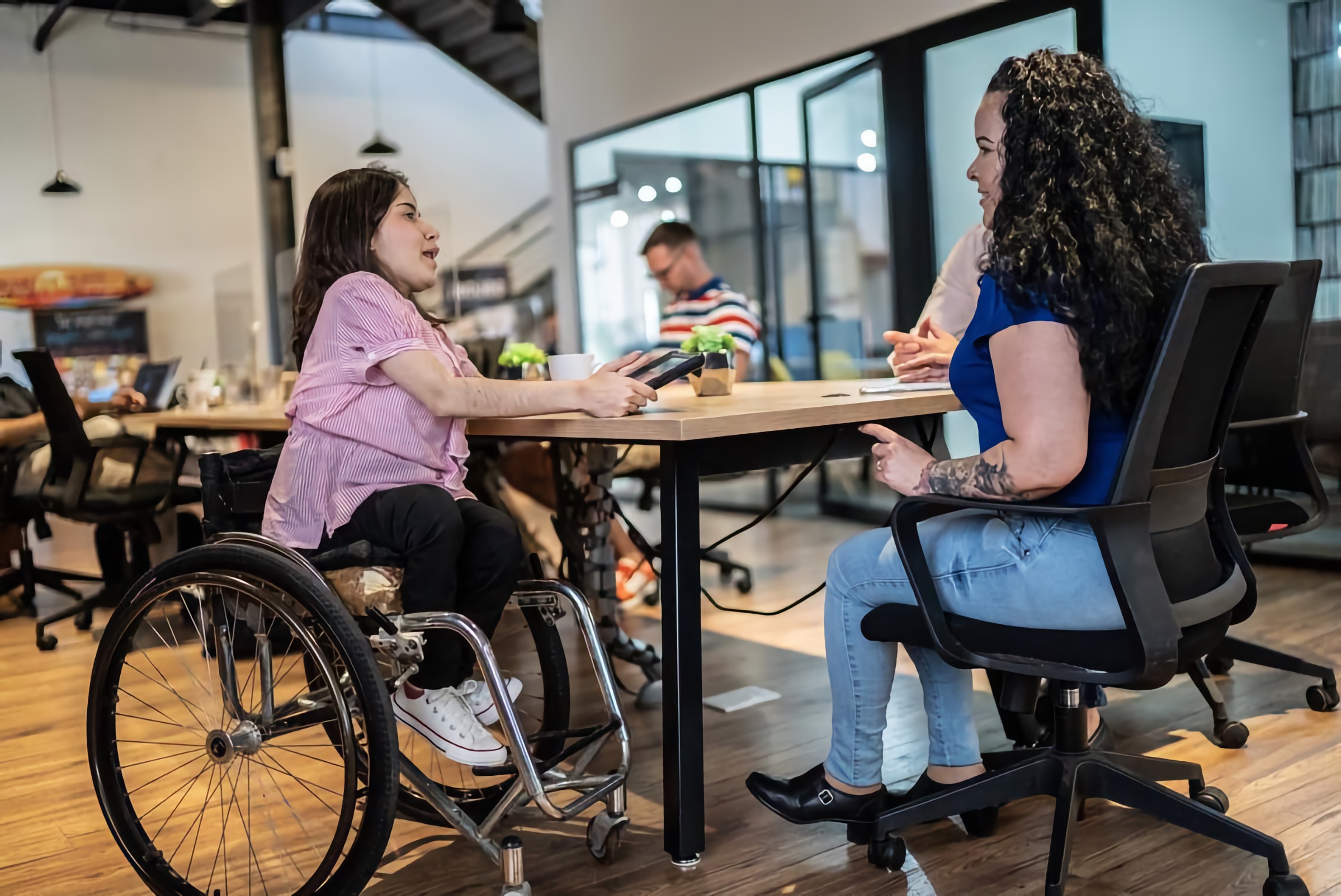
Each October, the United States holds a national observance known as Disability Employment Awareness Month. It began in 1945 as a week set aside by Congress to promote hiring Veterans with Disabilities home from World War II, and in 1988 it grew into a month that honors Workers with Disabilities of every kind. In Forbes on 25 September 2025, Keely Cat-Wells sets out five steps employers can start now to open their workplaces to Workers with Disabilities. Each step follows the social model of disability: the barrier sits in the workplace, not in the person.
The gap the steps address is wide. Federal health data from the CDC count about one in four American adults as disabled, yet the Bureau of Labor Statistics found that in 2025 only 22.8 percent of People with Disabilities held a job, against 65.2 percent of people with no disability. The World Health Organization puts the number of People with Disabilities worldwide at 1.3 billion, and she cites research from Accenture that links disability inclusion to higher revenue and profit. An employer that shuts out Workers with Disabilities loses skilled staff and a large market of customers. Employers that track their own policies can measure them with the Disability Equality Index.
The first steps remove barriers at the door. Job postings should drop requirements the work does not need, such as a set number of years or a vague degree, describe the skills and results the job calls for, replace slang such as “rockstar” with plain words, and state the employer’s commitment to access, including the changes a worker requests. Application portals that a screen reader cannot use, or that add needless steps, shut out qualified candidates before they apply, so she calls for an access audit of the career website and the hiring process. Employers should offer access for interviews before anyone asks, such as captioning, other ways to communicate, accessible meeting places or the questions sent ahead, ask the same questions of each candidate and use tests of skills that show more than a résumé.
The last steps make access the default once a person is hired. Onboarding systems and materials should be accessible from the first day, and every new hire should get an access guide that lists the access options on offer: flexible hours, ergonomic equipment and quiet, low sensory spaces. Managers learn to notice what a worker requires without pressing anyone to disclose, and the employer asks each person what they require in order to succeed. Training on bias, access tools and communication continues year round, led by Professionals with Disabilities, with feedback from candidates and staff that names each barrier still standing, part of the work of naming ableism.
We should read our own job postings, application forms and onboarding materials the way a Candidate with a Disability would and remove every barrier we find. Every person who hires for our community should ask Colleagues with Disabilities what they require in order to succeed and act on what they tell us. Workplaces like these would make room for Vibrant, Diverse, Inclusive, Accessible Communities for People with Disabilities.
A hiring process that is accessible from the first posting to the first day lets Workers with Disabilities show what they can do.
Read the Full Article: 5 Practical Steps to Advance Disability Inclusion.
By: Keely Cat-Wells
Learn More
- Persons with a Disability: Labor Force Characteristics, 2025, U.S. Bureau of Labor Statistics, 3 March 2026.
- As the ADA Celebrates Its 34th Anniversary, Digital Accessibility Must Be Our Next Priority
Questions for Reflection
- When did we last read one of our job postings or volunteer calls as a Candidate with a Disability would, and which requirements does the work not need?
- Can a screen reader user complete our application forms and reach our career or volunteer pages on their own?
- Do we offer access for interviews and meetings before anyone asks, or do we wait for a person to disclose?
- What does a new member or employee with a disability find on the first day: accessible materials and a list of access options, or barriers to report?
- Who leads our training on disability and access, and how many of those leaders are disabled?
- When did we last ask a Colleague with a Disability what they require in order to succeed, and what did we change after hearing the answer?

Also See:
- Building Inclusive Futures: National Disability Employment Awareness Month
- Rethinking Work On International Day Of Persons With Disabilities
- 2024 Disability Equality Index Report
- Woman using wheelchair ticks "no disability" for new job—shares boss' reaction
- The Harsh Truth About Disability Inclusion
- What CEOs Are Learning About Disability Inclusion At Work
- Why Being Inclusive is Good for Business, Not Just Good to Do
- As the ADA Celebrates Its 34th Anniversary, Digital Accessibility Must Be Our Next Priority
- Opinion | America is abandoning people with disabilities It doesn’t have to be this way.