



Explore More Compelling Insights:
Learn about topics related to People with Disabilities, Accessibility, Anti-Ableism, Removing Barriers, and the Disability Community? Tap the Explore button to discover something new and intriguing with each tap!
October is presented as a time for school leaders to celebrate disability diversity and recommit to inclusive school culture. The piece highlights both visible and non-apparent disabilities and encourages a month-long focus on belonging, with an emphasis that accessibility is critical to community life. A central thread is National Disability Employment Awareness Month, which the author connects to daily leadership practice. Concrete actions include inclusive hiring, ensuring accessible classrooms with adaptive technology, expanding career readiness and work-based learning for students with…
Remember history. Advance equality. Celebrate accomplishments. Formerly known as Meet the Blind Month, the National Federation of the Blind celebrates the organized blind movement during October. Throughout the month, our members conduct a variety of outreach activities in their local communities. Many of these activities center on White Cane Awareness Day which is October 15.
A woman who is an amputee, an adaptive athlete with no right hand, was cited by a sheriff's deputy for holding a phone in her right hand as she drove, and when she raised her arm to show she has no right hand he still refused to drop the charge. This is how People with Disabilities are pushed aside by those who would rather defend their own authority than acknowledge the truth, a pattern that research shows measurably lowers the wellbeing of People with Disabilities across daily life. People with Disabilities must be heard rather than overruled, and Community Builders share a collective responsibility to remove these barriers and to let People with Disabilities speak for themselves.
Charles Innes shares a remarkable journey of perseverance and triumph in his article, "On Becoming a Commercial Realtor: A Blind Person’s Pathway out of Poverty and Penury." In his seventies, Innes reflects on his thirty-one years as a licensed commercial realtor in Maryland, highlighting the challenges and triumphs he faced along the way. From the depths of unemployment and reliance on welfare to the heights of professional success, Innes's story is one of resilience and determination. In his narrative, Innes recounts the pivotal moments that shaped his career, from failed ventures to…
National Indigenous Times reports that The Deadlys—Deadly First Nations Shout Out—have released “Being Deadly,” a documentary centering First Nations people with intellectual disabilities and acquired brain injury; members insist they must “be seen, be heard,” and to “stand up and speak up for Disability and Culture,” asserting cultural pride and leadership against exclusion. The piece names structural harm: Aunty Jane Rosengrave describes being “locked up” from six months old to 21 and says this still happens to kids today; the group also addresses “racism and discrimination,” forced…
For fifty years, the U.S. moved from warehousing people with intellectual and developmental disabilities toward community life, but cracks are widening again as supports stall and expectations are lowered; confronting systemic ableism in how services are designed and managed is part of moving forward. Community living rises or falls with the people who make it possible: direct support professionals, educators, and clinicians; rebuilding and respecting this workforce with training, pay, and a real career path is a practical step to advance disability inclusion so individuals can live, learn…
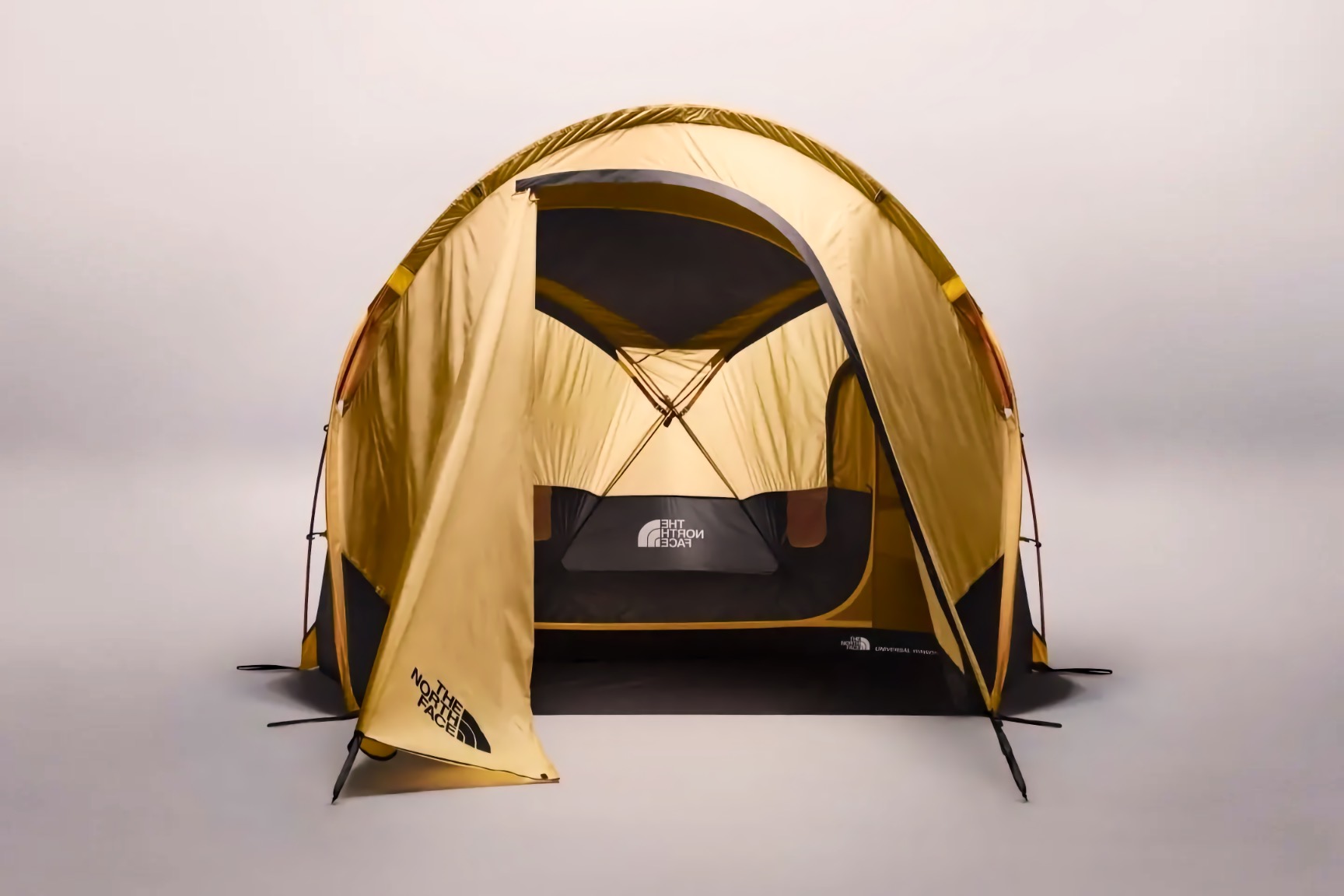
For People with Disabilities, every outdoor trip has long carried a hidden labor that others never see: the work of adapting gear that was never built for their bodies. The North Face Universal Collection confronts that failure by bringing adaptive athletes in as collaborators from the start, producing items like a daypack with magnetic closures, a sleeping bag with no zipper, and an accessible tent that spare People with Disabilities the workarounds they once had to manage alone. People with Disabilities are the world's largest minority yet remain among the least represented in outdoor marketing and in the rooms where products are designed; real inclusive design depends on their voices shaping the decisions, a responsibility Community Builders own personally and carry out together.
Near Wooster in rural Wayne County, IncludeAbility operates a barn-based lending “library” that provides ramps and mobility gear to local residents. Founder Julie Hartzler started the nonprofit after her daughter Michaela was born, and the program now serves neighbors who need temporary or occasional access to adaptive equipment. The lending shelves inside the barn hold walkers, lifts, portable ramps, reading machines, and wheelchairs for hiking, basketball and daily use. Residents complete an online form to borrow items at no cost, and those who can’t travel can request delivery…
Learn about topics related to People with Disabilities, Accessibility, Anti-Ableism, Removing Barriers, and the Disability Community? Tap the Explore button to discover something new and intriguing with each tap!