Explore More Compelling Insights:
Learn about topics related to People with Disabilities, Accessibility, Anti-Ableism, Removing Barriers, and the Disability Community? Tap the Explore button to discover something new and intriguing with each tap!

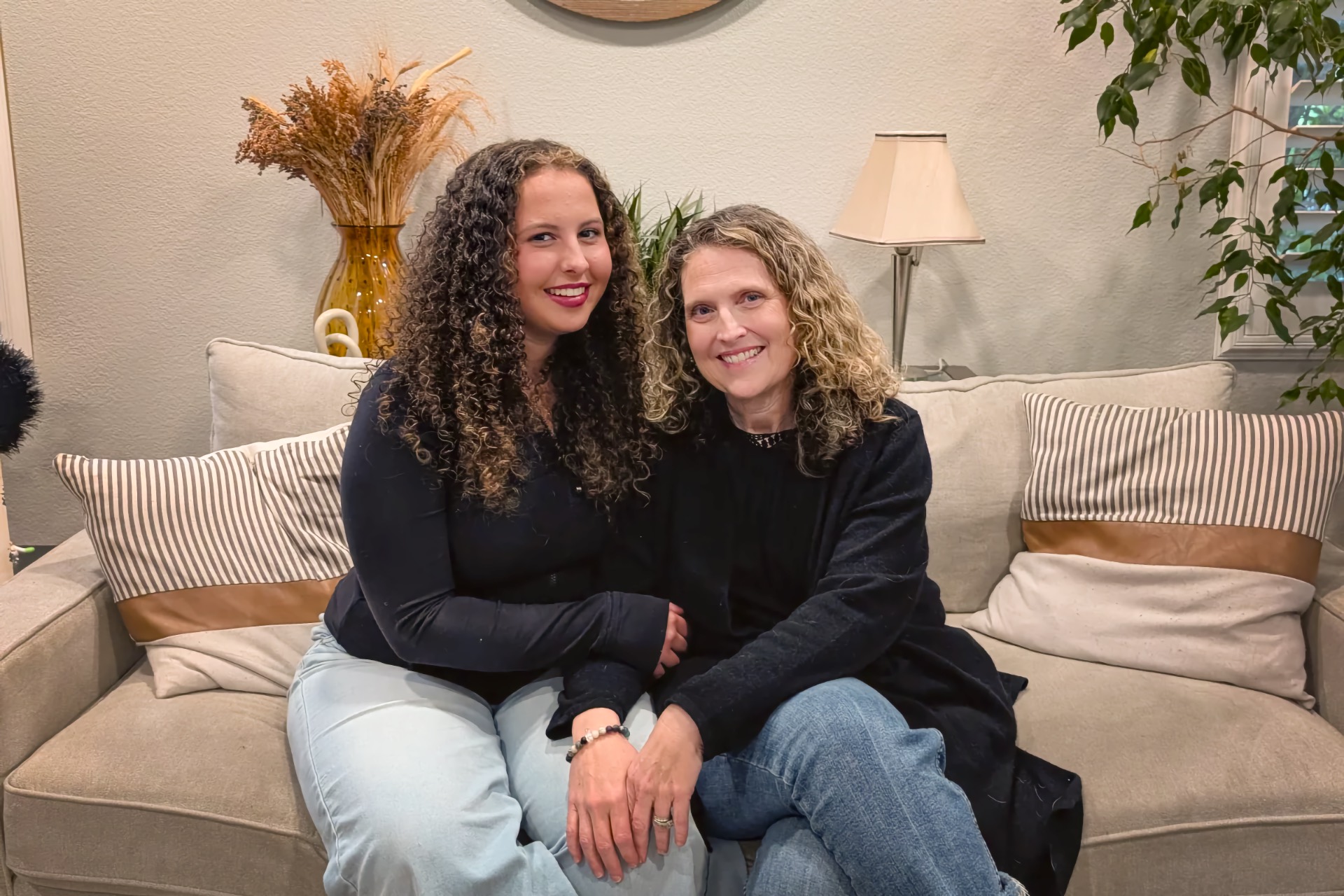
In his 2024 keynote to the International Council on English Braille, in the year the code turned 200, Jonathan Mosen traces Braille from its true beginnings with Charles Barbier and Louis Braille, through the American war of the dots, to Unified English Braille. He calls on Blind people to claim their right to write and read, and on governments to fund teachers and tools, the work of Braille literacy. Braille for every reader who wants it would make room for Vibrant, Diverse, Inclusive, Accessible Communities for People with Disabilities.
Access technology transformed school for Soraya Martin, a ninth grader with dyslexia who had felt shut out, yet a fast moving national push to ban screens threatens that same access technology for the more than eight million Students with Disabilities who rely on it to read, write, and take notes, even as the federal office defending their rights is hollowed out and they are shut out of the very decisions that will determine whether they can take part in their own education.

Brett Boyer, a technology instructor at the Colorado Center for the Blind, argues that screen readers should be taught the way Structured Discovery teaches cane travel: orientation and problem solving instead of memorized keystrokes, so Blind students can recover when nothing looks familiar.

A new study reported by Forbes warns that self-driving car design still contains major accessibility blind spots—gaps that could exclude People with Disabilities, especially Blind/Low Vision riders, from safe, confident participation in everyday mobility. At its core, the message is simple: Accessibility is critical for the world's disability community, so autonomous vehicles must be co-designed with disabled riders from curb to interface—covering trip planning, hailing, boarding, seating, restraint operation, and clear nonvisual feedback. Researchers highlighted that disabled and…

Karla Gilbride, a distinguished attorney, shares her journey of removing barriers and fighting against injustice as a blind woman in the legal field. Her remarkable achievements include arguing a case before the United States Supreme Court, a feat rarely accomplished by any attorney, let alone a blind one. Despite facing doubts and problems, Gilbride's determination, strengthened by her stubborn streak and strong blindness skills, propelled her forward. Her story sheds light on the importance of advocating for equal rights and removing structural barriers that prevent justice. Gilbride's…
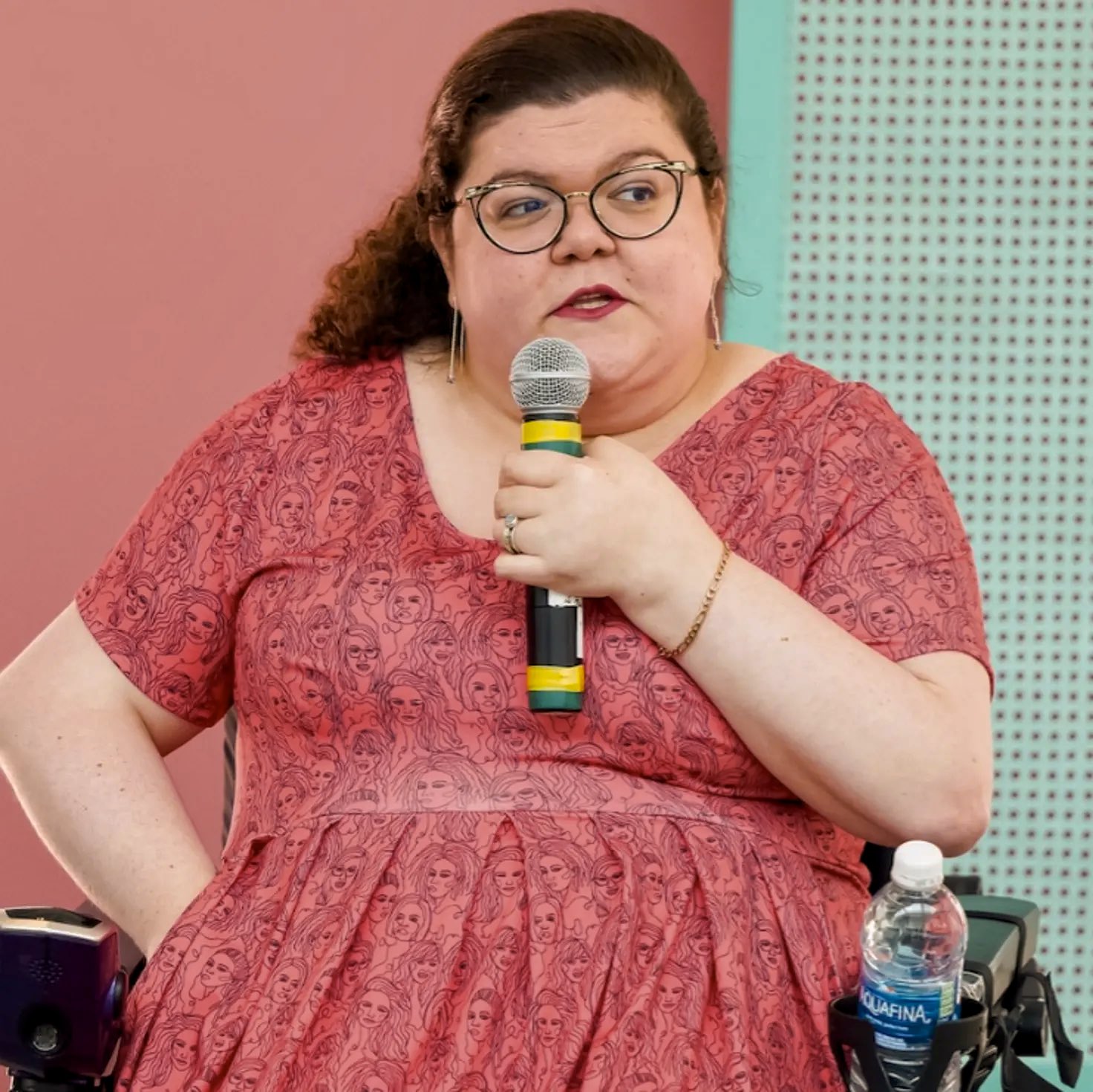
Disability activist and author Emily Ladau first spoke about disability on Sesame Street at age 10, and her new edition of Demystifying Disability lands as disability rights are being rolled back. She treats disability as part of her identity, answered an airline's damage to her wheelchair by making it sparkle, and warns the Individuals with Disabilities Education Act (IDEA) has never been fully funded while protections for disabled students slip further. Her guidance on allyship is direct: ask each disabled person what they want, because one disabled person cannot speak for every other.

Emma Doherty found a note on her car accusing her of misusing a disabled parking space. Her reply on Facebook, about her terminally ill son Bobby, reminded thousands of people that not every disability can be seen.

A California family’s lunch turned into a reminder that removing communication barriers is everyone’s job. When a cashier at a busy counter noticed a young customer was communicating in American Sign Language, he met the child in his language instead of expecting the child to adapt. Callie Foster describes how her son Luca was identified with hearing loss as an infant and how their family committed to language access from the start. Learning ASL together wasn’t instant or perfect, but each new sign strengthened connection at home and centered Luca’s identity rather than the barrier. That…
The Shining Lamp is committed to providing an accessible digital experience for People with Disabilities. Guided by principles of justice, equity, and unity in diversity drawn from the Bahá'í Faith, we are committed to removing barriers caused by Ableism so that Blind/Low Vision users, people who use access technology such as screen readers, and others with disabilities can participate in our community. Accessibility is not optional or charitable. It is essential to human dignity, belonging, and inclusion. Standards Used We follow the Web Content Accessibility Guidelines (WCAG) 2.2, Level AA…

Angela Poe Russell’s reflection on the state of sidewalks in her community highlights how infrastructure affects People with Disabilities. Her personal experience, inspired by a friend's use of a wheelchair due to Multiple Sclerosis, reveals severe mobility barriers within neighborhoods often deemed "walkable." With only half of the sidewalks meeting ADA standards, many People with Disabilities face significant obstacles that prevent them from reaching their destinations, emphasizing the need to remove these barriers. Angela also points out seasonal barriers like overgrown vegetation, which…

Deaf and Hard of Hearing people are shut out of live music when concerts are built around hearing-only access, and the article shows how deaf and hard-of-hearing audience members get real access when interpretation is treated as a basic right, not a bonus. At major events like the New York State Fair, Lollapalooza, and the Super Bowl, Amber Galloway and Julian Ortiz interpret live music so Deaf community members can follow what’s being sung and performed instead of being left to guess.
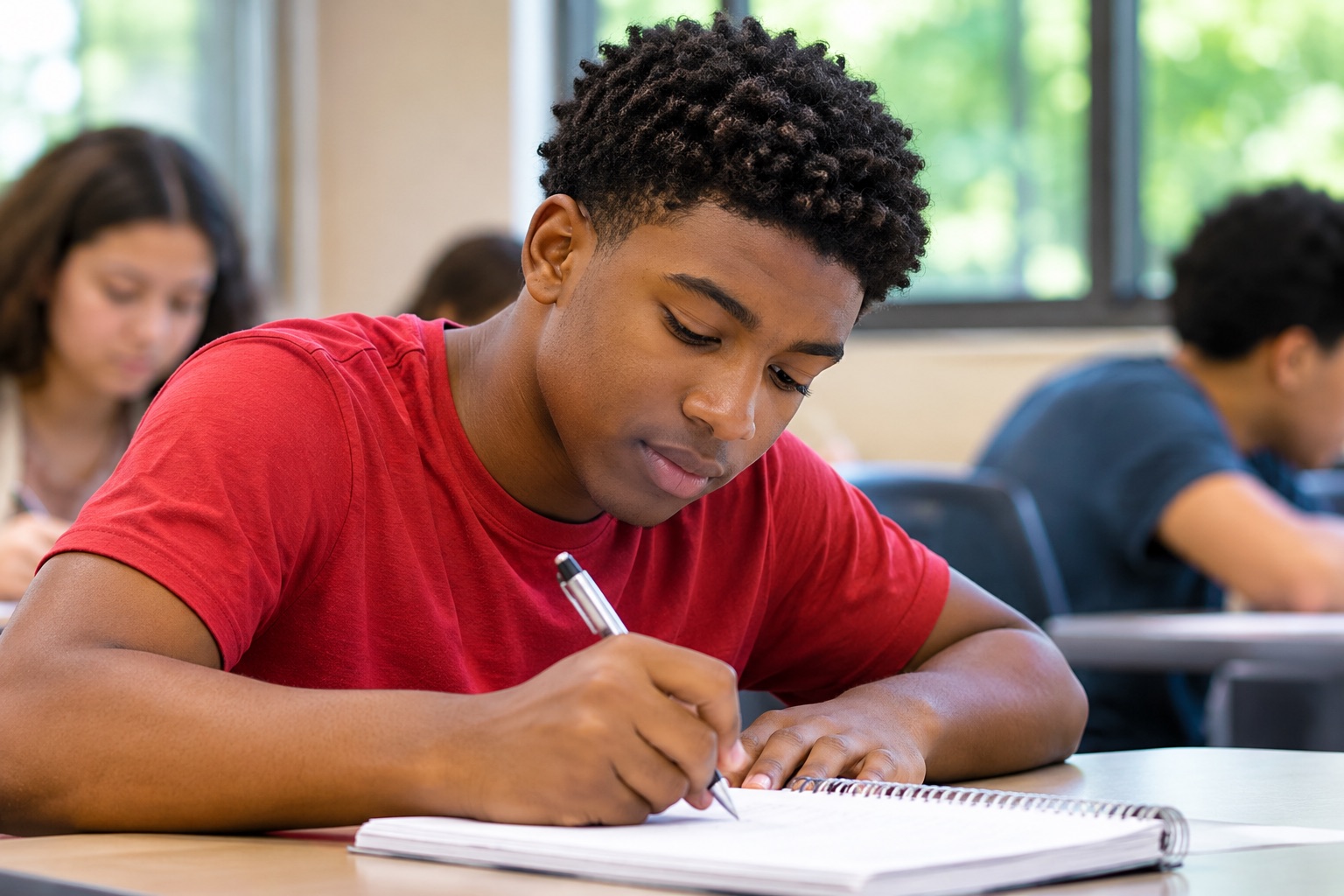
A 2020 brief from the National Center for Learning Disabilities shows students of color, and students from families with low incomes, identified for special education, set apart in restrictive classrooms and disciplined at far higher rates than their classmates, harm that inclusive classrooms and fair discipline would prevent. It calls for bias audits, training that respects language and culture, ties with families and a more diverse teaching staff, steps against systemic ableism. Schools held to these practices would make room for Vibrant, Diverse, Inclusive, Accessible Communities for People with Disabilities.
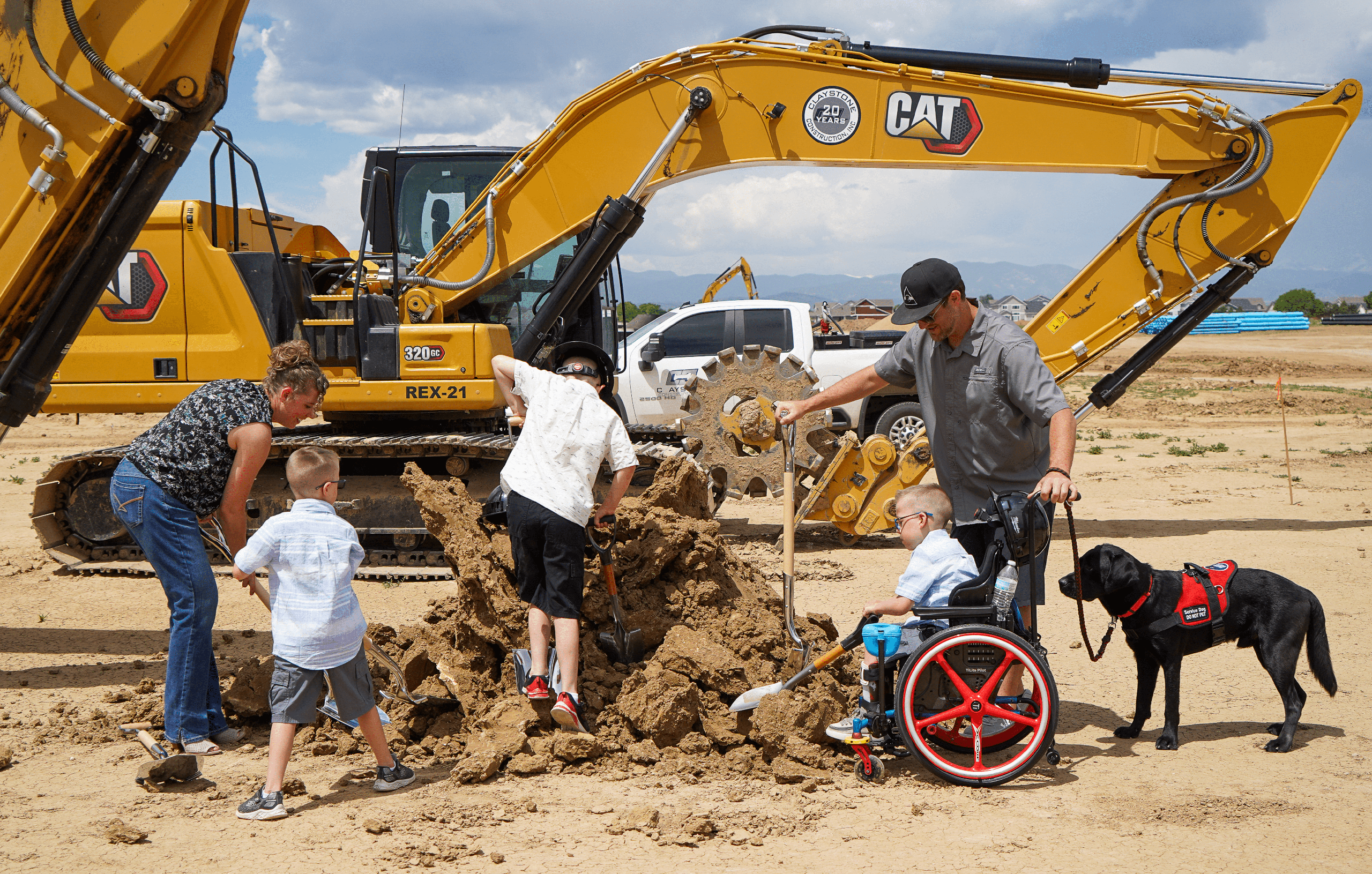
In small towns across Colorado, significant progress is being made in creating playgrounds that truly include Children with Disabilities. The Berthoud Adaptive Park Project stands out as a prime example, with its groundbreaking inclusive design that promises to be a game-changer for the community. By integrating accessible surfaces and equipment like adapted swings and monkey bars, Berthoud is setting a new standard for inclusive playgrounds. This initiative reflects the power of community-driven efforts and highlights how dedicated advocacy can lead to the removal of barriers, fostering…

“Nothing prepared me,” writes Kristen Boucher — a special-education teacher who taught “from birth to age 26” in urban and suburban districts — as she faces the system **as a parent** and is shocked by “how many laws were being overlooked.” That jolt pushes her to “advocate for change” with the Michigan Education Justice Coalition so families have the information, resources, and support they need. On the 50th year of the Individuals with Disabilities Education Act (IDEA), she recounts sitting “on the other side of the table” and not being treated as an equal partner. Parents need an “equal…

Sa’diyya Nesar, a Hong Kong author and TEDx speaker who uses a wheelchair, writes to clear misconceptions about disability and works with public bodies and community groups on inclusion. She was a finalist in the perseverance category of the 2025 Spirit of Hong Kong Awards, and she says inclusion begins by talking to People with Disabilities, the first of the steps that advance disability inclusion.
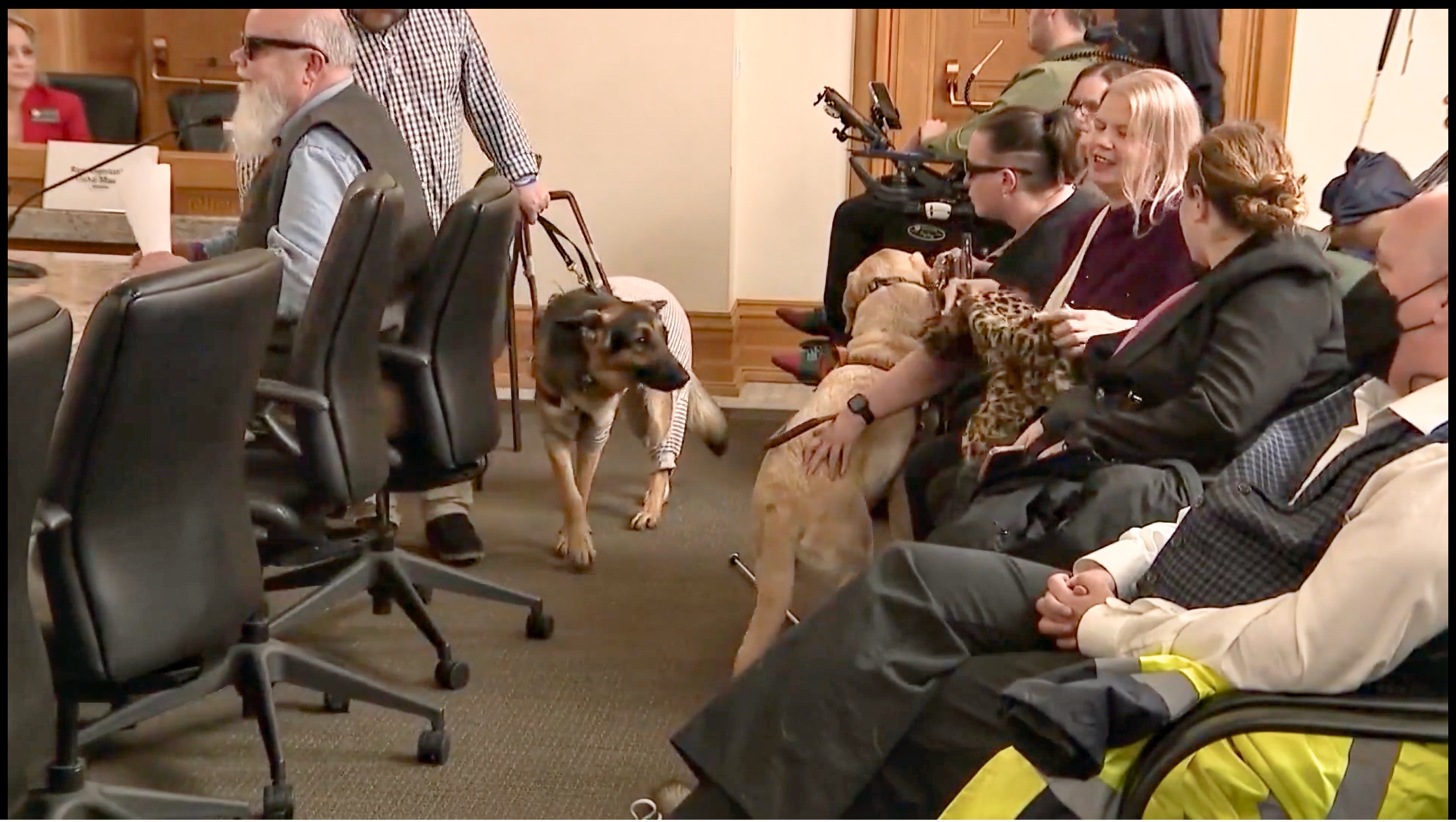
Colorado lawmakers moved HB26-1043 forward when the House Business Affairs and Labor Committee passed it out of committee, a step meant to increase penalties for transportation network companies, or rideshare companies, when drivers discriminate against people with disabilities. The point is simple: discrimination in transportation isn’t a minor inconvenience—it blocks basic access and puts People with Disabilities at risk when they are trying to get home, get to work, or move through public life like everyone else. The hearing centered the lived reality of Blind/Low Vision People who rely on…

Stephen Hawking’s speech computer brought computer-generated voices to global attention; this article describes a system that goes further by showing a lifelike on-screen version of the person speaking in their own voice. A wheelchair-mounted setup uses two displays: a control screen in front and a second screen above the chair that shows the speaking avatar with natural expressions, tone, and inflection. The software is trained on each person’s personality and experiences, including prior messages and chats, so suggestions align with how they communicate. During conversation, a microphone…
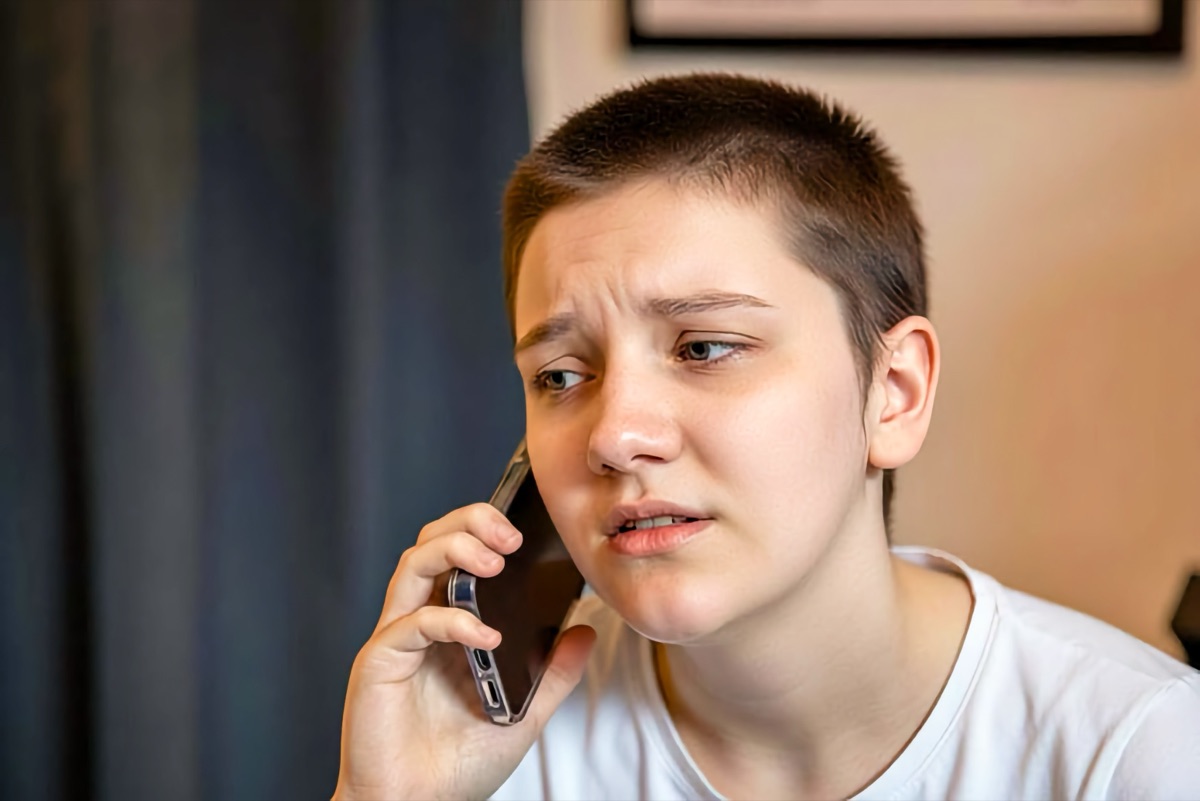
A teenage wheelchair user emailed a store about product displays blocking the aisles and got a shoplifting accusation back, tied to a branch the teen had never visited, with a wheelchair seen that week as the only evidence. The apology was a ten dollar credit, and the employee lost her job. With about 27 percent of American adults having a disability, treating one wheelchair as a description of a person is ableist logic, not evidence. A person who reports a barrier is showing us what to remove, and the barrier is what should go. We should start with the next program, service, event, or communication in planning.
Learn about topics related to People with Disabilities, Accessibility, Anti-Ableism, Removing Barriers, and the Disability Community? Tap the Explore button to discover something new and intriguing with each tap!