
Striving to remove barriers that prevent us from building Vibrant, Diverse, Inclusive, Accessible Communities!
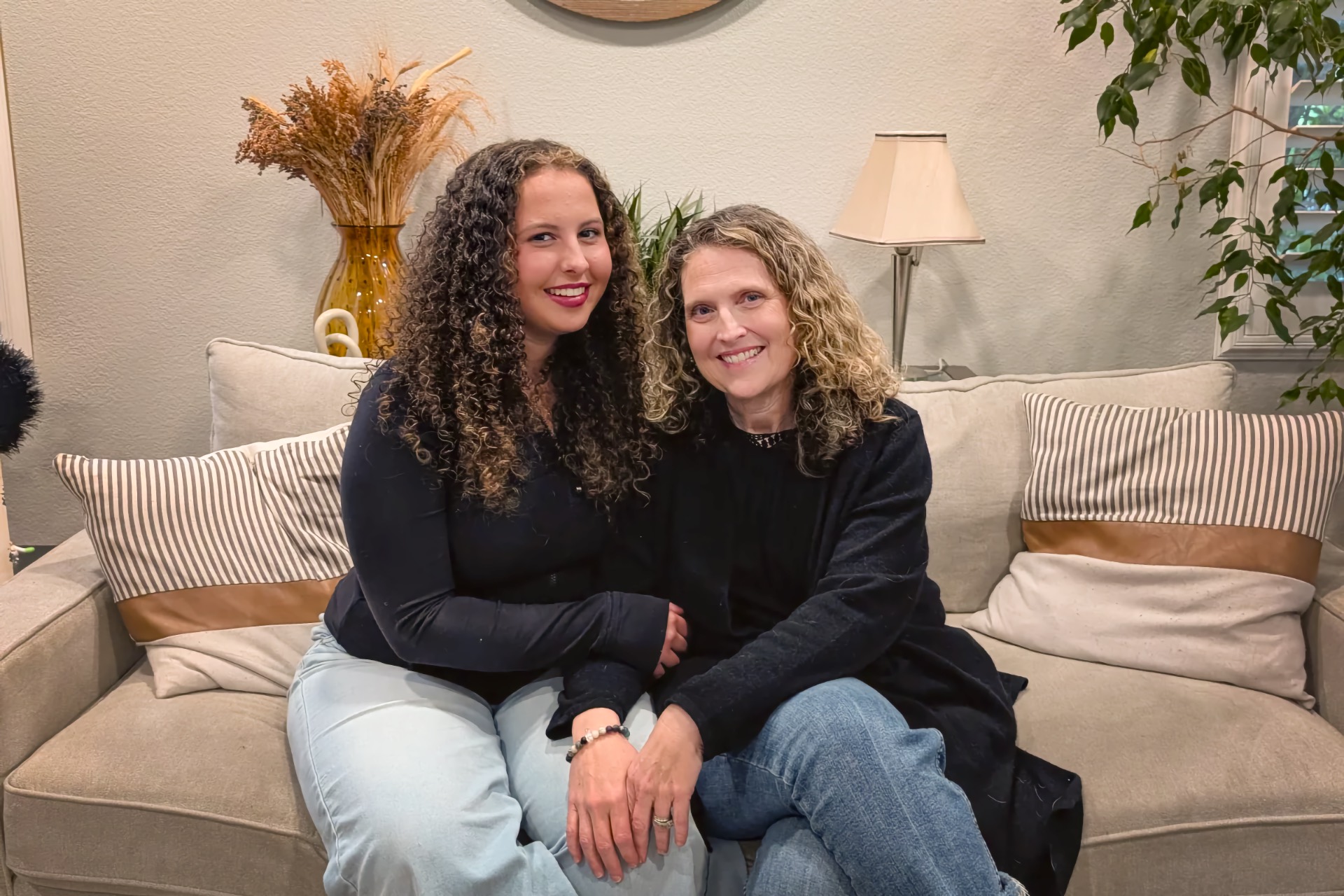
Soraya Martin, a ninth grader in Concord, California, loves to write stories, but for most of her life the act of putting words on a page left her feeling shut out, because she has dyslexia. Everything shifted when she began using access technology on her school laptop. She could speak her ideas aloud rather than typing them, have books read to her instead of straining over a printed page, and capture board notes with her phone. She earned the best grades of her life, stopped seeing herself as incapable, and started trusting that she belonged in school. For a student whose disability had turned the ordinary tools of a classroom into obstacles, this technology was not a convenience; it was what finally let her be heard.
More than thirty states have already locked cellphones out of their schools, and some are moving to pull laptops and tablets out of classrooms altogether, a sweeping shift driven by parents worried about how screens affect learning and by a federal advisory warning of harm from screen use. Lost in that momentum is one group of students entirely. More than eight million Students with Disabilities attend the nation's schools, a population that keeps growing, and many of them depend on access technology to read, write, and take notes, removing the barriers their disabilities would otherwise impose on an ordinary school day. Blind and Low Vision students use software that reads the screen aloud or magnifies it, while students with dyslexia rely on spoken text tools and recorded books. When parents in Soraya's own community gathered to debate whether screens belong in schools, not one of them mentioned what the bans would cost Students with Disabilities until her mother insisted on raising it.
The experts who study accessible learning warn that these bans are advancing far too fast. Lindsay Jones, who leads the Center for Applied Special Technology, a research nonprofit devoted to accessible learning environments, calls the rush of new policy a "very blunt instrument," pushed through so quickly that Students with Disabilities and their teachers have been left alone to work out the consequences before laws in states such as Alabama, Tennessee, and Utah take hold as soon as July. Even where a policy carves out an exception for access technology, advocates say a single line of text is the barest gesture rather than genuine protection. Soraya's individualized education program states that she may use her phone to take notes, yet because the ban is new, one teacher after another remains unaware of it, and across a day of separate classes she is forced to single herself out and ask again and again for what is already hers. Meanwhile the federal office responsible for defending the rights of Students with Disabilities has been hollowed out, and a long awaited federal rule on digital accessibility for public schools was pushed aside instead of put into force.
What advocates fear above all is simple: that Students with Disabilities will be forgotten. The same voices urging caution insist that educators, People with Disabilities themselves, and the makers of access technology must all have a genuine say in how these policies are written and carried out, because the students most affected are the very ones being shut out of the decision. Soraya's experience shows why that matters. For her, a screen is not a distraction to be confiscated but the means by which she discovered she had something worth saying. Community Builders hold a shared responsibility to keep students like her at the center of every choice a school makes, and to refuse any conversation about screens that proceeds as though Students with Disabilities were not in the room. Full participation in education belongs to these students by right, and defending that right is an obligation every member of a community carries together, now and without exception.
Read the Full Article: Screens are leaving schools fast, though some students with disabilities rely on them.
By: Jonaki Mehta
