Explore More Compelling Insights:
Learn about topics related to People with Disabilities, Accessibility, Anti-Ableism, Removing Barriers, and the Disability Community? Tap the Explore button to discover something new and intriguing with each tap!

Mary Azatyan-Witmeyer, who is blind, was pushed into a conservatorship at 18; training at the Colorado Center for the Blind and the work of the National Federation of the Blind led to its end in 2025, and she now controls her own decisions.
Embark on a compelling exploration into narratives that expose the profound struggles of disabled individuals grappling with the pervasive problems of inequality and exclusion. In the first impactful account, delve into the life of Tanni Grey-Thompson, a Paralympic wheelchair athlete. Witness her 50-year journey reflecting the evolving perspectives on disability worldwide. From enduring early challenges in Wales to facing similar, if not more severe, obstacles in India, Pakistan, Ghana, Nigeria, Brazil, and New Zealand, Tanni's story is a stark portrayal of shared experiences, unwavering…
By Layli Miron Embark on a transformative journey led by the Deaf and Hard of Hearing Task Force within the Baha’i community. Their impactful work is focused on removing barriers and fostering inclusivity for People with Disabilities. Explore personal narratives, such as Naledi Raspberry's experience interpreting for her Deaf son, shedding light on the need for accessibility in Baha’i activities. The article dives into success stories, like the "Deaf in the Baha’i Community" Facebook page and WhatsApp group, connecting people and spreading invitations to accessible events. Uncover the…
The story of Taylor Aguilar, an aspiring young Latino filmmaker from Pueblo, Colorado, who, while completing her MFA at Loyola Marymount University in Los Angeles, was stricken with a rare disease that has left her blind. Taylor is a graduate of the Colorado Center for the Blind.

Alice Wong died in San Francisco on Nov. 14 at age 51. The remembrance opens with her pairing of anger and love—quoting her final message to the community—and follows how readers recognized their own rage during COVID disruptions and chronic pain. Staying with Wong’s words (“I feel very alone w/ so much rage”), the piece treats anger as truthful and connective, a force that moves people out of isolation and toward collective care. The essay then grounds that feeling in her life story: born in 1974 in Indianapolis to Hong Kong immigrants; an early diagnosis with a form of muscular dystrophy…

More than one in four adults in the United States has a disability. This page gathers Bahá’í guidance on welcoming People with Disabilities into children’s classes, junior youth groups, devotional gatherings, and study circles, along with resources such as the Deaf and Hard of Hearing Task Force, and questions for communities to consult on.
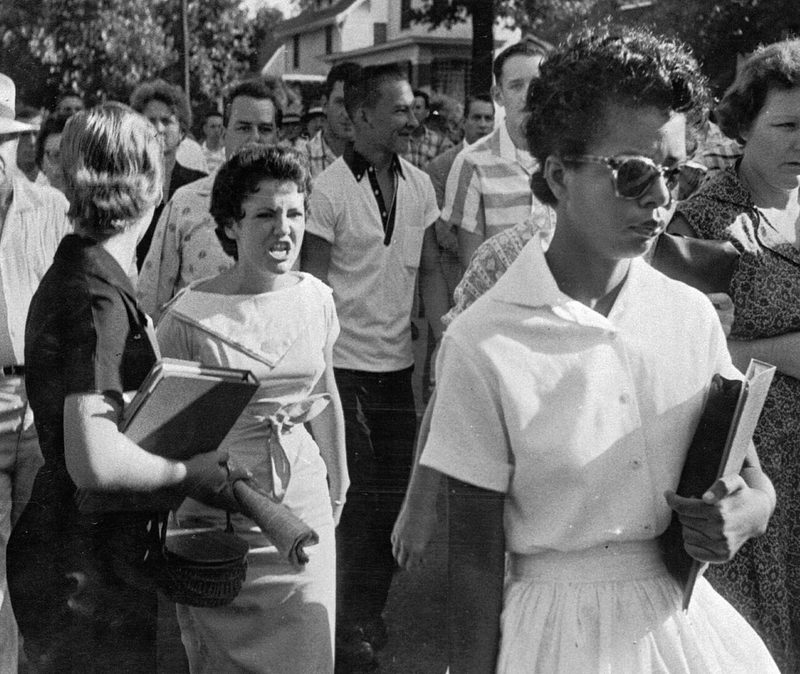
Tolu Adegbite, a Black designer and accessibility advocate, argues that alt text, the written label that tells screen reader users what an image shows, should describe the race of each person pictured. A label that says only a woman walking ahead of a crowd, or a girl walking down school steps, removes the history that makes a photograph matter to Blind readers, and silence about race lets white become the default. Adegbite asks designers to take responsibility for the description of every image so that Blind readers receive the same story that sighted readers receive.

The Colorado Cross-Disability Coalition (CCDC) recently celebrated the 33rd anniversary of the Americans with Disabilities Act (ADA) passage. They honor community members annually for their support of ADA. This year, CCDC recognized its founders with awards: Jean Parker for Making the ADA a Reality, Kristen Castor for Community Building, and Christina Johnson for Leadership. The ADA Access Awards event took place at History Colorado in Denver on July 28th, offering both in-person attendance and a livestream option. The awards ceremony was livestreamed on CCDC's YouTube channel, captioned in…

The Paraorchestra, founded by Charles Hazlewood in 2011, is reshaping the orchestral landscape by removing barriers that prevent musicians with disabilities from participating in large-scale professional ensembles. Recognized with the prestigious Royal Philharmonic Society (RPS) Ensemble Award, this groundbreaking group is a testament to what happens when accessibility and inclusion are prioritized in the arts. By integrating assistive technology, redefining traditional performance spaces, and fostering an environment where musicians with disabilities thrive alongside their non-disabled…
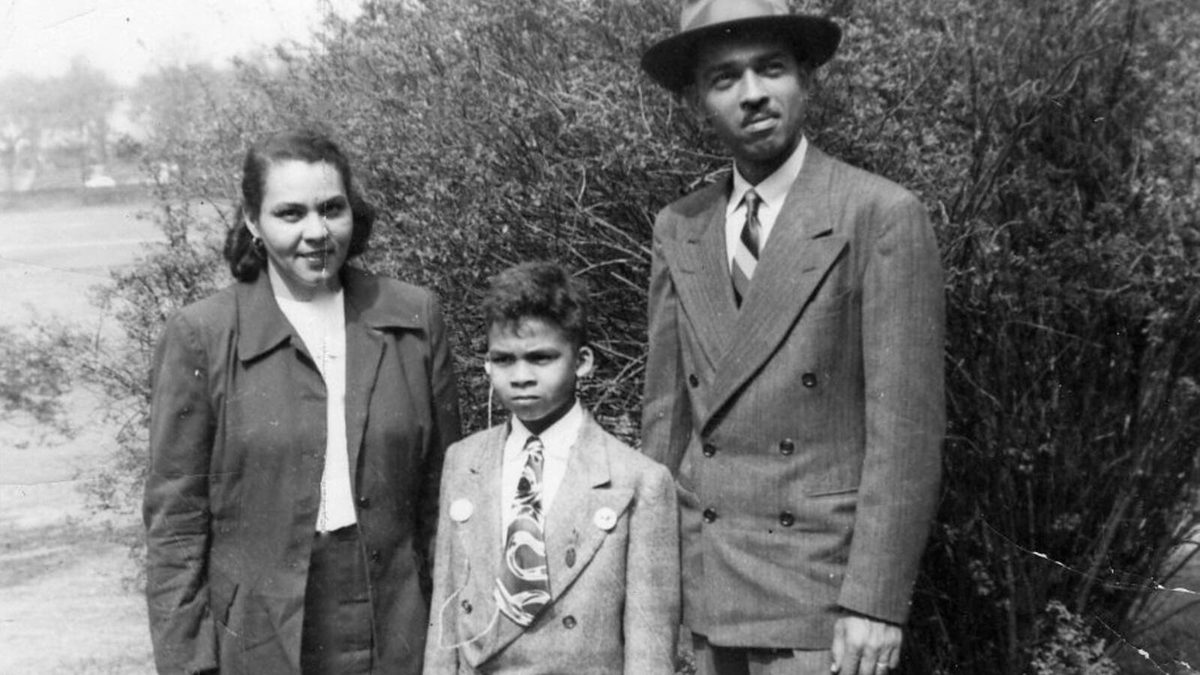
Louise B. Miller refused to leave her Black Deaf son at a school hours from home and led Black parents in a 1952 class action lawsuit that let Black Deaf children stay in the nation’s capital for school. The students were then placed in a separate school and denied diplomas until a graduation ceremony gave 24 of them theirs. Gallaudet University now has a goal of $23 million for an outdoor space for learning and the Center for Black Deaf Studies, so that future generations know her name and the story of Black Deaf children left out of the schooling offered to White Deaf children.
Explore the profound insights of 'Abdu'l-Bahá into the essential equality of men and women, a foundational principle for the advancement of humanity. Through eloquent passages and compelling quotations, 'Abdu'l-Bahá elucidates the interconnectedness of male and female potential, likening them to the two wings of a bird necessary for flight. Delve into the significance of companionship, mutual respect, and cooperation between genders, which form the bedrock of social harmony and spiritual progress. Unveil the transformative power of education and equal opportunity in dismantling barriers to…

Students with Disabilities were promised a full public education more than fifty years ago, that promise has never been kept, their assessments go unfinished and their Individualized Education Programs (IEPs) go uncarried out, and the protections available to them vary so dramatically by location that access to a full education has become a matter of geography. Community Builders carry a collective obligation to remove the barriers that block Students with Disabilities from full participation in their own education, treating that responsibility not as charity but as a shared commitment woven into every decision.
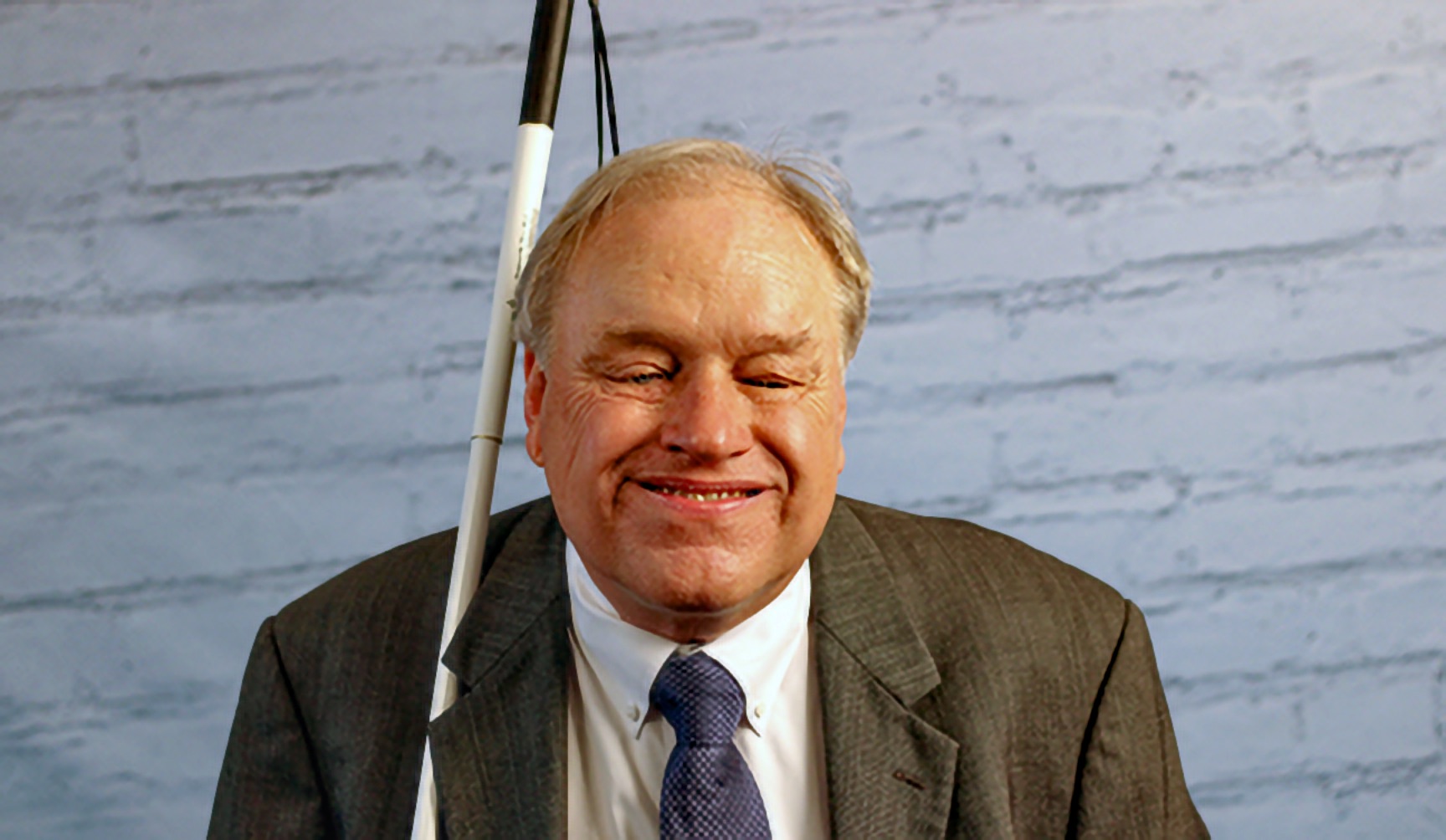
Gary Wunder argues that the familiar rule of treating others as you would wish to be treated reaches its limit the moment a sighted person pictures blindness from the outside and acts on that picture, grabbing an arm, ordering a meal, or keeping back information a Blind person should have had. The rule he offers alongside it, treating people the way they say they wish to be treated, calls for asking rather than presuming, and it matters far beyond courtesy, because schools that spare Blind students the work classmates receive, employers who read blindness as incapacity, agencies that leave Blind People reliant on them, and companies that ship products no Blind person can operate all cause real damage while believing themselves reasonable. Wunder's answer is that Blind People belong at the center of every decision about their own lives, and Community Builders meet that obligation by treating inclusion and accessibility as shared responsibilities carried out in consultation with People with Disabilities rather than delivered to them.

Disability advocates have fought to break down barriers, to be seen, valued, and included—not as a charity case, not as a box to be ticked, but as equal contributors to society. There are 8 billion people on this planet—more than 1.3 billion of them are People with Disabilities. People with Disabilities are not a minority. When inclusion policies were first introduced, they were meant to level the playing field—to recognize marginalized communities and create opportunities that had long been denied. But somewhere along the way, the process became diluted.
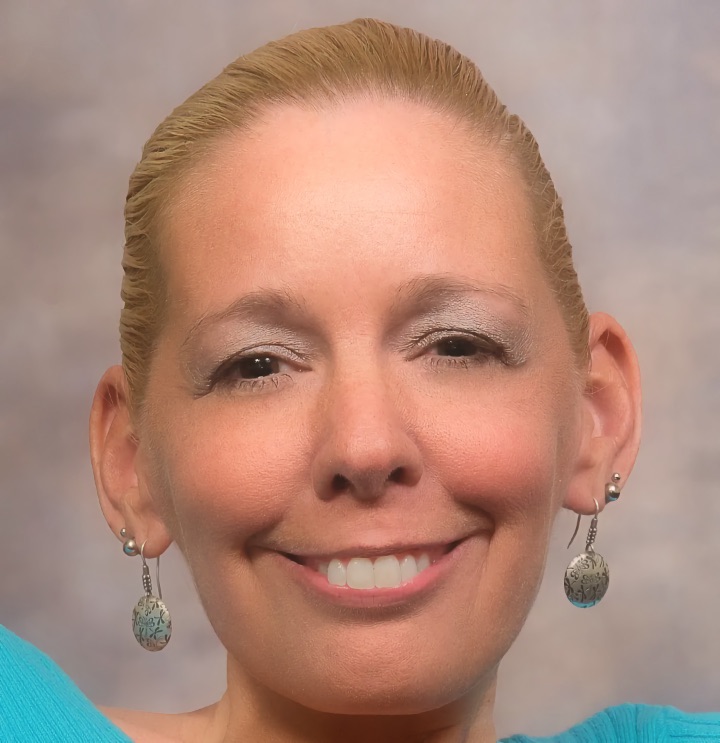
Listen Now: Disability Pride Mid-Michigan
Disability Pride Month traces back to Ed Roberts, who became the first Student with a Disability to attend the University of California Berkeley and founded the first Center for Independent Living, yet one in four American adults has a disability and belonging is still withheld. A Center for Independent Living covering twelve counties in mid Michigan, funded under Title VII of the Rehabilitation Act of 1973, moves people out of nursing facilities and into their own homes through peer mentoring and choices the person makes. The Americans with Disabilities Act sets only a minimum, while Universal Design removes barriers at the drawing board with entrances that have no step and restrooms holding an adult changing table. Now the reinterpreted Olmstead integration mandate and Medicaid cuts threaten the home and community based services that keep People with Disabilities out of institutions, which is why the article closes by telling us to get informed, call our legislators, put Universal Design to work, and invite a Person with a Disability into the conversation.

Editor’s Note: Can you identify what community barriers need to be removed so this type of action should not be necessary? The article explains why a reliable, wheelchair-accessible vehicle is pivotal for residents in a community home, emphasizing that transportation is not a luxury but a daily necessity for appointments, work, and maintaining social ties. It describes how the organization is working toward acquiring an accessible van, outlining the day-to-day coordination required when rides fall through and how gaps in service can derail medical care or participation in community life…

Natalie Green, a 25-year-old advocate who has cerebral palsy, epilepsy and an intellectual delay, writes ahead of Utah’s Dignity Leadership Summit after asking 15 Utahns with connections to IDD what inclusion means to them. She frames inclusion as belonging and participation across daily life — from schools and workplaces to inclusive events — and shares where readers can find the full set of responses. Voices from Special Olympics athletes and coaches emphasize that inclusion is not token attendance but meaningful roles, leadership and friendship. Kyle “Pickles” Karren points to chances to…
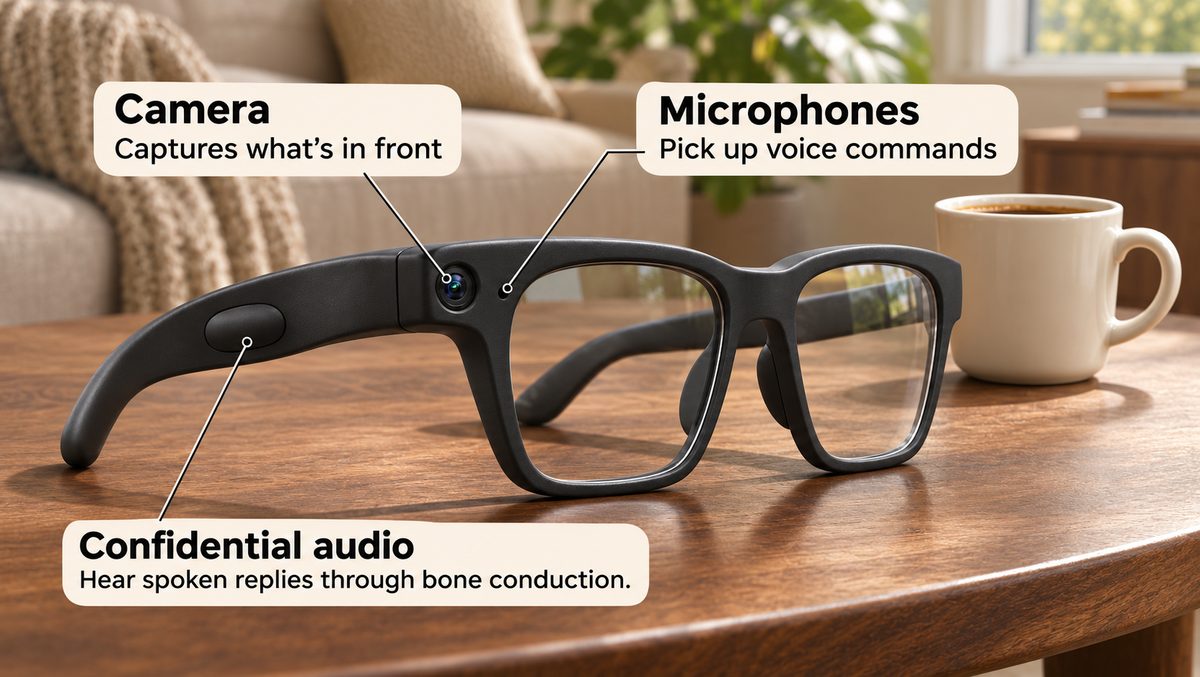
In this Braille Monitor article, the President of the National Federation of the Blind says Blind People are discerning consumers of artificial intelligence (AI) and smart glasses, and that independence lives in the person and never in the tool. The article asks for rules that name the real harms, covert recording and harassment, without banning a device or taking away the access Blind People use it for. Blind People should lead in shaping this technology, and its makers should bring Blind People into the design work from the first day. We should write our own venue rules to name the harm and keep a clear way for a Blind person to ask for access.

Clive Loseby, a passionate advocate for website accessibility, shares his personal journey and compelling insights in a powerful video aimed at changing the digital landscape, one website at a time. Following a life-changing car accident, Loseby's dedication to accessibility stems from his firsthand experience with the importance of inclusive design. With a touch of humor and profound sincerity, Loseby draws attention to the ubiquitous yet often overlooked issue of website accessibility, likening it to the familiar annoyance of cookie banners. He adeptly highlights the stark reality faced by people with disabilities, illustrating how inaccessible websites effectively erect barriers akin to discriminatory entry requirements.
Learn about topics related to People with Disabilities, Accessibility, Anti-Ableism, Removing Barriers, and the Disability Community? Tap the Explore button to discover something new and intriguing with each tap!