



Explore More Compelling Insights:
Learn about topics related to People with Disabilities, Accessibility, Anti-Ableism, Removing Barriers, and the Disability Community? Tap the Explore button to discover something new and intriguing with each tap!
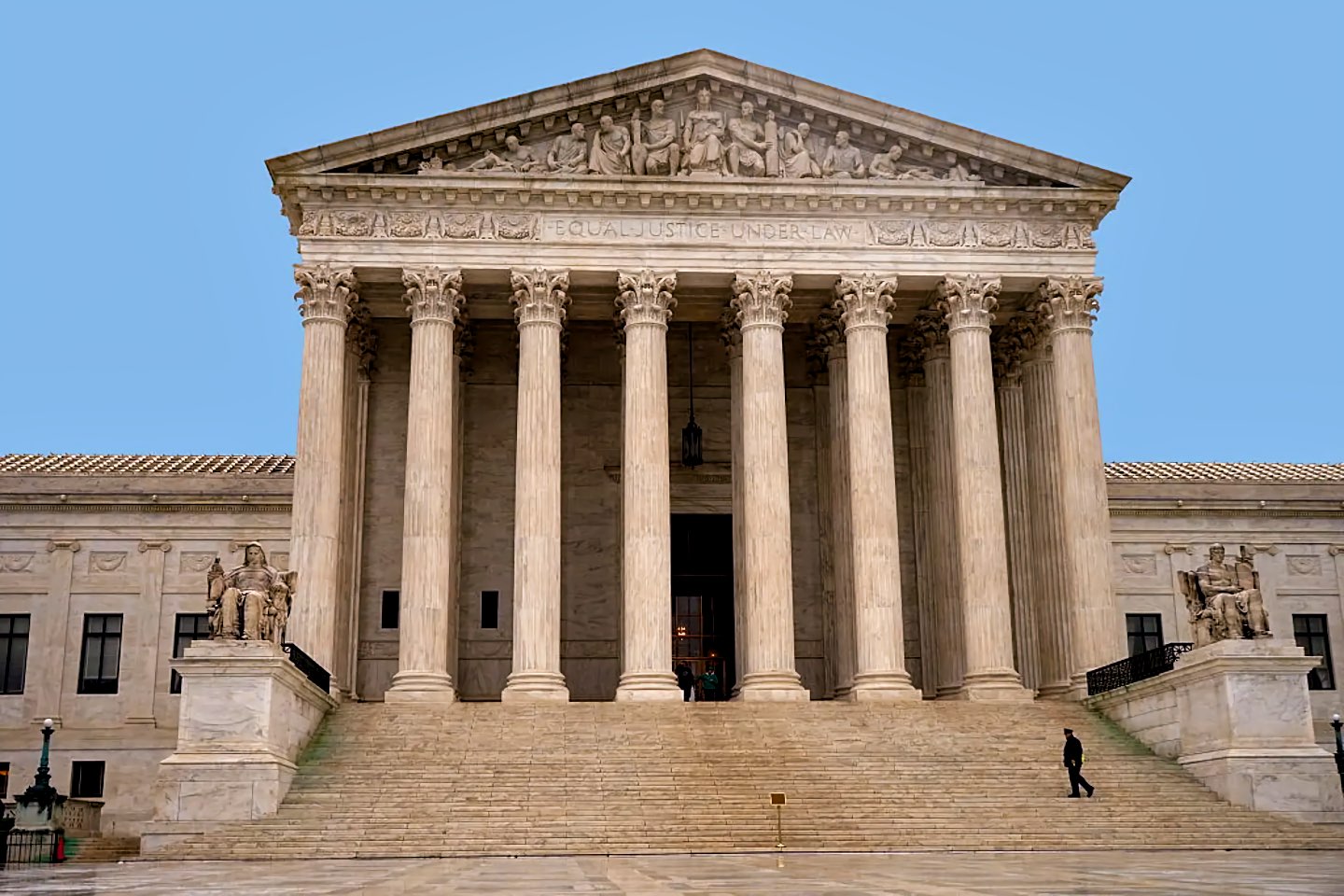
People with Disabilities fought for decades to move from state institutions into their communities, securing that right through the Americans with Disabilities Act (ADA) and the 1999 Olmstead v. Lois Curtis decision — and a Department of Justice (DOJ) memo combined with sweeping Medicaid cuts now threaten to reverse that progress by defunding the home and community based services (HCBS) that cost roughly $70,500 per year, compared with more than $395,000 annually in an institution, leaving People with Disabilities facing the isolation that community living was built to permanently end.
Ed Roberts—paralyzed by polio in his early teens and now known as the father of the independent living movement—pushed as a young man to win People with Disabilities the resources to live in their communities rather than in “restrictive and often brutal institutions.” His activism led to independent living centers that assist with finding personal aides and signing people up for affordable, accessible housing to guarantee as much personal freedom and agency as possible. Mentorship from his mother, Zona, shaped how he challenged decisions that blocked participation. When school officials said…
Editor’s Note: Can you identify the systemic ableism that creates the very problem a Hidden Disabilities Sunflower lanyard or badge is meant to “fix”? Focus on how default policies, design choices, or staff behavior cause barriers in the process — and name the concrete changes that would eliminate those problems for People with Disabilities, rather than relying on afterthought identifiers like lanyards. Condé Nast Traveller surveys the Sunflower Lanyard’s first decade and asks how airports and airlines are advancing neuro-inclusive travel for neurodivergent passengers, framing airports as…
A moment of historic portent has arrived for your nation as the conscience of its citizenry has stirred, creating possibilities for marked social change. It holds significance not only for the destiny of America anticipated in the Sacred Writings, but also for the mission entrusted to your community by the hand of ‘Abdu’l‑Bahá, who cherished you dearly and called you to a path of sacrifice and high endeavor. We are pleased to see that, led by your National and Local Spiritual Assemblies, you are seizing opportunities—whether those thrust upon you by current circumstances or those derived from…
The University of Washington Accessible Technology provides a well organized web presentation on Document Accessibility. Here are some of the main highlights and the links to each section: When creating digital documents, there are a few basic issues to keep in mind in order to ensure your content is accessible. These issues are the same regardless of whether your document is in HTML, Word, PDF, or another document format. A good starting point for learning about accessibility is our IT Accessibility Checklist. The following items from the Checklist are especially applicable to digital…
Miranda Lacy and Harold Rogers became fast friends during their undergraduate years. Both students are Blind and say learning materials, from course modules to readings for class, have been inaccessible to them at West Virginia University (WVU). Many documents are not compatible with a screen reader, which is software that translates what is visually represented on a webpage into audible speech. Rogers opened a PDF from one of his classes: a word in the title had an extraneous gap, so the automated voice of the screen reader said "misspell, misspell, misspell," as if it's repeatedly walking into a virtual wall. Rogers navigated down to an image of a chart. "Unlabeled text box, unlabeled image, page break," the reader said. Both students say they have encountered dozens of inaccessible documents in a single semester, and that they have spent more time troubleshooting their education in the past three years than actually learning. Digital accessibility is a major barrier for Blind students and other Students with Disabilities. It is an ever-changing landscape that often isn't designed with disabilities in mind.
The article gathers a holiday selection of children’s books that treat disability as part of ordinary family, school, and community life. It opens by noting that the list is educator-curated for representation and lays out why these choices matter in practice: they situate disability within daily routines rather than as a detour, offer readers language that is age-appropriate and concrete, and make it straightforward for adults to pick read-alouds and gifts by grade band without segregating who the books are “for.” The piece also underscores that the aim is durable beyond the season—these…
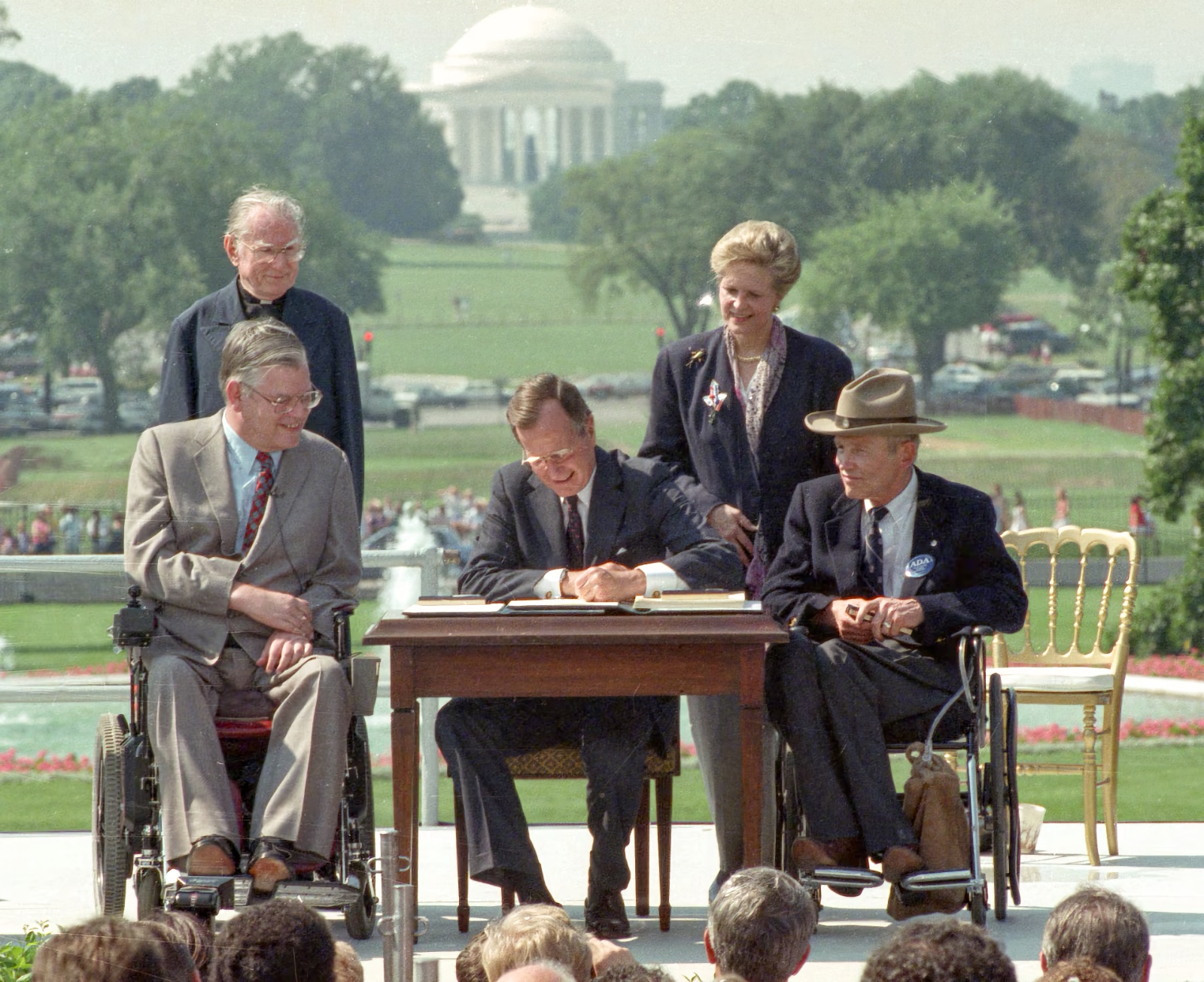
The Americans with Disabilities Act (ADA) has required state and local governments to ensure their communications with People with Disabilities are "as effective as" communications with nondisabled individuals for more than 30 years — a mandate that includes the internet and mobile applications. Yet after decades of delay and a 14-year public rulemaking process producing nearly 1,000 stakeholder comments, those same governments are asking for still more time, now pursuing an interim final rule that would take effect without public input. For a Blind college student who cannot submit an assignment because a university website is inaccessible, or a resident with a disability unable to apply for benefits, pay taxes, or access public records, inaccessible websites mean exclusion from essential services — and for millions of Blind People and other People with Disabilities, it is past time to fulfill the promise of the ADA in the online world.
Fifty years after Congress passed the Individuals with Disabilities Education Act (IDEA)—born in 1975 as the Education for All Handicapped Children Act—the takeaway isn’t nostalgia, it’s the need for enforcement. Students with Disabilities are still owed full access to public schools, learning alongside peers with services delivered as rights, not favors. As Rep. Lateefah Simon warns, “Our civil rights are not up for negotiations.” Mark the milestone with action that honors 50 years of the disabilities education act. The article is explicit: stop treating access as a medical problem. The…
These are great tips for whenever you have the opportunity to include a Blind person at an event or in your home. But please remember, not all Blind people are the same. Always be sure to ask before taking a Blind Person's hand or arm in any way. They will let you know how they prefer to deal with any task at hand. Simply remember to respect personal space by asking first.
By N. Jamiyla Chisholm The Americans with Disabilities Act (ADA) was enacted 30 years ago in July to prevent discrimination against people with disabilities. The ADA is seen as an important law, but disability justice advocates argue that there is still a lot of work to be done to advance the cause of disability justice. Disability justice is where deaf and disabled Black, Indigenous, and people of color (BIPOC) individuals come together and recognize their shared experiences of oppression. Disability justice advocates contend that disability rights and the ADA are just the beginning of the…
The documentary video, "To Light a Candle", offers a glimpse into the lives of Blind People, highlighting their journeys towards empowerment and belonging. Through personal stories and experiences, we see how Blind People like Buna Dahal, Julie Deden, and many others confront the barriers imposed by societal misconceptions about blindness. Their narratives challenge negative stereotypes and illustrate how, despite these barriers, they have embraced their identity as Blind People and achieved remarkable success. This film is a powerful testament to the resilience and capabilities of Blind…
Creating accessible content is crucial for ensuring inclusivity and removing barriers that prevent People with Disabilities from engaging with online information. The Web Content Accessibility Guidelines (WCAG), developed by the World Wide Web Consortium (W3C), provide a framework to make web content more accessible. These guidelines emphasize creating digital experiences that everyone, including Blind and Low Vision People, can access and enjoy. Think of accessibility like online content versions of wheelchair ramps or braille in printed materials. Statistics highlight the significance of…
This is the Shining Lamp Topic Collection List of frequently accessed topics. Each link will offer a View of Topics Collected of articles and resources on the topic shown in the link title. The following links can easily be shared out in, "How To" documents and email messages. These are particularly useful in a "for more information, see:" section. If additional articles or resources are added to any of these topics in the future, links previously sent out will also automatically reflect those additions/changes. So, no need to keep updating people on new information related to these topics.…
Eliza Rain’s article offers a captivating account of her rediscovery of nature through a visit to the New Forest. Her experience highlights how the New Forest’s wide, flat paths and well-designed accessibility features provide a seamless and immersive encounter with nature. Rain describes the lush, vibrant landscape, where diverse wildlife such as wild horses, deer, and foxes roam freely. The accessibility of the forest ensures that every part of this natural wonder can be fully appreciated, allowing Rain to engage deeply with the environment. The detailed observations Rain shares emphasize…
Learn about topics related to People with Disabilities, Accessibility, Anti-Ableism, Removing Barriers, and the Disability Community? Tap the Explore button to discover something new and intriguing with each tap!