
Striving to remove barriers that prevent us from building Vibrant, Diverse, Inclusive, Accessible Communities!
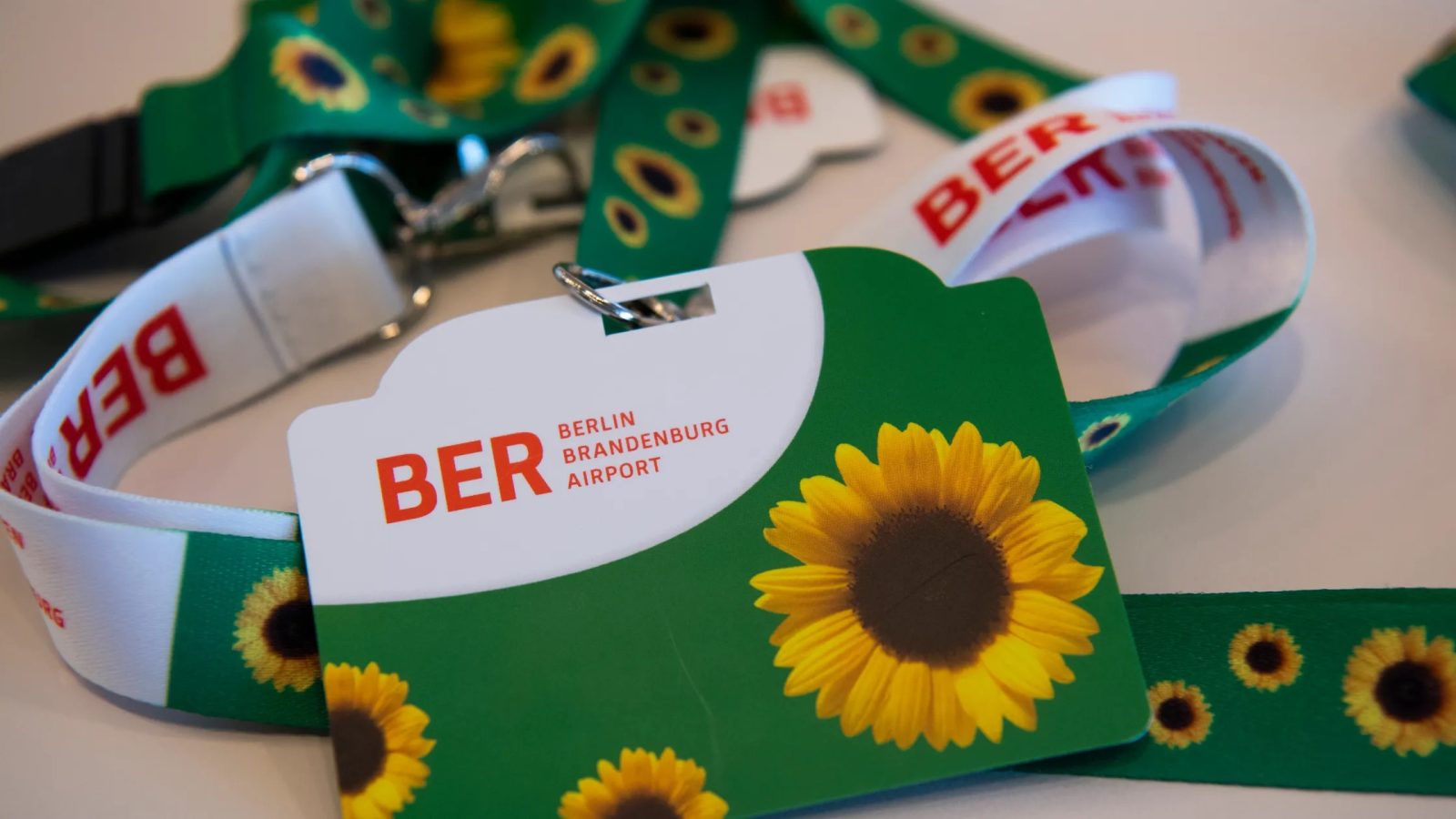
Editor’s Note: Can you identify the systemic ableism that creates the very problem a Hidden Disabilities Sunflower lanyard or badge is meant to “fix”? Focus on how default policies, design choices, or staff behavior cause barriers in the process — and name the concrete changes that would eliminate those problems for People with Disabilities, rather than relying on afterthought identifiers like lanyards.
For many neurodivergent travellers, airports feel like barriers instead of gateways, Allie Mason writes in Condé Nast Traveller. Mason, who is neurodivergent and has written a book on neuro inclusive travel, notes that about one in seven people in the UK is neurodivergent. Nathan Reuby, founder of NeuroPlaces and father of an autistic child, says busy, unpredictable, sensory intense spaces raise stress sharply, leading to meltdowns or to people skipping airports entirely.
The Hidden Disabilities Sunflower lanyard launched at London Gatwick in 2016 as a voluntary signal that a passenger with a non visible disability may want more time or assistance, with no personal details required. Organizations that adopt it commit to training staff to recognize non visible disabilities and respond with empathy. Travellers Mason interviewed praised encounters at London Gatwick and London Luton, and one said the lanyard spared her from having to prove she has a disability.
Others report a decline in staff attitudes since the pandemic. Journalist Lydia Wilkins lost faith after staff forgot her while she waited, spoke to her like a child and answered her companions instead of her. The North East Autism Society found that airlines often fail to pass assistance bookings on to airports, and travellers asked for clear signposting, consistent training, guaranteed early boarding, quiet lounges and sensory spaces designed for adults as well as children.
A badge cannot replace an airport built and staffed for every traveller. Some examples already exist: Alaska Airlines runs practice flight days, Emirates became the first airline certified by the International Board of Credentialing and Continuing Education Standards (IBCCES) for autism, and several UK airports, including Birmingham, Bristol, Gatwick, Heathrow, Liverpool John Lennon and Manchester, have sensory rooms. By March 2026, 340 airports in 70 countries and 31 airlines recognized the Sunflower, yet the barriers Mason describes come from systemic ableism in how travel is designed and staffed, and removing barriers means changing those defaults.
Airports and airlines near us should pass every assistance booking along and train all staff the same way, so no traveller is forgotten. Transit hubs should offer quiet lounges, clear signposting and sensory spaces for adults as well as children. Travel designed with Neurodivergent Travellers from the start would move us toward Vibrant, Diverse, Inclusive, Accessible Communities for People with Disabilities.
Good design should make the badge a choice, not a requirement.
Read the Full Article: The Sunflower Lanyard, 10 years on: how the travel industry is supporting neurodivergent travellers.
By: Allie Mason
Questions for Reflection
- What barriers in airports, stations or offices near us does a lanyard ask travellers to work around, instead of removing them?
- How could transit hubs in our area pass assistance requests along so no traveller is left waiting?
- Where could we add quiet rooms or sensory spaces that adults can use as well as children?
- Which travel information in our area, from signs to booking steps, leaves Neurodivergent Travellers guessing?
- What would travel designed with Neurodivergent Travellers from the start look like in our community?
