Explore More Compelling Insights:
Learn about topics related to People with Disabilities, Accessibility, Anti-Ableism, Removing Barriers, and the Disability Community? Tap the Explore button to discover something new and intriguing with each tap!

Mark Riccobono of the National Federation of the Blind, Jocelyn Hunter of the Columbia Lighthouse for the Blind and Erin Daley explain what they wish sighted people knew: ask instead of assuming, make websites accessible, and remember that blindness is a spectrum and not a whole life.

Sheriauna Haase, a Paralympian whose left arm ends just below the elbow, tells how prosthetics made at Holland Bloorview Kids Rehabilitation Hospital let her dance, sprint, swim and play guitar. She dares readers to stop looking away from People with Disabilities and to imagine what People with Disabilities can do.

Kit, a TikTok creator known as @moonlit_kit, shares that she lives with conditions including POTS, Hypermobile EDS, and MCAS, and explains what she wishes people understood about her dynamic disability. Her core point is that a dynamic disability fluctuates in severity and impact—unlike a static disability—so how a person feels and what support they need can change day by day or even hour by hour, making planning hard. She notes that these changes often invite stigma: People with Disabilities may use a mobility aid one day and not the next, or manage a task one day and struggle the next, yet…

Alice Wong is remembered as a disability rights activist, a writer, and an organizer whose community work shaped policy conversations and culture. The remembrance traces how she built the Disability Visibility Project to share disability culture and storytelling, how she organized with others to identify and remove barriers, and how her approach—grounded in community care and shared responsibility—made room for People with Disabilities to participate in public life on equal terms. The article situates Wong’s leadership in the first months of COVID-19 through practices already common in…

NationalWorld profiles broadcaster and disability-rights advocate Matthew Kayne, who turns years of hospital routines and system barriers into a creative act: writing and releasing “Free Like a Bird,” a song about agency, dignity, and removing barriers. The core idea is clear: music became his way to organize experience into purpose, blending art with activism to challenge ableist assumptions and advance anti-ableism—without pity framing. Writing and recording happened alongside cancer-treatment schedules and administrative hurdles; responses from listeners affirmed the message, while his…
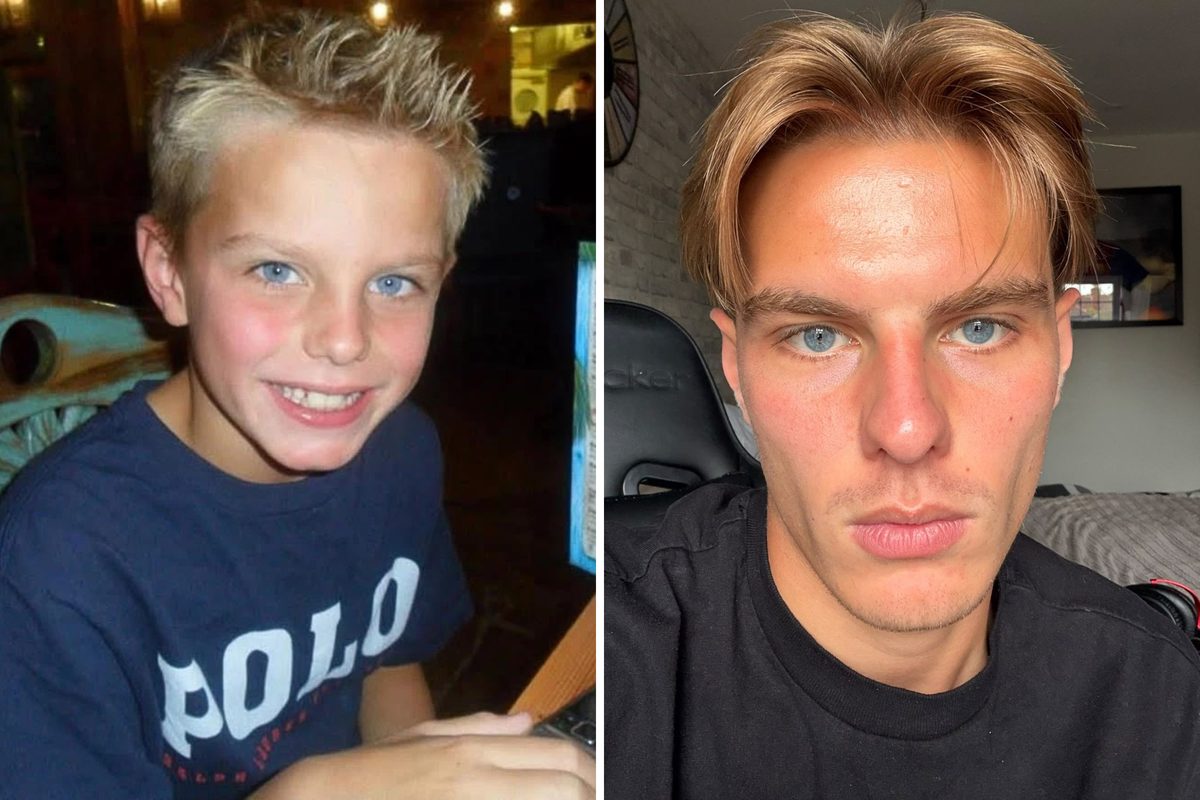
Spencer Ali slept on the floor of his parents' bedroom from age 8 to age 16 before a diagnosis of autism at 18 and Attention Deficit Hyperactivity Disorder (ADHD) at 21 explained why. A therapist read his fear as plain anxiety, a friend reacted badly when he shared his routine, and the traditional classroom never fit the way his brain worked. We should find out from each person who joins us how they work best, and keep our own programs from resting on one fixed schedule.
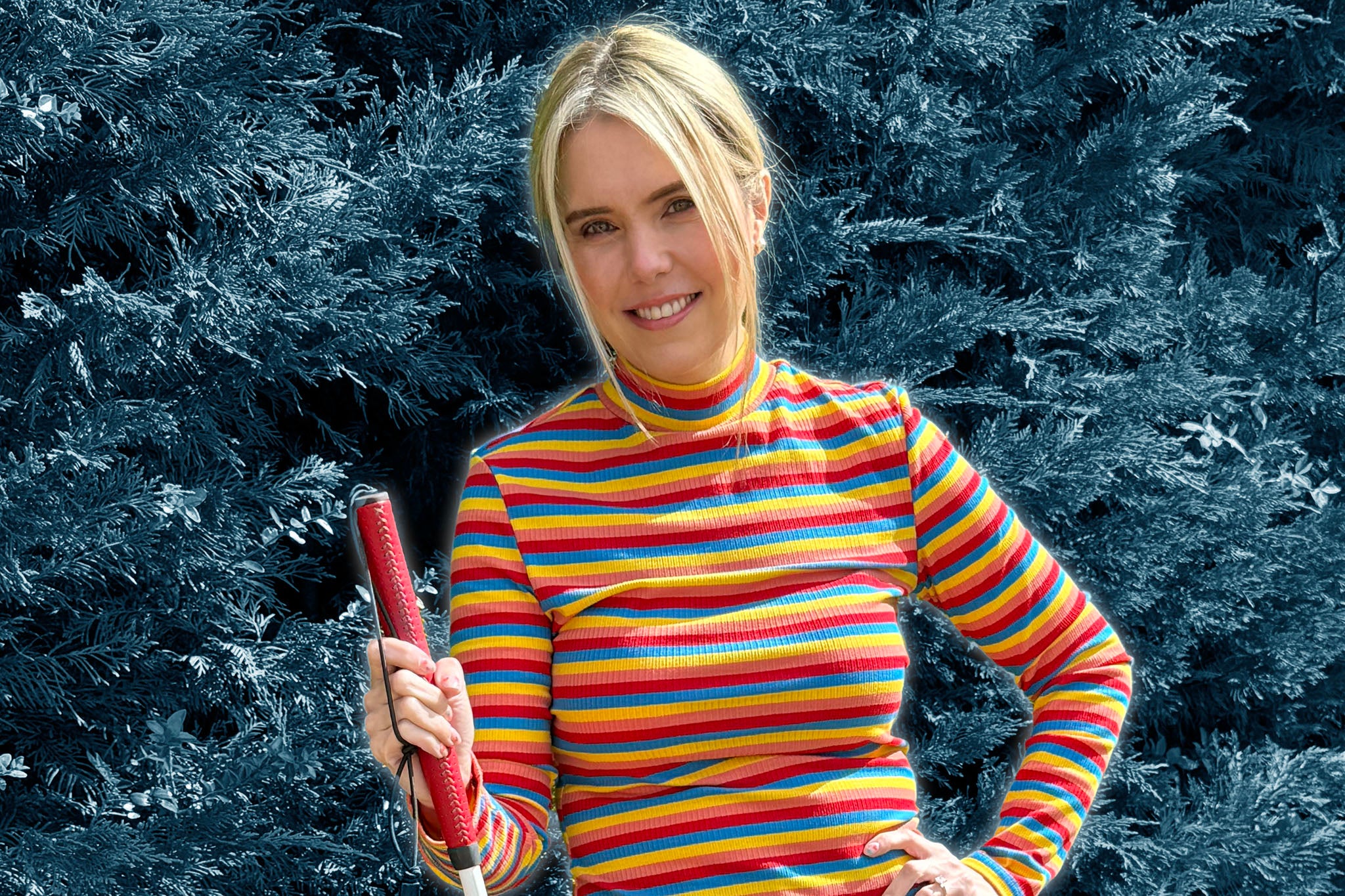
Claire Sisk's journey to becoming a disability advocate began at age 29, following a stroke that gradually affected her vision. As a single mother, Claire faced numerous misconceptions about her condition and the fear of losing her job and daughter. Despite these barriers, she worked diligently to prepare for life as a Blind mother with resilience. Claire's story highlights the importance of community support and removing barriers that prevent us from building Vibrant, Diverse, Inclusive, Accessible Communities! By sharing her experiences, Claire inspires others to adapt and thrive despite…
A video watched ten million times showed a wheelchair user reaching a major rail station to find the lift broken, the stairlift out of service and the portable equipment too narrow for her chair, and when she climbed the steps herself the public argument turned to whether her disability was real rather than to the access that had failed. Her mobility moves from one day to the next, as it does for many People with Disabilities, and being seen on an easier day is treated as proof that the harder days were invented. That doubt is then widened into a claim that diagnosis has lost its meaning and that disability is a route to advantage, spending the credibility of every person with a hidden disability to make the point. We can answer it by taking the justification out of our own registration forms, seating, quiet rooms and transport arrangements, offering access on request without explanation so that People with Disabilities are planned for on their hardest days.
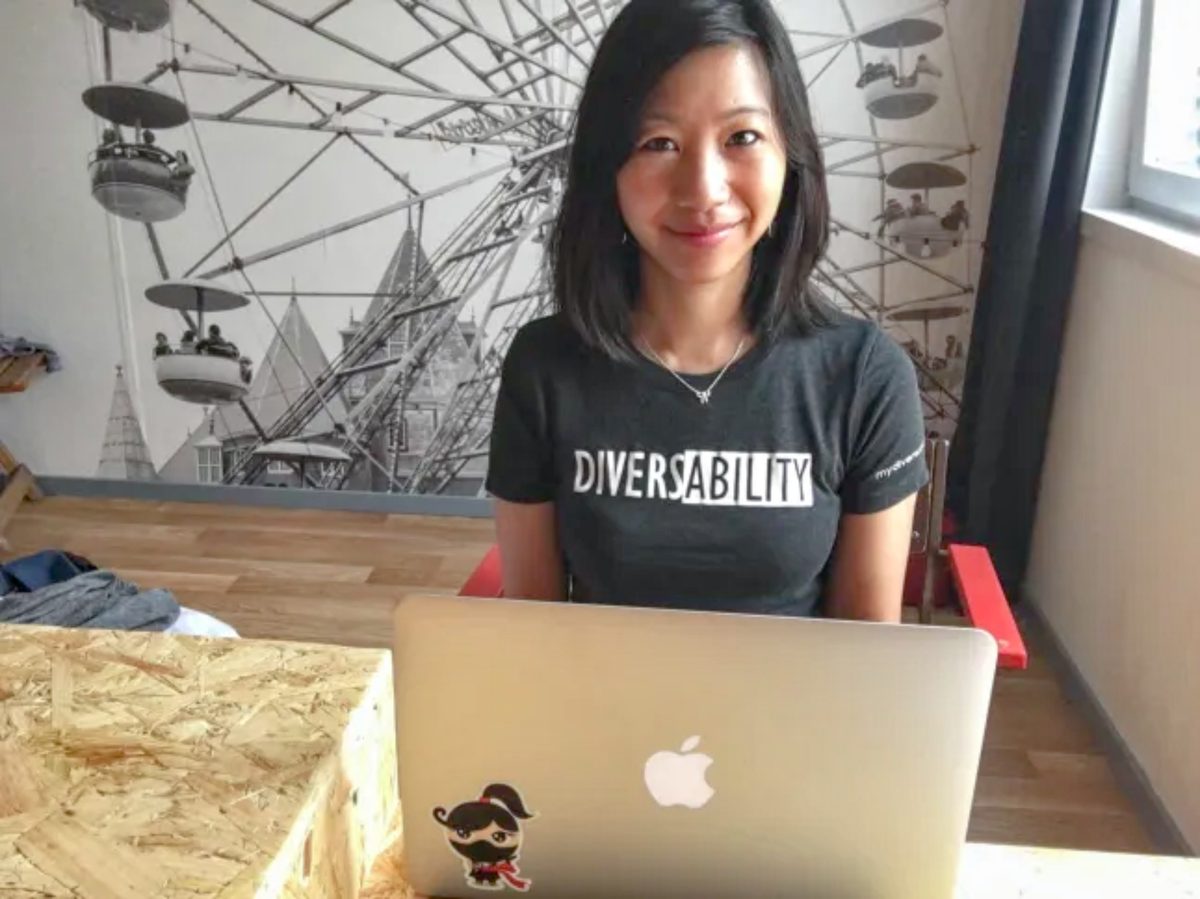
Tiffany Yu was nine when a car crash took her father's life and left her with a permanently paralyzed arm. Back at school, classmates chose her last for teams, and she spent years hiding her disability. Ableism followed her into adulthood through hesitant handshakes, questions about her wrist splint, dates who were not comfortable with a disabled partner, a pottery class unsure it could fit her, and praise that treated her life as extraordinary. Screens showed disabled people only as objects of pity or villains. She chose to advocate and founded Diversability, now a global community for disability pride and storytelling. Countering ableism starts with planning rooms where nobody waits to be chosen. We should start with the next activity we plan.

In this first-person piece, a parent shares why she visited her preschooler’s class to explain how he uses the bathroom, centering her son’s feelings about being understood and included by his peers. She describes preparing simple, age-appropriate explanations and showing some of the medical supplies he uses so classmates could ask questions and see that bodies can work in different ways without shame. The story emphasizes how openness at school can reduce stigma for People with Disabilities and create practical empathy among classmates, while also respecting a child’s privacy and dignity. By…

Emily Tisshaw, born without a left hand, describes the comments and unasked for “help” she met from customers in service jobs, from a stranger offering to pray for her to a customer who laughed at the idea that she was the manager. She asks people not to assume and to imagine what People with Disabilities can do.
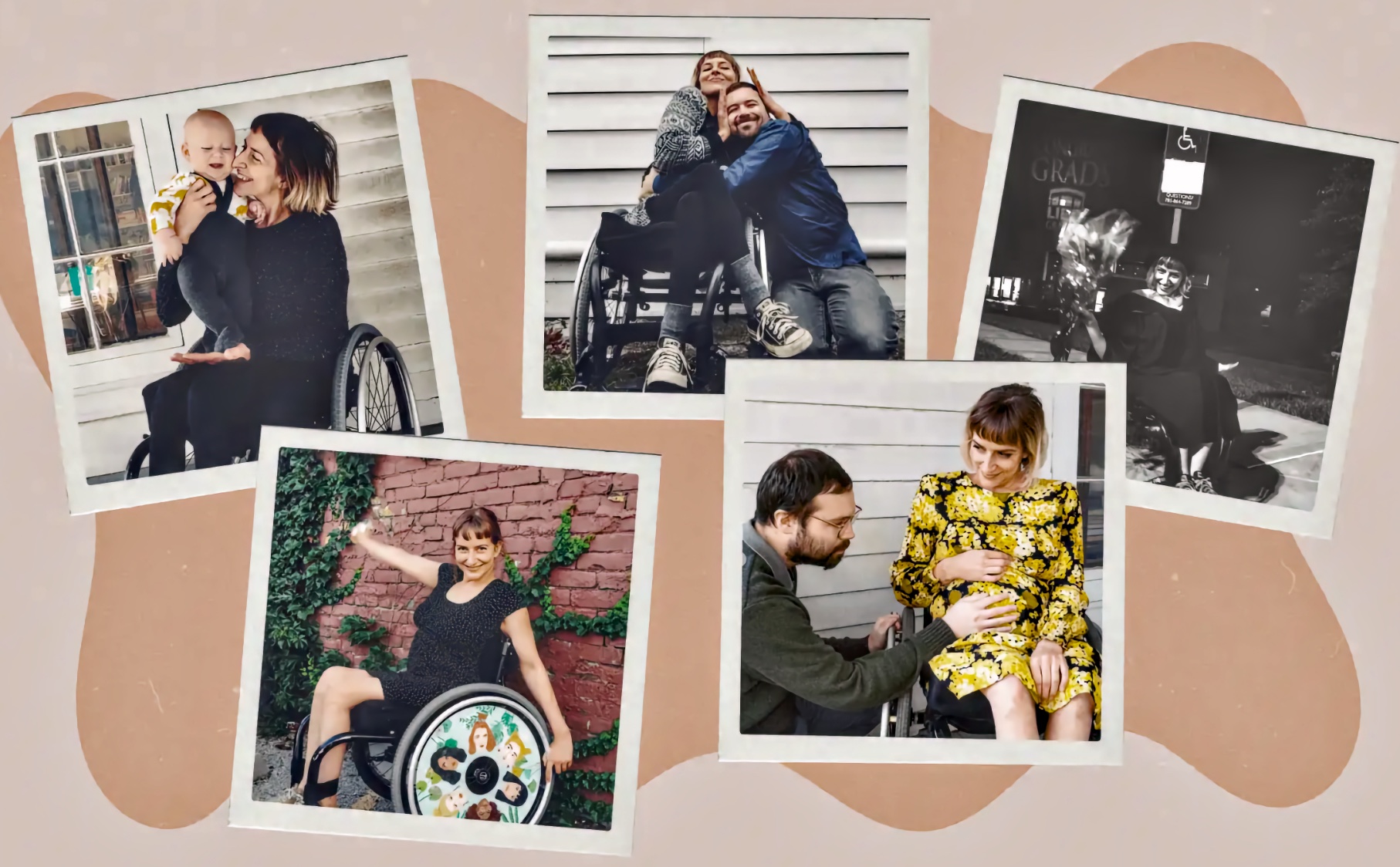
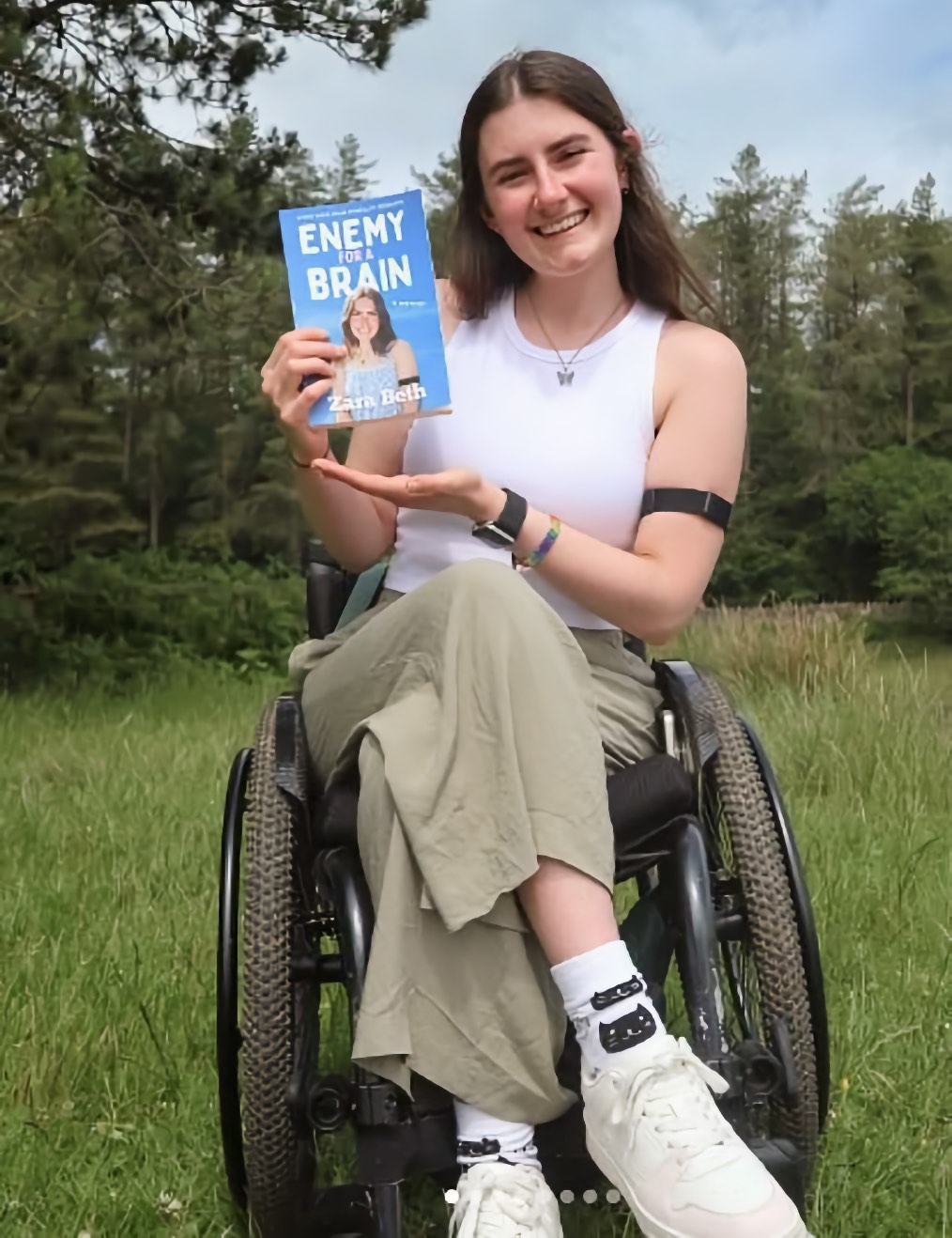
Taussig started using a wheelchair when she was 6 years old, and when she discovered disability studies in her late 20s during graduate school, she understood, for the first time in her life, disability as an identity — and this changed everything. She started creating what she called "mini-memoirs" on social media that brought readers into her firsthand experience of disability: the feeling of being stared at as she grips the side of her car, of being prayed over by strangers for her healing, of realizing as a little girl that none of the princesses looked like her. She started to understand the wheelchair as part of her brand — the image people recognize as they scroll — and over time rarely deviated from posts directly tied to disability; even if it wasn't at the center of the story, she made sure to connect the dots with a bold line for readers. She claims the titles disabled mother and disabled writer joyfully, yet reflects that brands aren't meant to capture every layer — they're curated — and as a collection, her posts inevitably drew a portrait missing some dimension.

Steph Sandy, a mother with cerebral palsy and wheelchair user who makes dance for a living, meets strangers who ask how she can be a mum and why her husband is with her. A doctor answered her pregnancy question with doubt, a hospital referred her family for assessment without a word to them, and a carer barged ahead of her to grab her baby, which she turned into the dance Mother Like No Other. Her family also found stadium seating planned without a child beside a wheelchair user in mind. We should plan our next program, service, event, or communication so a disabled parent and her children sit together.

Jayne Connolly, a nurse in Sheffield who learned she was autistic at 47, says flexible shifts let her keep doing the work she knows, and that disability pride means no longer hiding her autism.
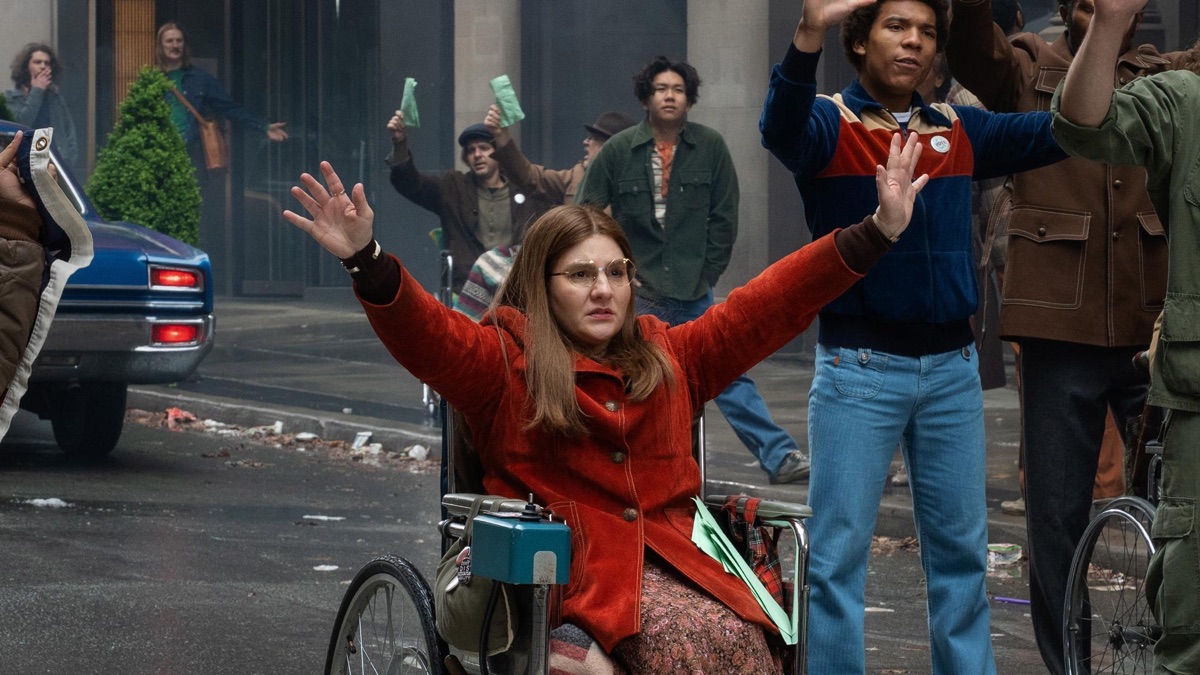
Rebekah Taussig wrote the film Being Heumann and learned how Judy Heumann led a nearly monthlong occupation that won the Rehabilitation Act's Section 504. Stories on screen once told her little about disability, and an airline losing her wheelchair showed that travel still shuts People with Disabilities out. Now a federal memo calls institutions an acceptable option under the ADA, short for Americans with Disabilities Act, even as a major festival chose the film to open its program. Taussig wants whole communities invested in carrying rights out.

Blind scientist and designer Joshua A. Miele was told as a teenager that he could not study physics and later heard a recruiter doubt that a Blind person could be a designer. He shows that ableism, not missing tools, is the main barrier, and he asks us to learn about disability from People with Disabilities and to imagine how they can.

A NorthJersey.com investigation found that People with Disabilities in New Jersey meet blocked entrances, dismissive doctors and missed diagnoses, and a World Health Organization report ties barriers like these to earlier death. Kelly Boyd, a wheelchair user, now trains health professionals together with other People with Disabilities, nothing about us without us in practice.

Understanding how data collection practices impact People with Disabilities is essential in our community-building efforts. Communities must recognize that regardless of the numbers represented by marginalized minorities, the community belongs to them as well. Ignoring them not only creates systemic barriers but also violates basic human and civil rights. The recent federal Request for Information (RFI) by the White House Office of Science and Technology Policy (OSTP) highlights the importance of gathering disability-inclusive data to ensure that all community members are represented. By…
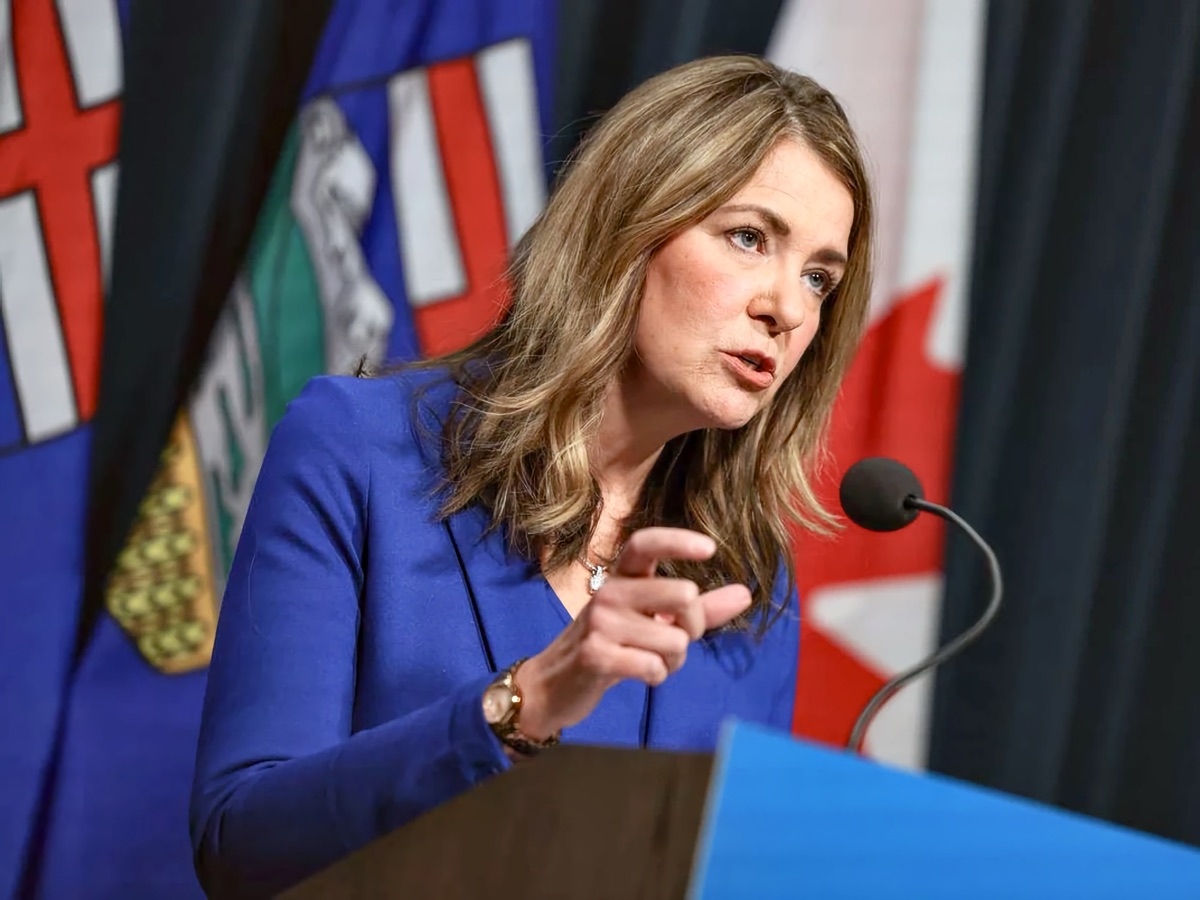
Two University of Calgary scholars answer a premier's remark that people can earn their way into inclusion, and out of it again, with a plain rule: inclusion is the floor beneath a just society, never a reward. Treating it as conditional gives People with Disabilities a standing that is provisional, ties worth to productivity, and repeats practices where access is withdrawn until people prove their worthiness. The United Nations disability rights convention and Canada's national charter point the other way, and Students with Disabilities already meet bullying and exclusion at high rates. The authors ask why the systems that produce exclusion exist and which barriers we have been unwilling to remove. We should start with the next program, service, event, or communication in planning.
Learn about topics related to People with Disabilities, Accessibility, Anti-Ableism, Removing Barriers, and the Disability Community? Tap the Explore button to discover something new and intriguing with each tap!