
Striving to remove barriers that prevent us from building Vibrant, Diverse, Inclusive, Accessible Communities!
A video watched ten million times showed a wheelchair user arriving at a major rail station and finding the lift broken, the stairlift also out of service, and the portable equipment staff carried over too narrow for her chair, leaving roughly thirty steps between her and where she was going. She got out of the chair and climbed them. What followed was not scrutiny of the equipment that failed but a public argument about whether her disability was real, because she had walked. That reversal is the harm sitting at the center of this story: a barrier was documented in plain view, and the answer was to put the person who documented it on trial instead. People with Disabilities who record inaccessible places are learning that the evidence they gather will be turned back on them.
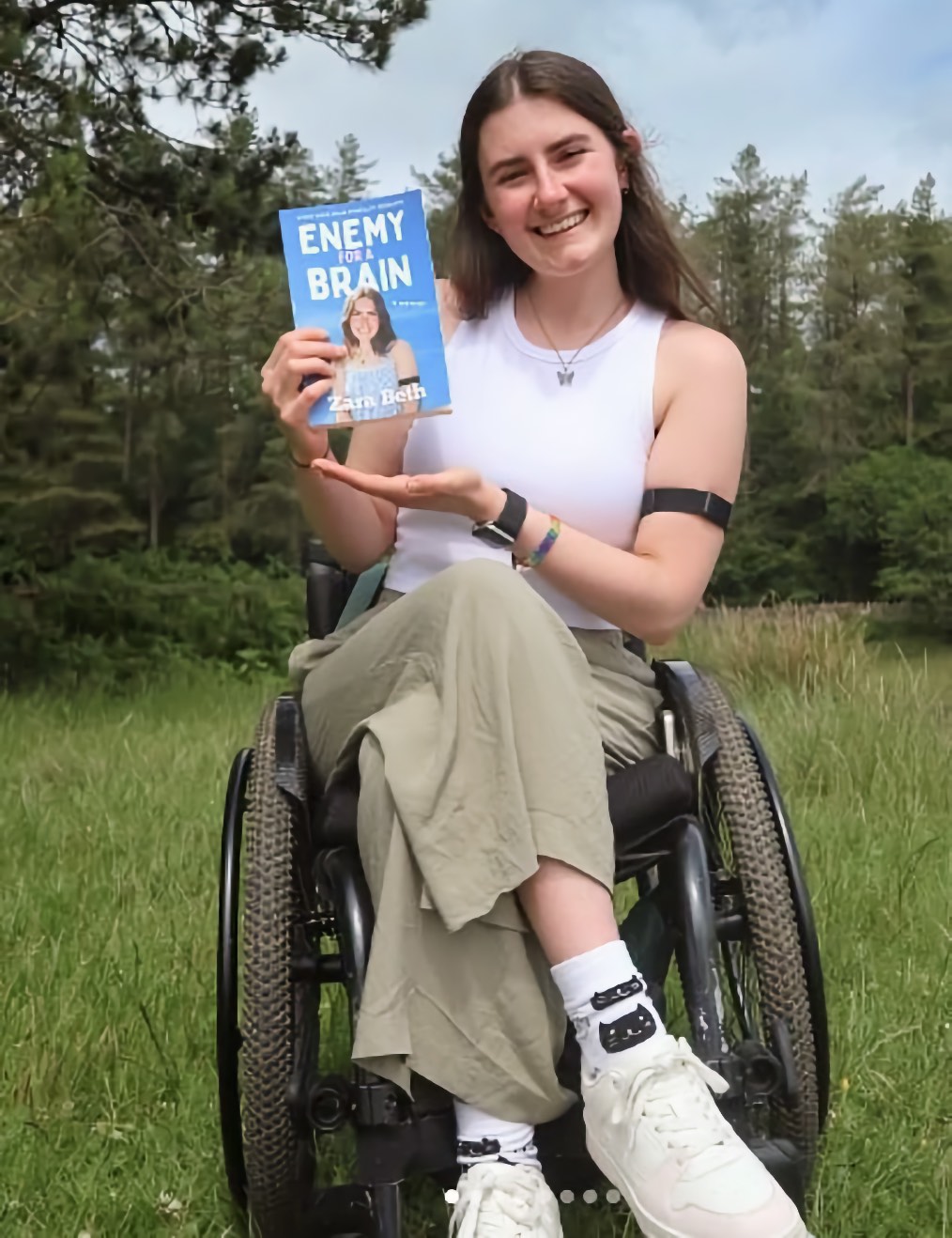
Her disability moves. She uses a wheelchair on days when walking costs more than she has, and on easier days she takes part in gymnastics and skating; she has been diagnosed with autism spectrum disorder (ASD) and with Tourette syndrome, and her tics arrive and recede without warning. None of that is a contradiction, and none of it is unusual. For People with Disabilities whose capacity shifts from one day to the next, being seen on an easier day becomes a liability, because observers convert a single hour of visible ease into a verdict about every hour they did not watch. The result is that a person with a dynamic disability carries a second burden stacked on the first: proving, again and again, to strangers, that the day they were watched was not the whole of it.
From one person's videos the argument widens into something far larger: that diagnosis itself has lost its meaning, and that disability has become a claim people make for advantage. A leading autism researcher is quoted warning that the diagnostic boundary has widened so far it may reach a point where no symptoms are required at all, and that People with autism who are nonverbal and depend on continuous care are being neglected as a result. Set beside this are figures on young people aged sixteen to twenty four who are outside education, work and training, around half of whom report a disability or a long term illness such as depression or anxiety, together with a note that disability benefits carry entitlements that unemployment benefits do not. Arranged this way, the numbers stop describing barriers to work and begin working as an accusation, and the credibility of every person with a hidden disability is spent to make that point.
The worry this story ends on is that station staff and fellow travellers will now hesitate and privately weigh whether the wheelchair user in front of them, or the passenger wearing a sunflower lanyard for a hidden disability, is telling the truth.
We need to make certain we don't manage our own gatherings the same way, expecting people to explain themselves before access is granted, which turns participation into something People with Disabilities must keep proving they deserve rather than something already theirs. This week we can take the justification out of our registration forms, our seating, our quiet rooms and our transport arrangements, and offer access on request without explanation, because Vibrant, Diverse, Inclusive, Accessible Communities are designed for People with Disabilities on their hardest days, not on the days we happen to be watching.
Read the Full Article: I was born with cerebral palsy. Why is disability now a badge of pride for so many young people?.
By: Michael Simmons

