
Striving to remove barriers that prevent us from building Vibrant, Diverse, Inclusive, Accessible Communities!
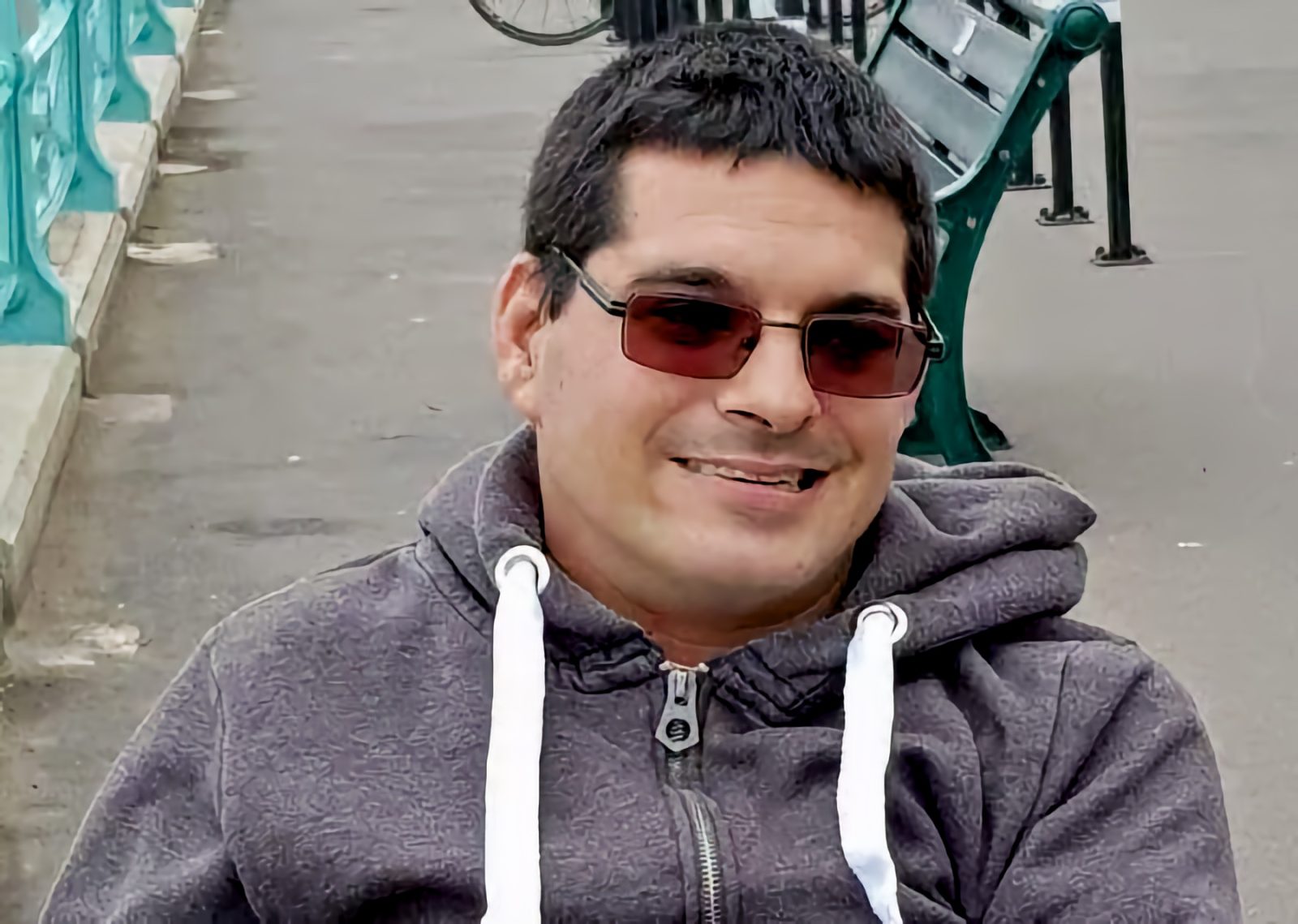
Matthew Kayne, a broadcaster, disability rights campaigner and founder of the online station Sugar Kayne Radio, lives with cerebral palsy and survived bladder cancer. Writing for NationalWorld, he describes years of hospital visits, long waiting lists and social services meetings that seemed to put cost ahead of care. He wanted to work and contribute, he writes, yet barriers met him at every turn, and others made almost every decision about his life.
Music gave him back a sense of control. Through long, quiet days he began writing lyrics, and the words Free Like a Bird became his mantra and his first song, a reminder that a tired body did not mean a broken spirit. He wrote it for anyone who has felt unheard or underestimated, because People with Disabilities are so often talked about instead of talked to, and seen as a wheelchair or a medical file instead of a person.
Recording meant fitting sessions between hospital appointments and fatigue, with friends and his carers behind the effort. When the song came out, messages arrived from across the country, from people with cancer, from carers and from others in hard times, saying it gave them strength and made them feel less alone. Kayne calls the song activism as much as art, part of years of campaigning for better wheelchair services and fairer care, and he leads a national petition to reform the wheelchair service in the United Kingdom.
Freedom begins when people speak for themselves. Kayne writes that freedom is emotional as well as physical: finding your own voice when others try to speak for you, and refusing to be held back by other people's expectations or by systems that undervalue people. He is now writing a second song, Look at Me Now, and hopes one day to serve as a Member of Parliament working for disability rights, access to health care and inclusion at work. When we stand against ableism and build access into our communities from the start, we answer his call for a society that listens to People with Disabilities.
We should speak with People with Disabilities, never about them. We should back the campaigns People with Disabilities lead for fair wheelchair services and care. Communities that make room for every voice would move us toward Vibrant, Diverse, Inclusive, Accessible Communities for People with Disabilities.
Every voice deserves to be heard.
Read the Full Article: I Live with Cerebral Palsy and Survived Bladder Cancer - Music is Hope.
By: Matthew Kayne
Questions for Reflection
- When have we talked about a Person with a Disability instead of talking with them?
- Which decisions about the lives of People with Disabilities in our community are made without them?
- How can art and music carry a message that policy debates leave out?
- Who decides how wheelchair services and care work in our area, and are People with Disabilities part of that decision?
- How could we make room for People with Disabilities to share their own stories in our community?
