






Explore More Compelling Insights:
Learn about topics related to People with Disabilities, Accessibility, Anti-Ableism, Removing Barriers, and the Disability Community? Tap the Explore button to discover something new and intriguing with each tap!
Comedian Nina G asks ... How many Disabled People Does It Take To Screw In A Lightbulb?
The 2025 theme—“Fostering disability inclusive societies for advancing social progress”—asks the world to replace pity framing with rights, access, and leadership by persons with disabilities. That means moving beyond charity toward design choices that make schools, workplaces, healthcare, transport, and civic life work for People with Disabilities. The UN details stubborn barriers: higher poverty rates, wage gaps, overrepresentation in informal work, and social protection that often ignores extra disability-related costs. Turning promises into practice starts with practical steps—accessible…
This resource offers insights and resources to better understand the strong connections between racism and ableism. Learn More ... https://disabilityphilanthropy.org/resource/intersections-between-racism-and-ableism/
HuffPost launches this new section to center People with Disabilities as authors of their own lives, and the editor’s story about her best friend explains why that matters. At 23, her friend had a stroke, woke up in an Intensive Care Unit with locked-in syndrome, and endured months of paralysis, rehab, speech therapy, and other treatment before using eye-controlled technology to blog and write again. By rejecting inspiration porn and insisting that Telling our stories is resistance, the article makes clear that disability coverage must be led by truth, authorship, and power rather than pity.…
Apple’s iOS (iPhone Operating System) 26 introduces Braille Access, built for Blind People and available beside any app. The article says it plainly: “Braille is the key to literacy and to opportunity.” Apple invests in Braille as literacy and rejects the pattern that left Blind People stuck with outdated notetakers. Braille is the key to literacy and to opportunity. Education is central. Apple positions an iPad as a full notetaker that teachers already know. “Braille Notes” records dots instantly and syncs in iCloud. “BRF files” (Braille Ready Format) open fast, edit via the dot-7 Context…
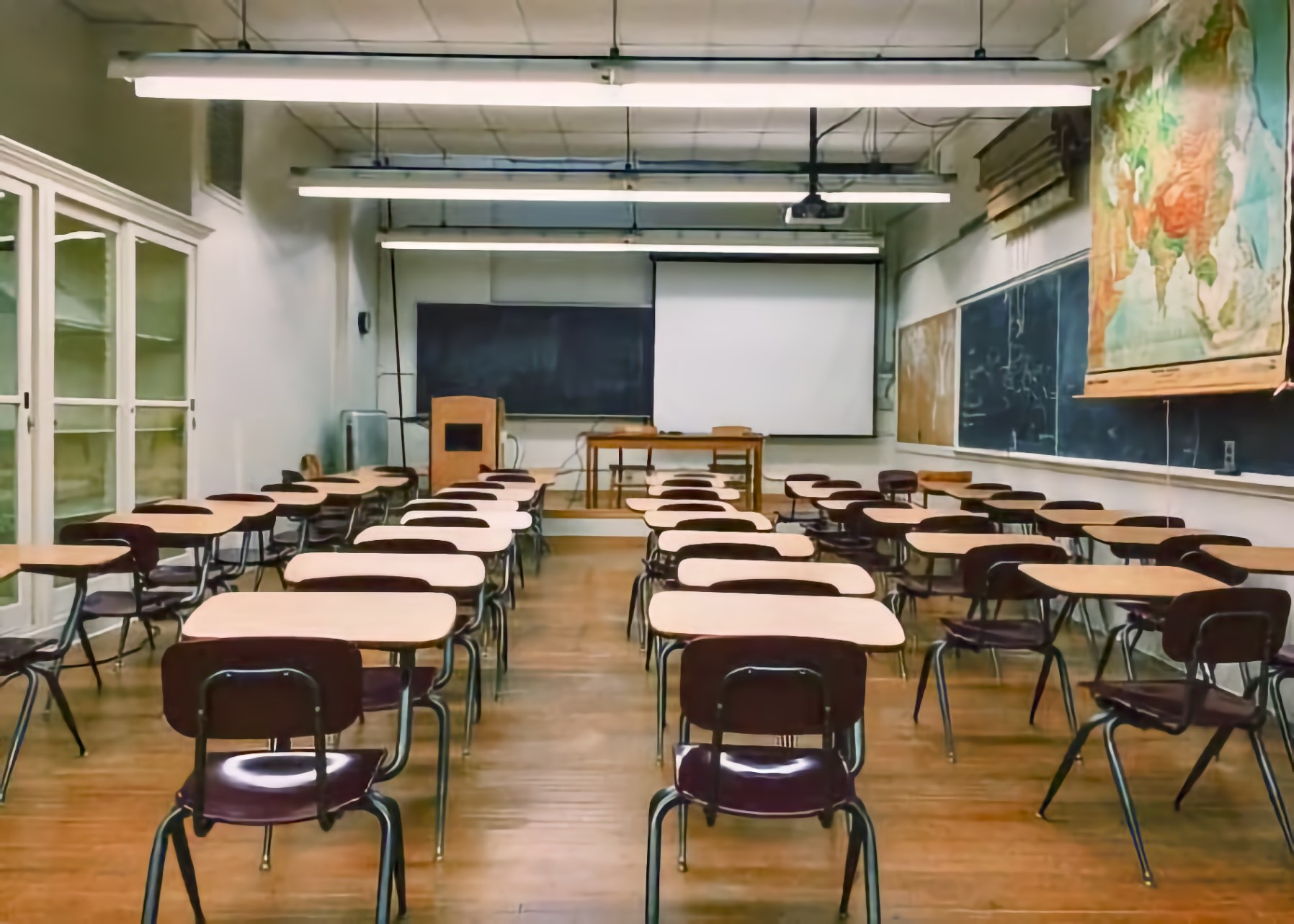
A report from the American Civil Liberties Union of Iowa (ACLU of Iowa) reviewing 78 districts found Black students referred to law enforcement at twice the rate of their peers and arrested at 3.7 times that rate, while Students with Disabilities were referred and arrested at 2.3 times the rate of students without disabilities, though national research shows neither group misbehaves more than anyone else. School Resource Officers (SROs) were most often called in over vaping, along with shoving, rumors, and students judged disrespectful, matters teachers and other school staff have always settled, and not one district kept a complaint process specific to those officers. The report asked districts to end these programs, as Des Moines and Ames have, and where they continue, to require training in calming tense situations, bias prevention, students' civil rights, adolescent development, mental health, and disability sensitivity, after finding 27 districts with no training policy at all. Removing barriers begins with preparing the people we count on, and Iowa shows us what happens when we skip that step.
Neurodivergent students enter classrooms run by adults who do not understand neurodivergence and often do not believe in it, and those students read the rejection accurately, from a teacher speeding past them when calling on the row to a routine cut off with no explanation to fidget tools taken away and dismissed as toys. The consequences are counted in lives: People with Autism die by suicide at close to triple the rate of people who are not Autistic, and among Autistic students harassed by a teacher, 53.8 percent reported suicidality. Children learn exclusion by watching adults practice it, which is why Community Builders working toward Vibrant, Diverse, Inclusive, Accessible Communities treat inclusion as a shared responsibility owned personally by each of us and create a sincere sense of Community Belonging for People with Disabilities when planning any activity or gathering, building the social life of every event around People with Disabilities from the first decision forward, because they belong to their communities by right.
A columnist reflects on discovering “We Might Regret This,” a comedy-drama co-created by Kyla Harris, and the shock of finally seeing disabled life depicted with the messiness and wit she knows firsthand. The piece frames humor not as denial, but as recognition: a way to tell the truth about bodies, care, and the awkward encounters that follow disabled people through daily life. For the writer, it feels like long-overdue authenticity after years of flat or outsider portrayals. From there, the article argues that comedy can be a powerful act of reclamation—proof there’s rich humor within…
Nearly a third of people in the US can't drive due to various reasons, such as disabilities, age, financial constraints, or lack of driving skills. This reality creates significant barriers for everyday tasks, transforming simple errands into lengthy journeys on public transport. From older adults who no longer drive to younger individuals who haven't reached driving age, many face problems in accessing essential services and participating in community life. The misconception that driving equals freedom disregards the diverse needs of nondrivers, including a significant number of Black…
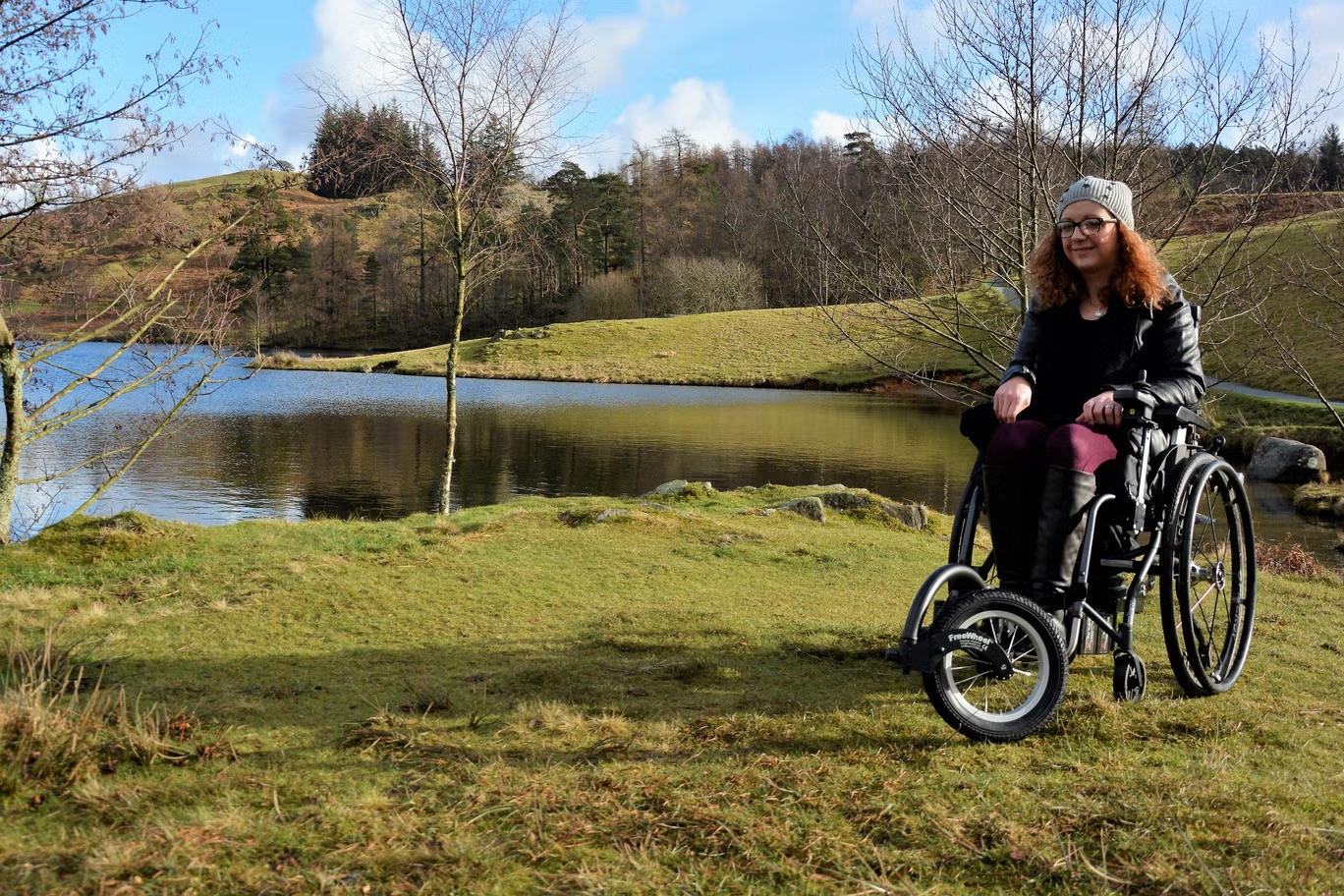
“The Lake District has always been my home, but for a long time, it didn’t feel like mine to explore.” With a more flexible power add-on, the author could reach places she had “only ever heard about” and travel “independently, on my own terms.” For People with Disabilities, crowds, terrain and lack of access still create a barrier, so quieter paths and space to breathe matter. Attitude and adapted support turn possibility into practice. At Calvert Lakes near Keswick, staff “focused on how to make it happen,” and she descended the rope repeatedly while seated in her chair. The centre offers…
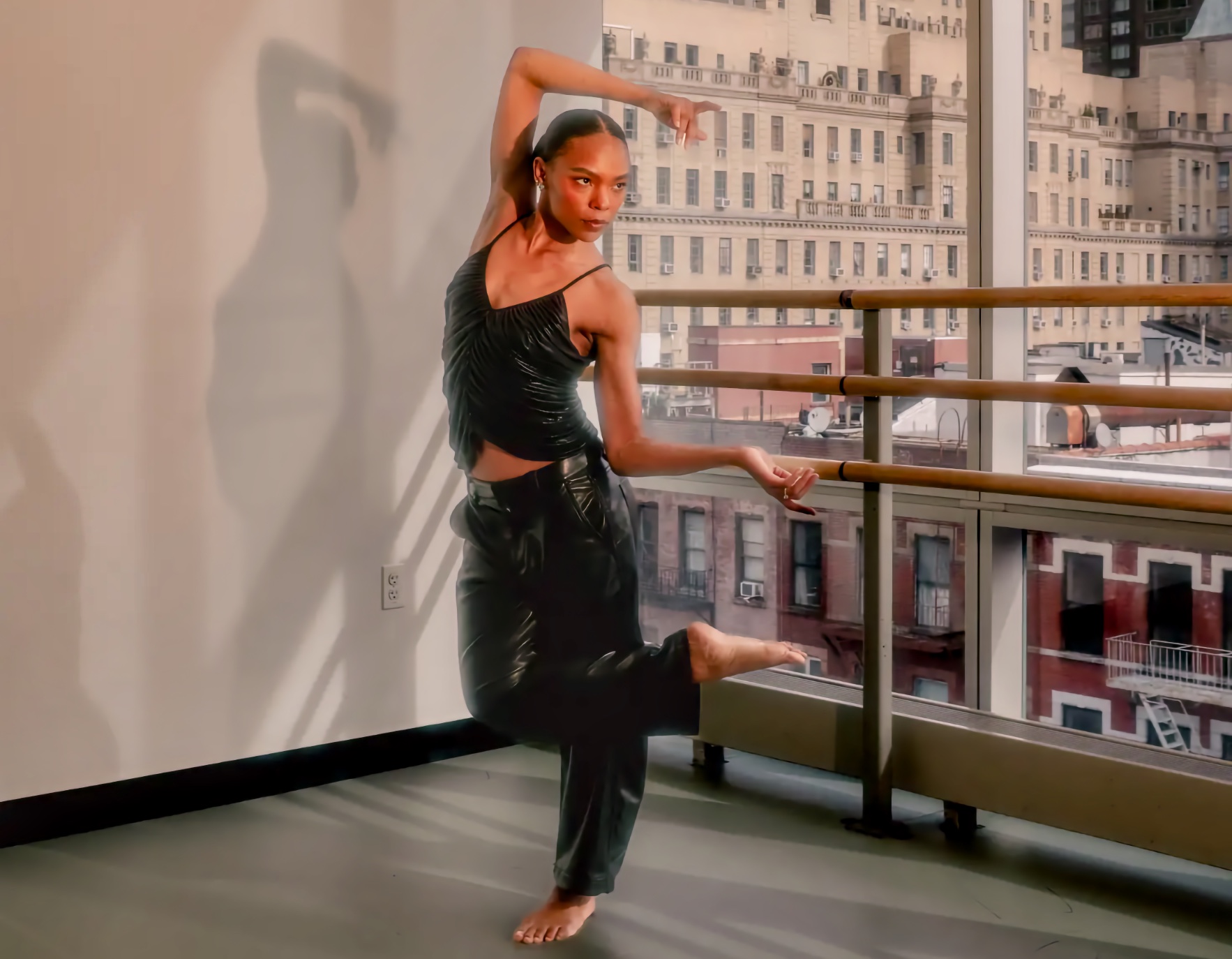
July is Disability Pride Month, marking a significant milestone in recognizing the disabled community and celebrating the signing of the Americans with Disabilities Act (ADA) in 1990. Despite over 30 years since its passage, there is still work to be done in how we support and discuss People with Disabilities. Advocate Catarina Rivera emphasizes the importance of embracing "disability pride" rather than just "awareness." This powerful perspective challenges limited thinking and promotes a sense of worth and value within the disabled community. Rivera's journey as a disability advocate began…
The author, Sarah Pfohl, shares her experience of being disabled and how society's perceptions and comments have shaped her views on parenthood. Throughout her life, she encountered the repeated message that, due to her disabilities, she shouldn't want to have children. These beliefs were reinforced by medical professionals, educators, friends, and family, leading her to believe that being a parent would be unfitting for her. As a child, she was told that she would never want to have children, and as she grew older, she internalized this idea. She worried about her physical limitations in…
Learn about topics related to People with Disabilities, Accessibility, Anti-Ableism, Removing Barriers, and the Disability Community? Tap the Explore button to discover something new and intriguing with each tap!