






Explore More Compelling Insights:
Learn about topics related to People with Disabilities, Accessibility, Anti-Ableism, Removing Barriers, and the Disability Community? Tap the Explore button to discover something new and intriguing with each tap!
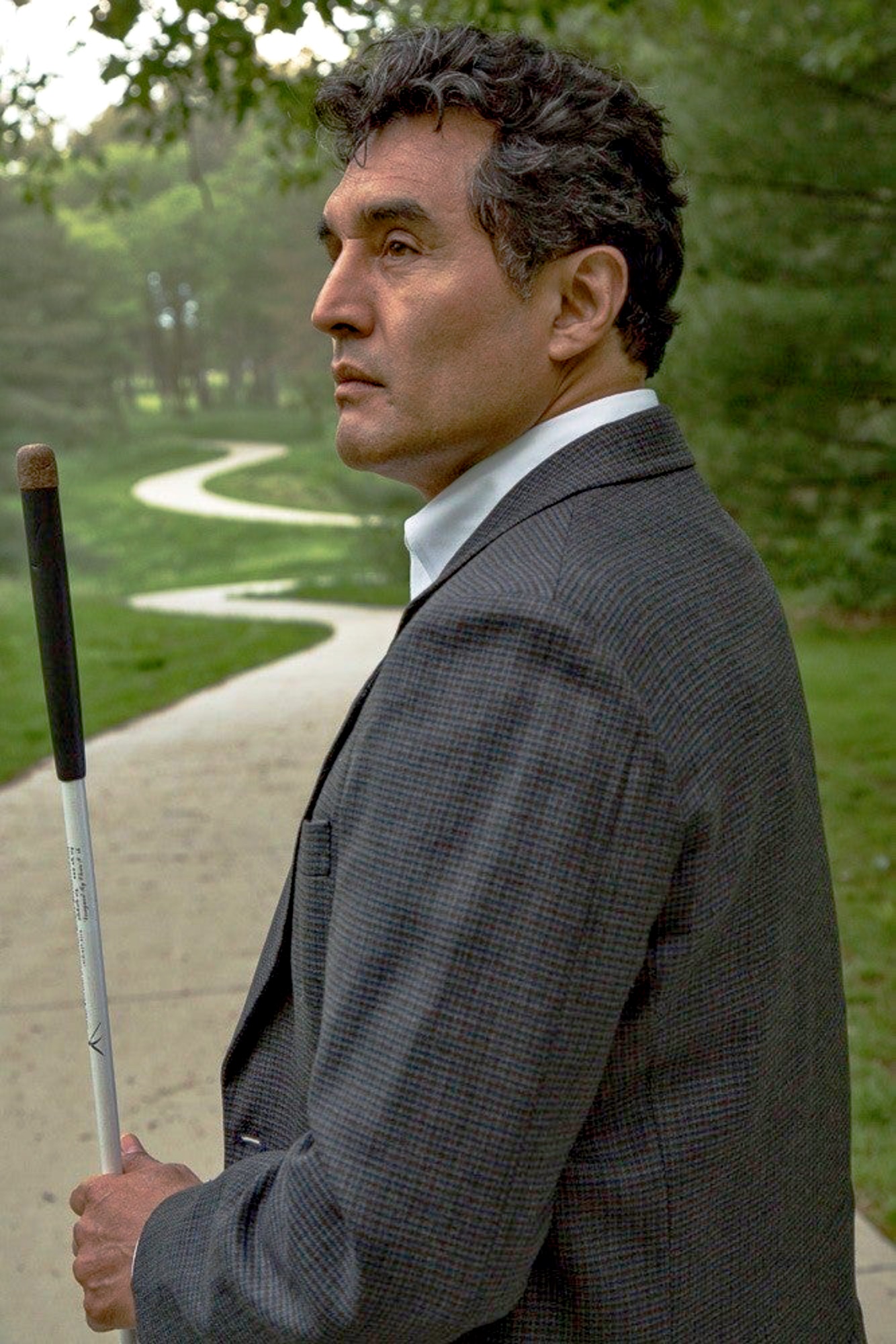
Blindness is often misunderstood by sighted people, who may assume that Blind People live in darkness or constantly need assistance. This article sheds light on the realities of blindness, emphasizing that Blind People live full, independent lives using techniques and tools that allow them to navigate the world effectively. Mark Riccobono, President of the National Federation of the Blind, encourages people to engage with Blind People as they would with anyone else, without making assumptions about their abilities. Striving to remove barriers that prevent us from building Vibrant, Diverse…
The author shares a direct challenge: stop looking away from People with Disabilities. Drawing on her childhood experiences at a children’s rehabilitation hospital, she describes how confidence grows when difference is met with respect and real accessibility, not avoidance. She details how care and engineering work together—early myoelectric prosthetics, custom orthotics, and newer 3D-printed components—to fit a child’s body and goals. That collaboration moves ideas out of the lab and into daily life faster, from learning and play to sport and performance. The piece centers children who use…
Kit, a TikTok creator known as @moonlit_kit, shares that she lives with conditions including POTS, Hypermobile EDS, and MCAS, and explains what she wishes people understood about her dynamic disability. Her core point is that a dynamic disability fluctuates in severity and impact—unlike a static disability—so how a person feels and what support they need can change day by day or even hour by hour, making planning hard. She notes that these changes often invite stigma: People with Disabilities may use a mobility aid one day and not the next, or manage a task one day and struggle the next, yet…
Alice Wong is remembered as a disability rights activist, a writer, and an organizer whose community work shaped policy conversations and culture. The remembrance traces how she built the Disability Visibility Project to share disability culture and storytelling, how she organized with others to identify and remove barriers, and how her approach—grounded in community care and shared responsibility—made room for People with Disabilities to participate in public life on equal terms. The article situates Wong’s leadership in the first months of COVID-19 through practices already common in…
NationalWorld profiles broadcaster and disability-rights advocate Matthew Kayne, who turns years of hospital routines and system barriers into a creative act: writing and releasing “Free Like a Bird,” a song about agency, dignity, and removing barriers. The core idea is clear: music became his way to organize experience into purpose, blending art with activism to challenge ableist assumptions and advance anti-ableism—without pity framing. Writing and recording happened alongside cancer-treatment schedules and administrative hurdles; responses from listeners affirmed the message, while his…
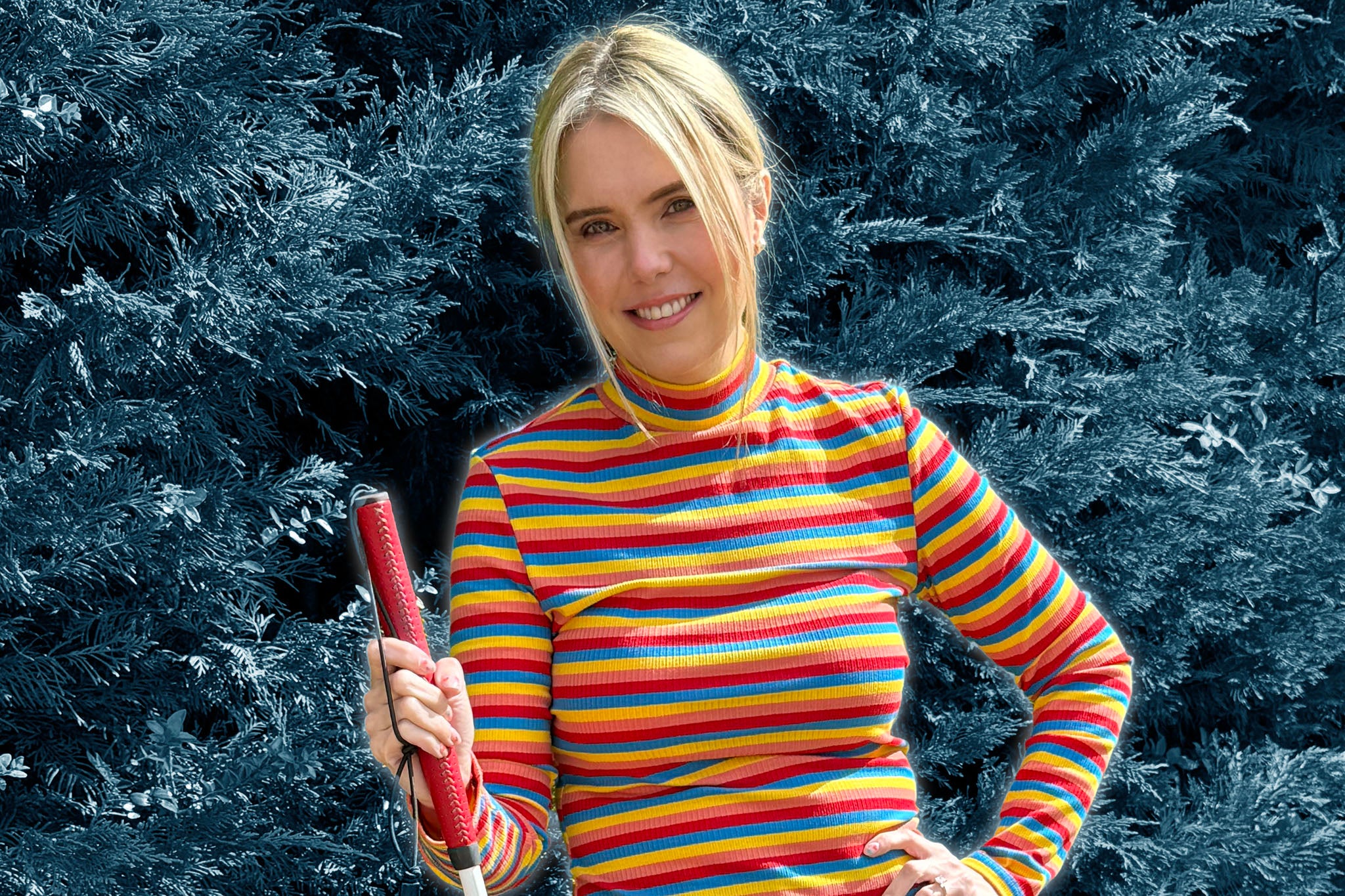
Claire Sisk's journey to becoming a disability advocate began at age 29, following a stroke that gradually affected her vision. As a single mother, Claire faced numerous misconceptions about her condition and the fear of losing her job and daughter. Despite these barriers, she worked diligently to prepare for life as a Blind mother with resilience. Claire's story highlights the importance of community support and removing barriers that prevent us from building Vibrant, Diverse, Inclusive, Accessible Communities! By sharing her experiences, Claire inspires others to adapt and thrive despite…
A video watched ten million times showed a wheelchair user reaching a major rail station to find the lift broken, the stairlift out of service and the portable equipment too narrow for her chair, and when she climbed the steps herself the public argument turned to whether her disability was real rather than to the access that had failed. Her mobility moves from one day to the next, as it does for many People with Disabilities, and being seen on an easier day is treated as proof that the harder days were invented. That doubt is then widened into a claim that diagnosis has lost its meaning and that disability is a route to advantage, spending the credibility of every person with a hidden disability to make the point. We can answer it by taking the justification out of our own registration forms, seating, quiet rooms and transport arrangements, offering access on request without explanation so that People with Disabilities are planned for on their hardest days.
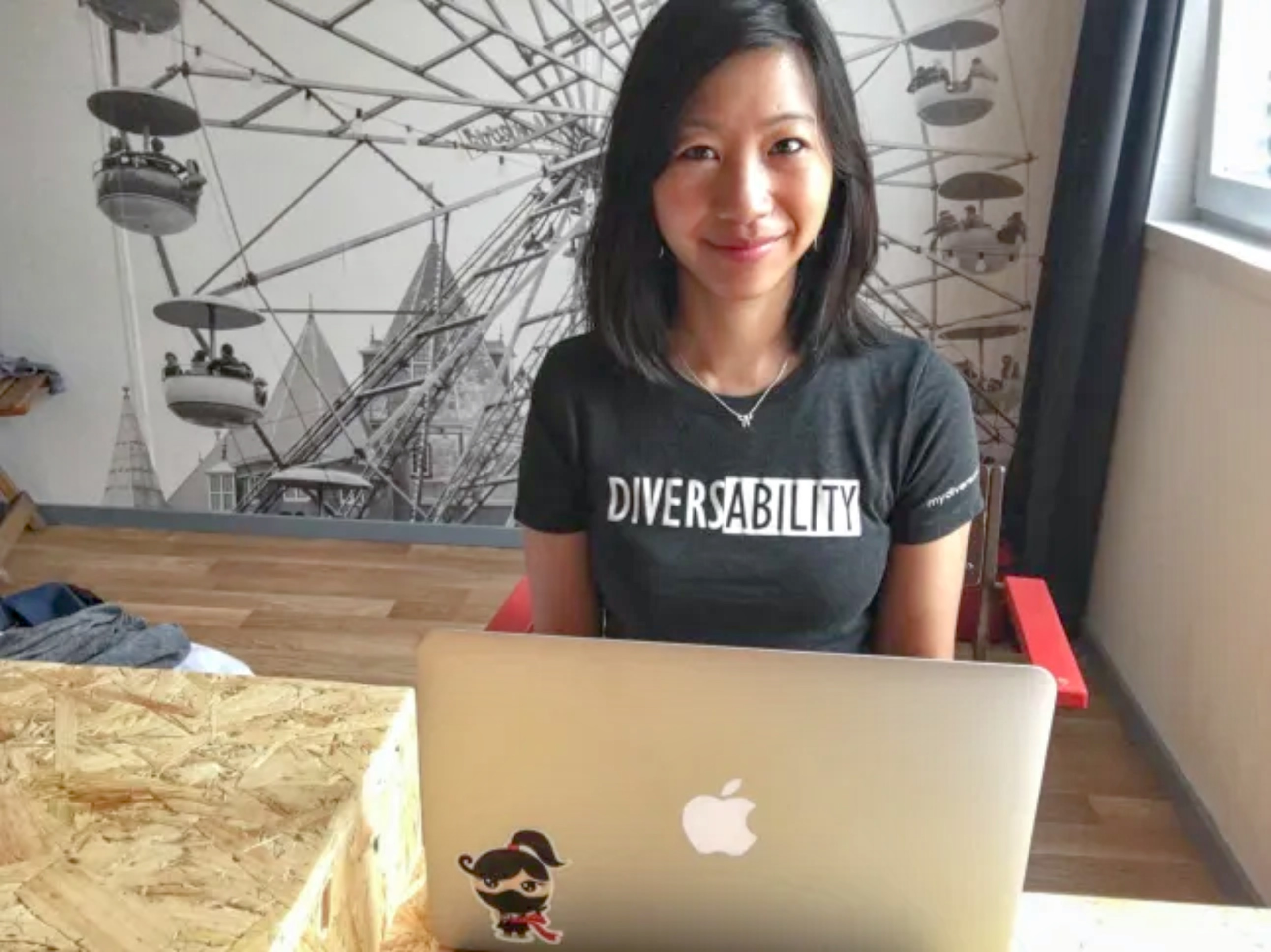
Tiffany Yu, founder of Diversability, is a leading voice in advocacy for Disability rights and inclusion. Through her work, she confronts systemic ableism and fosters a global movement that amplifies the voices of People with Disabilities. By creating spaces where Disability is seen as a valued identity rather than a limitation, she promotes meaningful representation and leadership for People with Disabilities in all sectors of society. Diversability, the community she founded, focuses on removing barriers that prevent full participation for People with Disabilities. The platform empowers…
In this first-person piece, a parent shares why she visited her preschooler’s class to explain how he uses the bathroom, centering her son’s feelings about being understood and included by his peers. She describes preparing simple, age-appropriate explanations and showing some of the medical supplies he uses so classmates could ask questions and see that bodies can work in different ways without shame. The story emphasizes how openness at school can reduce stigma for People with Disabilities and create practical empathy among classmates, while also respecting a child’s privacy and dignity. By…
Emily Tisshaw's article, "I Worked Quite Well With My Disability. That Never Stopped Customers From Saying Wild Things To Me," offers a compelling insight into the daily barriers faced by a Person with a Disability in customer service. Born without a left hand, Emily has experienced a lifetime of stares and intrusive questions. Initially, she tried to hide her arm to avoid unwanted attention, but eventually chose to embrace her body and live confidently. Despite this, she still encounters shocking and misguided comments from customers under the guise of offering help. Emily shares anecdotes…
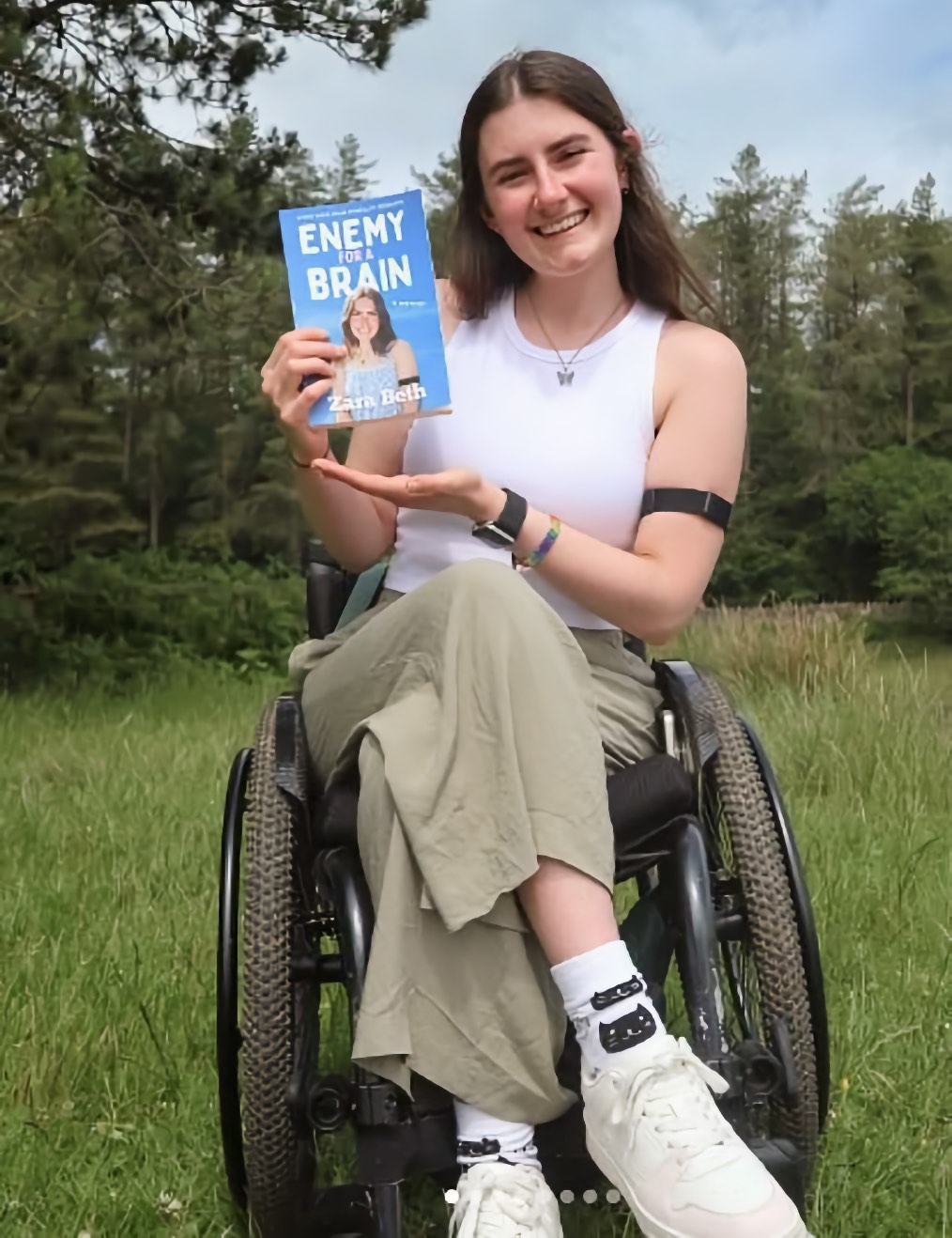
Taussig started using a wheelchair when she was 6 years old, and when she discovered disability studies in her late 20s during graduate school, she understood, for the first time in her life, disability as an identity — and this changed everything. She started creating what she called "mini-memoirs" on social media that brought readers into her firsthand experience of disability: the feeling of being stared at as she grips the side of her car, of being prayed over by strangers for her healing, of realizing as a little girl that none of the princesses looked like her. She started to understand the wheelchair as part of her brand — the image people recognize as they scroll — and over time rarely deviated from posts directly tied to disability; even if it wasn't at the center of the story, she made sure to connect the dots with a bold line for readers. She claims the titles disabled mother and disabled writer joyfully, yet reflects that brands aren't meant to capture every layer — they're curated — and as a collection, her posts inevitably drew a portrait missing some dimension.
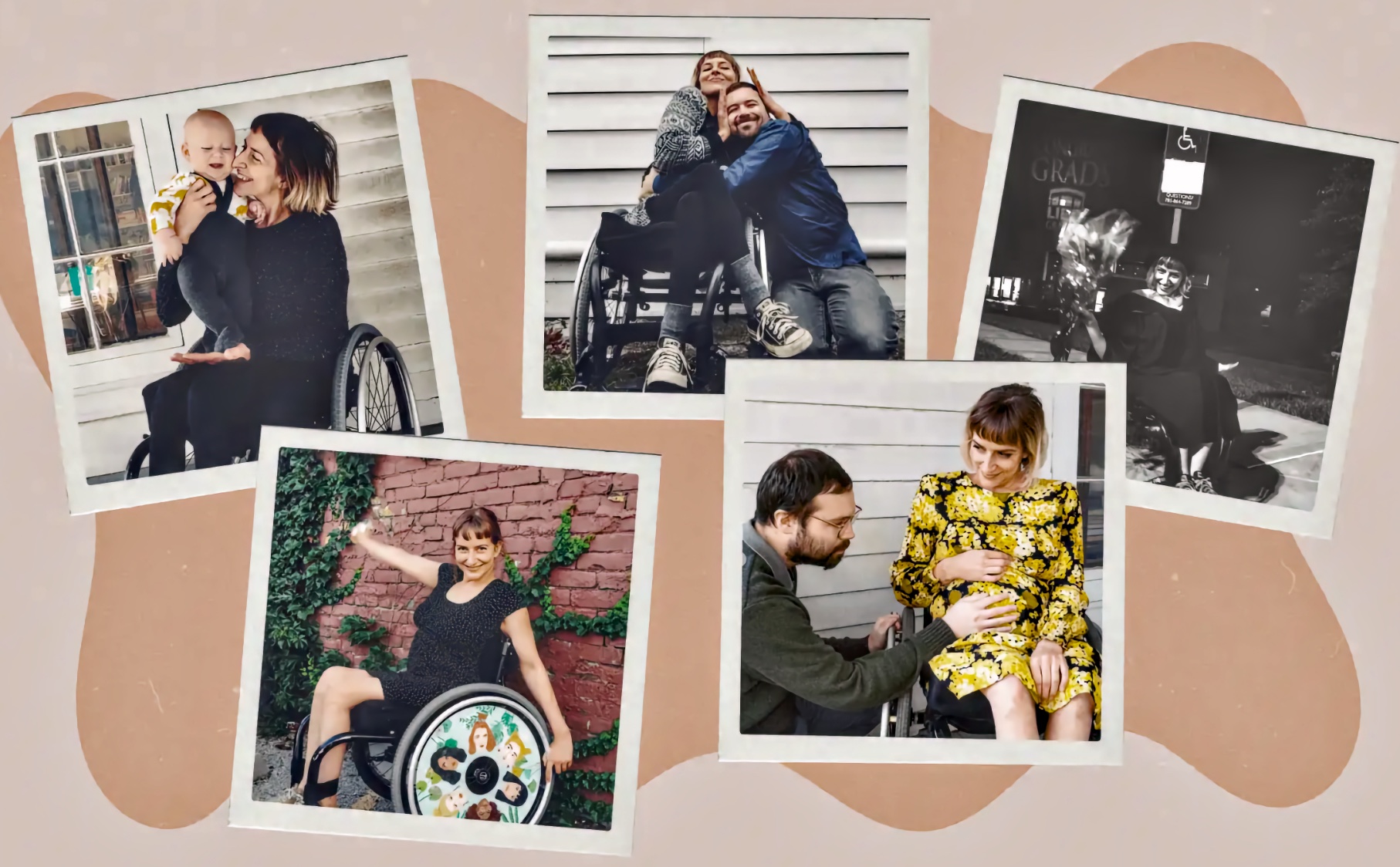
Steph Sandy is a wheelchair user with cerebral palsy who is also a mother of two, a dancer, and a choreographer, and her experience is a precise map of the ableism People with Disabilities face when they claim the full scope of human life. Strangers stare and question her right to parent in public. A doctor turned a request for medical guidance into a challenge to her fitness as a mother. Hospital staff triggered unwarranted parental review while she was hospitalized. A hired carer physically displaced her from her own child. Steph responded by making her story visible through her dance work "Mother Like No Other," developed through the Advisory Arts Group (AAG) at the disability charity Sense, and by engineering her own parenting adaptations to get the job done. Her story asks Community Builders a pointed question: are we removing barriers so that People with Disabilities can parent, work, create, and belong fully, or are we still, in small and large ways, reaching past them to take over?
Caption: Jayne Connolly and husband Jayne Connolly, a dedicated Staff Nurse at Sheffield Teaching Hospitals NHS Foundation Trust, is using Disability Pride Month this July to shine a light on her journey with autism. Diagnosed with autism spectrum disorder (ASD) five years ago, just before her 47th birthday, Jayne's story is one of resilience and self-discovery. Growing up in the 70s and 80s, autism wasn't widely recognized, and Jayne was often seen as just the introverted, nerdy girl. It was only during perimenopause, when her symptoms became more pronounced, that she sought a diagnosis.…
People with Disabilities are not primarily held back by inaccessible technology but by ableist thinking—the deeply ingrained societal assumptions that underestimate our capabilities. The author, Joshua A. Miele, shares how he was told as a teenager that Blind People couldn’t study physics because physicists “have to write on blackboards.” He went on to earn a physics degree from UC Berkeley, proving that assumption wrong. But more importantly, his journey highlights how ableism—not just inaccessible tools—is the most persistent barrier preventing People with Disabilities from full…
New Jersey residents with disabilities report health care problems that damage safety and dignity. Kelly Boyd describes offensive comments, blocked entrances, and skipped weight checks during routine visits. These problems carry grave consequences. A 2022 World Health Organization report links higher illness and early death to unfair system factors and misattributed symptoms. Reporting documents patterns statewide: communication failures, too few clinicians accepting Medicaid, inaccessible equipment and rooms, and rushed appointments that miss warning signs. Some facilities are removing…
Understanding how data collection practices impact People with Disabilities is essential in our community-building efforts. Communities must recognize that regardless of the numbers represented by marginalized minorities, the community belongs to them as well. Ignoring them not only creates systemic barriers but also violates basic human and civil rights. The recent federal Request for Information (RFI) by the White House Office of Science and Technology Policy (OSTP) highlights the importance of gathering disability-inclusive data to ensure that all community members are represented. By…
An opinion piece by scholars in Community Rehabilitation and Disability Studies argues that framing inclusion as something People with Disabilities must earn treats full participation as a conditional reward rather than a foundational right, reflecting ableist logic that measures human worth against standards of conformity People with Disabilities did not set. Research confirms that Students with Disabilities already face elevated rates of bullying and social exclusion across Canada, and that the source of this exclusion is always institutional failure, never the students themselves. Community Builders striving to create Vibrant, Diverse, Inclusive, Accessible Communities know that genuine belonging cannot be made contingent on meeting expectations set by others, and that removing barriers is the only work that makes inclusion real.
By Alita Joyce Inclusive design refers to designing products that enable people of all backgrounds and abilities, including accessibility, age, economic situation, geographic location, language, and race. The focus is on fulfilling as many user needs as possible rather than catering to as many users as possible. Inclusive design generates inclusive-design patterns that empathize with users and adapt interfaces to address the various needs of those users. Accessibility, universal design, and inclusive design are concepts aimed at creating inclusive experiences by reducing barriers between…
Carlos Serván’s insights into Pre-Employment Transition Services (PRE-ETS) emphasize the importance of high expectations and quality training in preparing blind youth for the workforce. Too often, training programs fall short, failing to equip students with the non-visual skills and confidence necessary for success. Rehabilitation services must prioritize effective training that fosters independence, adaptability, and problem-solving skills. Striving to remove barriers that prevent us from building Vibrant, Diverse, Inclusive, Accessible Communities means ensuring blind youth receive the same…
Learn about topics related to People with Disabilities, Accessibility, Anti-Ableism, Removing Barriers, and the Disability Community? Tap the Explore button to discover something new and intriguing with each tap!