
Striving to remove barriers that prevent us from building Vibrant, Diverse, Inclusive, Accessible Communities!
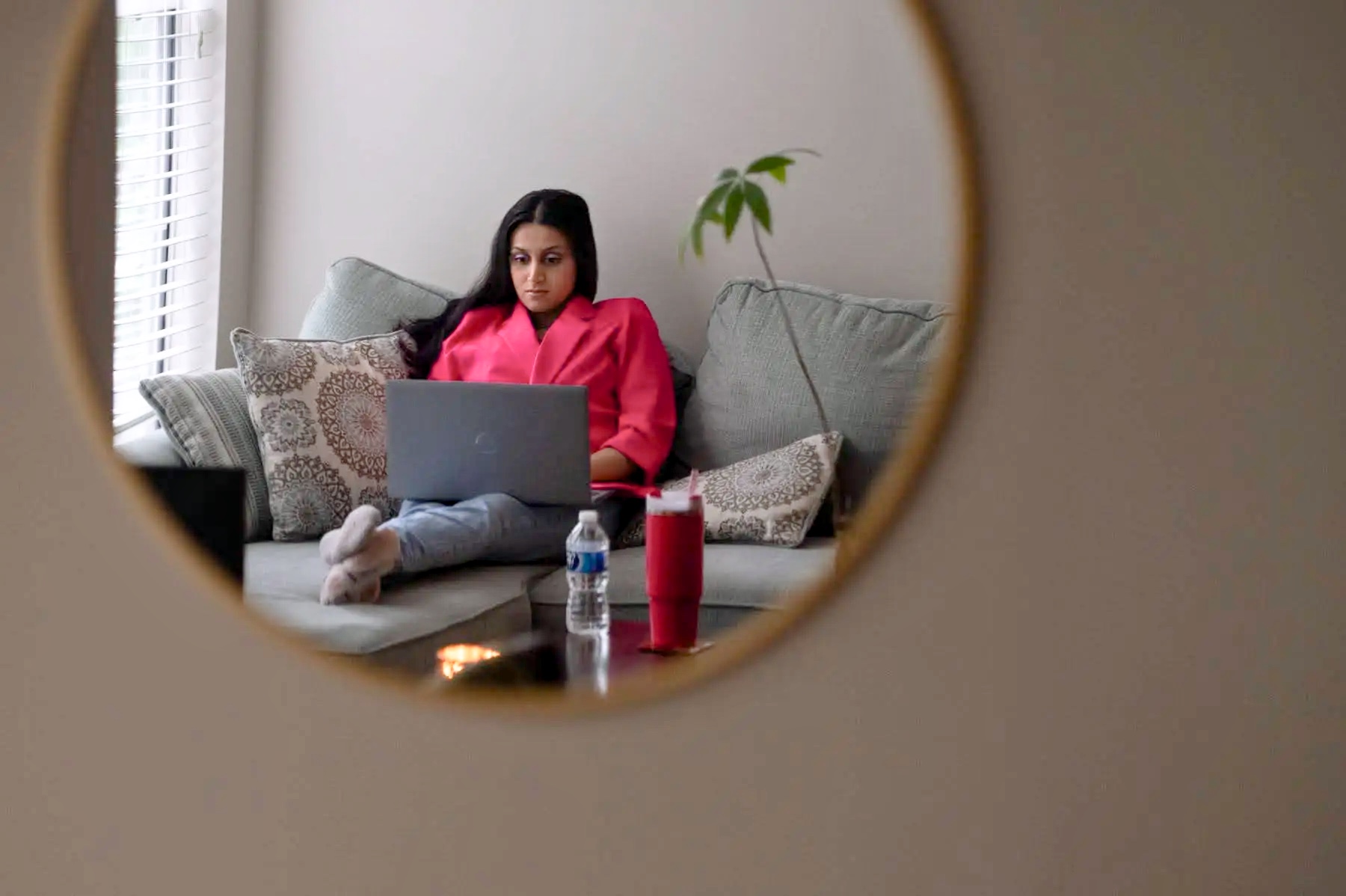
Zarin Hamid spent years being asked to prove ability she had already shown. After she graduated in 2015, interviewers asked what was wrong with her voice. A breathing tube during a heart transplant years earlier left her vocal cord paralyzed, and that voice was often the first thing an employer noticed, so she usually ended up disclosing her Disability. In Tampa the jobs open to her paid twelve or thirteen dollars an hour, too little to live on her own. Her family pointed her toward tech skills as a way past the discrimination, so she studied cybersecurity, finished the certificate program, and heard a new reason: no experience. The bar had shifted, and neither place it landed had anything to do with her skills.
A Disability advocate pointed her to a mentoring program for Graduates with Disabilities, and by autumn 2019, four years after she began, she landed her first job in the field, at a Pittsburgh bank. Two good years followed. She explored the city, made friends, excelled at her work, and began mentoring other Students with Disabilities and low income students. Then her manager left, new leadership came in, and the harassment started. Criticism of her work was constant. She raised concerns inside the company and was treated worse for it. Duties she had run well were pulled from her, and she was told the team held no path forward for her. However good her work was, she was still treated as someone who could not do it.
Six months of searching brought another cybersecurity role, remote, paying about twenty thousand dollars more. Then her health turned. Her heart transplant and other complications mean she has medical requirements beyond her paralyzed voice, and repeated illness and painful symptoms sent her transplant team looking for a serious complication following the transplant. She asked for the access the Americans with Disabilities Act already guarantees her so she could manage the testing and her symptoms, then waited four months on human resources for a reply. Two weeks after filing, a new manager started to question whether she was doing her job. Trained as a cyber threat analyst, she documented everything, and photographed that manager deleting data from her workload. Her request was granted. A week later came a performance improvement plan, and she was fired sixty days after it. Her health insurance went with the job while the testing was still unfinished. Requesting what was already hers is what ended the job.
When we decide what a person can do before we watch them work, we lose people who were ready all along. At the casino she alone in her class failed the audition, and not because she made a mistake. The evaluator said she was not loud enough. She explained that her voice is paralyzed. Her instructor pushed for a second audition, complaints about her voice came again, and she passed, then dealt an excellent first night. Within days an email arrived asking her to come in for a cybersecurity interview, and the job was hers. People with Disabilities can be extraordinarily resilient, and we should still ask why that resilience is the price of a chance to work. Our own community building starts from the other end, where access is settled ahead of time, built into what we run and what we send out, and worked out with the People with Disabilities who meet the barriers we have not yet removed. This article shows what happens with no plan at all, when one person carries the whole weight until someone with the power to decide finally does the right thing.
List what the work truly requires before we open a role in our own program, so nobody is judged on how loudly they speak. Her audition failed on volume, not on a mistake, and one instructor asking for a second chance was all it took to correct that. Judging the work and not the voice removes a barrier we control, and builds Vibrant, Diverse, Inclusive, Accessible Communities for People with Disabilities.
She was ready the whole time; what changed was who decided to look.
Read the Full Article: My disability wasn't the problem. The assumptions about it were..
By: Zarin Hamid
