
Striving to remove barriers that prevent us from building Vibrant, Diverse, Inclusive, Accessible Communities!
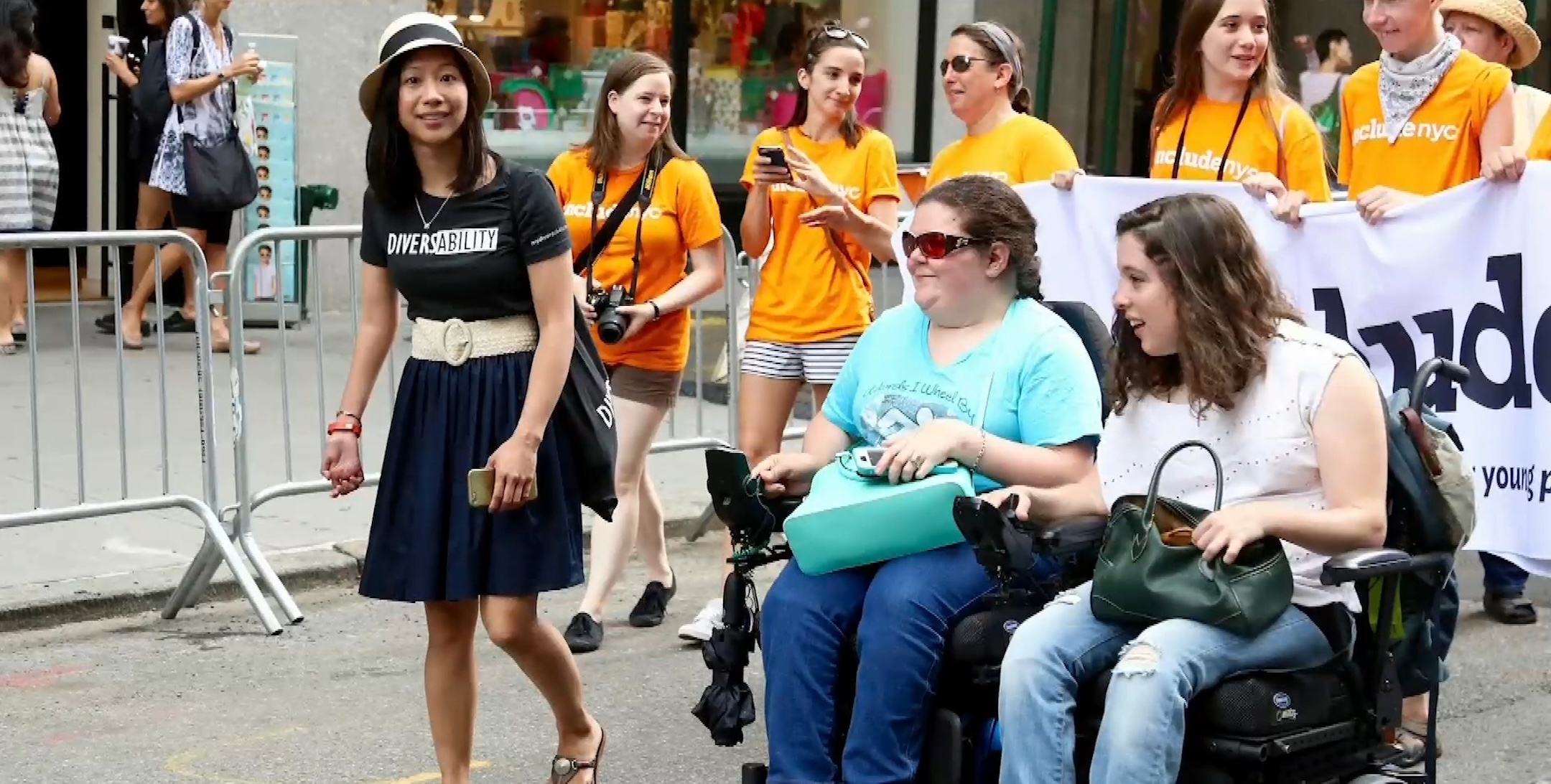
Watch: A Brief But Spectacular take on embracing disability pride on PBS
On 11 September 2025, PBS News Hour aired the Brief But Spectacular segment of Tiffany Yu, who founded Diversability and wrote the book The Anti-Ableist Manifesto. The PBS introduction says Yu dedicated her life to creating communities where people with disabilities of every kind can be “seen, supported and celebrated.” She dates the change in her life to 29 November 1997. She was nine, riding home with her father and siblings, when his car went out of control. One of her arms was paralyzed for good, broken bones in a leg kept her in a wheelchair for roughly four months, and years later she learned she had post traumatic stress disorder. Her father died in the crash.
Back at school after four months of rehabilitation, Yu was grieving her father while learning to live in a disabled body. She says bias reaches People with Disabilities most through exclusion, through not being thought about at all: her hardest memories are of what people failed to do. People were uneasy around her disability, and so around her, when all she wanted was acceptance and to be seen. For twelve or thirteen years she told no one about the crash, and that silence is a mark of ableism.
When she first told the story in public, she felt seen and validated, and she felt the pain she had never given herself room to process. She set out to build community, where people learn that they are not alone and how much power they hold together. She calls the work a change from shame to pride in disability identity. Disability pride, in her words, is how a Person with a Disability claims her worth and value against a society that says to feel shame, and she answers her own twelve years of shame with “look at me now.”
Yu says her nine year old self would not believe who she has become, that everything she does is for that child, and that she would tell her she cannot wait to see who she becomes. Her account puts exclusion first among the barriers People with Disabilities meet, and community and pride first among the answers, the same aims as planning welcoming and accessible gatherings.
We should think of Members with Disabilities at the start of every plan, so that no one is shut out by being forgotten. Our community should welcome the stories Members with Disabilities choose to tell and listen without unease. Communities that do both would make room for Vibrant, Diverse, Inclusive, Accessible Communities for People with Disabilities.
Pride grows where people are seen.
Read the Full Article: A Brief But Spectacular take on embracing disability pride.
By: Tiffany Yu
Learn More
- 5 takeaways from screen reader usability interviews
- Dignity, Respect, and Determination: The Momentum of the Blind People's Movement
- American Sign Language (ASL) Interpreters and Captioning Services
- A complete guide for content creators to start making accessible content
- Learn about and Use Audio Description in Video for Blind and Low Vision Accessibility
Questions for Reflection
- Tiffany Yu says bias reaches People with Disabilities most through exclusion, through not being thought about. Whom did our last plan forget?
- Do members of our community who have disabilities feel they can tell their own stories, and who listens when they do?
- Yu kept her story to herself for twelve years. What in our community would lead a member to stay silent about a disability?
- How do we show Members with Disabilities that they are not alone, and that together they hold real influence?
- What would a change from shame to pride look like in the way our community talks about disability?
- If we spoke to our younger selves as Yu does, what would we want them to know about belonging?

Also See:
- I was nine when I learned what ableism is
- 12 Ways to Celebrate Disability Pride Month
- Introducing Voices of People with Disabilities
- Learn about and Use Audio Description in Video for Blind and Low Vision Accessibility
- What is ableism, and what is its impact?
- A complete guide for content creators to start making accessible content
- Dignity, Respect, and Determination: The Momentum of the Blind People's Movement
- American Sign Language (ASL) Interpreters and Captioning Services
- 5 takeaways from screen reader usability interviews