
Striving to remove barriers that prevent us from building Vibrant, Diverse, Inclusive, Accessible Communities!
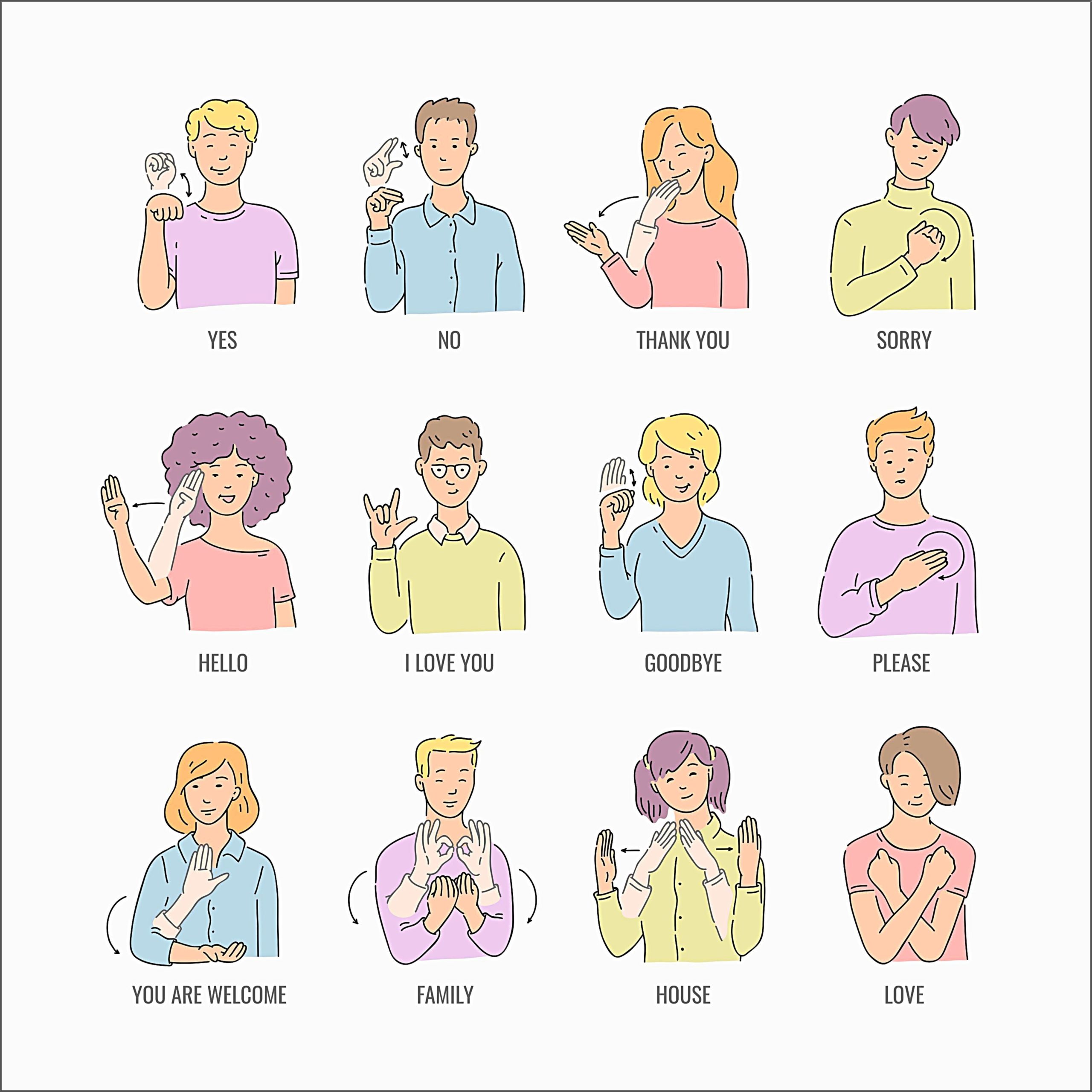
Layli Miron’s article on bahai.us, published on 8 July 2021, introduces the Deaf and Hard of Hearing Task Force, which the National Spiritual Assembly, the elected national council of American Baha’is, appointed. Erin Salmon, Jason Schwartz, Naledi Raspberry and Tavoria Kellam serve on it, and they work with Baha’i communities on access for two groups. Deaf people belong to a culture with its own language, American Sign Language, and many learn English as a second language, so interpretation opens a gathering to them. People who have hearing loss and communicate in English may ask for captions and transcripts.
Raspberry, who is hearing, interpreted Baha’i activities for her son Akil, who was born Deaf. At one holy day program the fast, elevated English left her able to sign only a short summary, that Baha’u’llah’s message was meant for each of them, and she asks why such a message is so often presented only to hearing people. Kellam reports that in the 1990s the task force found Deaf Baha’is stayed active for only three months. Two online groups, on Facebook and WhatsApp, now connect Baha’is who are Deaf or Hard of Hearing with interpreters and with invitations to accessible events.
In February 2021 the task force and Wilmette’s Baha’i House of Worship, near Chicago, held an online devotional program that offered interpretation and captions. The automated captions garbled sacred terms in Arabic and Persian, offensively so, while the interpretation worked well: Kellam, Schwartz and Salmon spent many hours turning the prayers into signs, since no collection of the Baha’i prayers in American Sign Language exists yet. Austin Vaday, a Deaf Baha’i and software engineer, said the program let him meet others in the language he finds most comfortable.
Vaday says access is the responsibility of each member of a community, whether that means noticing a video sent out without captions or a venue with no ramp. Kellam advises asking people what they require and planning with them, then building access into the program: at least a written program, and someone typing what is said onto a screen. Interpretation at every public event is the goal, and a community with Deaf members can learn the signs along with the prayers they memorize.
We should ask each member of our community who is Deaf or Hard of Hearing what access they require and plan each event with them. Every member who plans an event should check that our videos carry captions and our events have interpretation, and contact the task force when we want guidance. Such events would make room for Vibrant, Diverse, Inclusive, Accessible Communities for People with Disabilities.
A gathering that every member can follow is a gathering that every member can join.
Read the Full Article: Task force encourages communities to make accessibility a priority.
By: Layli Miron
Contact information for the Deaf and Hard of Hearing Task Force for the Baha’i community
Web Site: https://www.bahai.us/task-force-encourages-communities-to-make-accessibility-a-priority/
Facebook Page: https://www.facebook.com/profile.php?id=100064872183251
Email: bahai.deaf@gmail.com
More Resources for Interpreters, Captioning and Learning Sign Language
For events outside the Baha’i community, or for another source of interpreters and captioning:
- American Sign Language ASL Interpreters: sign language interpreters, captioning and language translators, at your event or remotely.
- Learn American Sign Language: a free website for learning American Sign Language at your own pace. Learning even a few signs to greet a Deaf member of your community in their own language removes a barrier, and conversations and friendships can follow.
Captioning Services
- Interprenet Captioning Services: captioning in many languages, for events of any size, in any place.
Questions for Reflection
- Which Deaf and Hard of Hearing members of our community have we asked what access they require, and what did we change after hearing them?
- Do our gatherings have American Sign Language interpretation and captions, and who arranges them before each event?
- Do the videos we send out carry captions, and do the venues we book have a ramp?
- Naledi Raspberry asks why a message meant for each person is so often presented only to hearing people. Where do our own programs present it that way?
- Have we contacted the Deaf and Hard of Hearing Task Force for guidance before planning an event?
- Which signs could we learn together, for greetings or for the prayers we memorize?
