
Striving to remove barriers that prevent us from building Vibrant, Diverse, Inclusive, Accessible Communities!
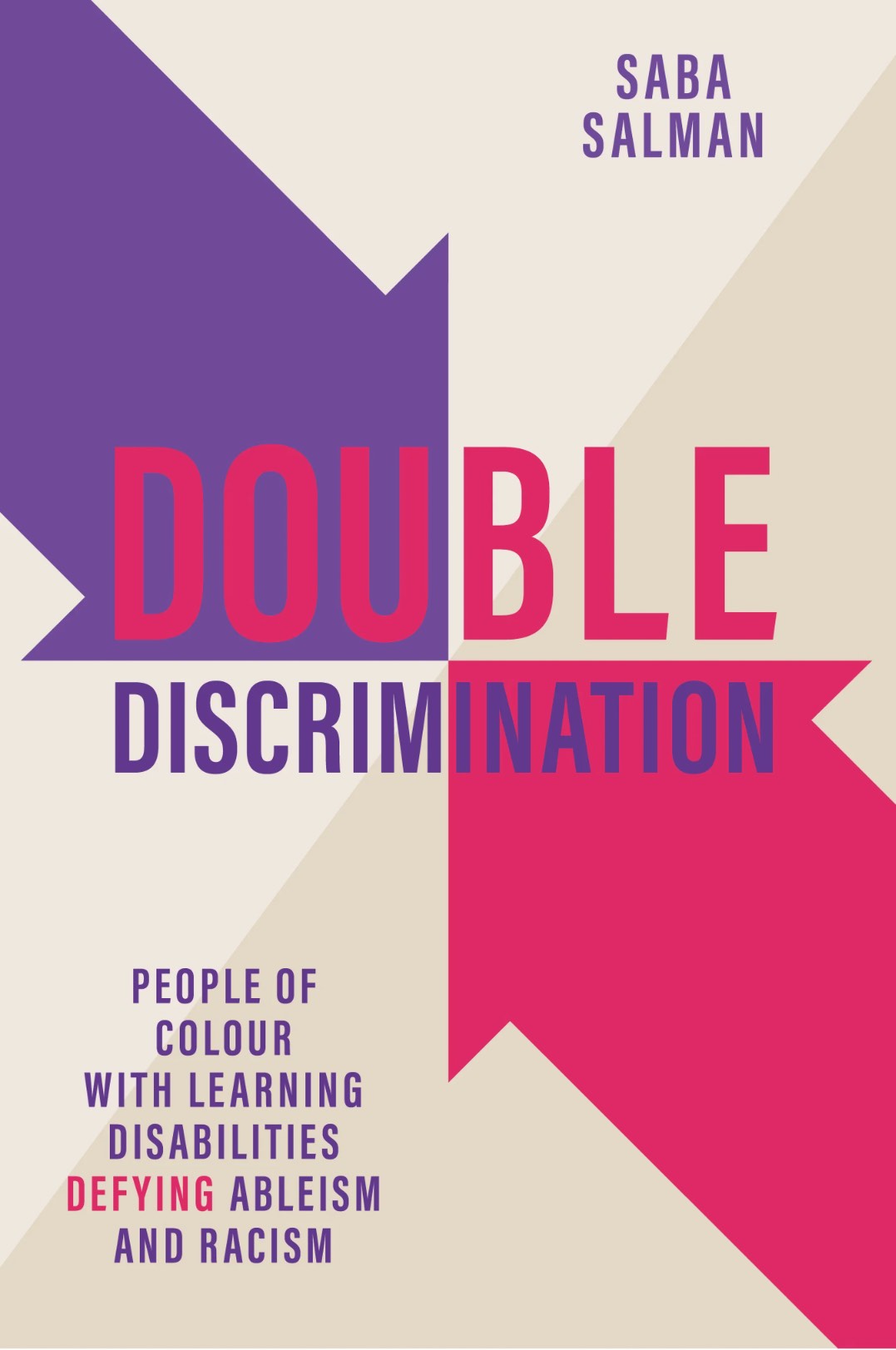
Journalist Saba Salman of Worthing wrote Double Discrimination for her youngest sister Raana, who is British, South Asian, and has a Learning Disability. When the Coronavirus Disease 2019 (COVID-19) pandemic hit, Black and Asian communities and those with Learning Disabilities were at greatest risk, and Salman realised her sister stood in both groups. She calls this a double whammy. Her first point is that people see only half of Raana. Picture a Person with a Disability and she rarely comes to mind. Picture a Person of Colour and her Learning Disability drops out of the frame. Salman argues that Raana must be recognised as one whole person, in the place where race and disability cannot be pulled apart.
Institutional racism and unconscious bias now have wide recognition, yet they leave People of Colour out when they also have Learning Disabilities. Salman sees one overlooked group sitting inside another. People with Learning Disabilities already go unnoticed in good times, while People of Colour with that label sit at the edge of a community that is already pushed aside. Her book weighs racism and ableism together, because the people who face both are the very people these social justice ideas miss.
Over two years of the pandemic, Salman reported on how Black and Asian people with Learning Disabilities actually live, first recording the gaps and the added health risks, then searching for solutions. The data she gathered shows inequalities in housing, work, health and schooling on a shocking scale. She finished the book in a divided political climate, when rhetoric aimed at winning votes had grown harsh and ableist. She believes that exposing the ways disadvantaged communities get failed is important, and that pointing to the alternative is equally important.
The final part of the book turns to answers, in the defiance and optimism found at the grassroots among public sector organisations, charities, activists and families who are removing these barriers. Salman calls it a call to action for a great many people who push back against injustice. She also let lived experience steer the project, speaking with a great many people about what a useful book should contain and working for almost two years with essayists whose stories rarely get a hearing. Our own vision names race and disability as barriers to remove, and it asks that People with Disabilities guide planning from the start. Raana's story shows where that can slip. A plan that thinks about race in one meeting and disability in another can report progress on both while a person who stands in both goes unseen. Count a person in halves and the whole person goes missing.
Before we sketch any program, we should picture a woman who is both South Asian and Learning Disabled, and plan for her to take part. People who picture disability leave her out, and people who picture a Person of Colour leave out her Learning Disability, so our planning picture should hold both at once. A picture drawn to include her would make real Vibrant, Diverse, Inclusive, Accessible Communities for People with Disabilities.
Seeing the whole person first is how we stop counting in halves.
Read the Full Article: Living at the intersection of race and disability.
By: Phil Hewitt
Questions for Reflection
- When we plan for race and when we plan for disability, are those one conversation or two, and who falls between them?
- Which People of Colour with Learning Disabilities take part in our community now, and who has asked them what keeps others away?
- Do our records of who takes part let us see a person who is both a Person of Colour and has a Learning Disability, and if not, what are we missing?
- Where have people with lived experience shaped something we produced, the way Salman let essayists shape her book, and where did we produce things about people without them?
- Which grassroots groups, charities, or families near us already remove these barriers, and what could we learn from them?
- What would change in the next program we sketch if our planning picture held race and disability at once?

Also See:
- What is ableism, and what is its impact?
- Horror movies have an ableism problem. Isn’t it time we found new ‘monsters’?
- Ableism 101: What it is, what it looks like, and what we can do to to fix it
- Intersections Between Racism and Ableism
- How to talk about disability sensitively and avoid ableist tropes
- I was nine when I learned what ableism is
- Anti-Ableism Fast Facts - Ways to Combat Ableism:
- Becoming Anti-Ableist: A Disability Justice- Informed Approach to Supporting the Disability Community
- 8 Ways Ableism Shows Up In Religious Spaces