
Striving to remove barriers that prevent us from building Vibrant, Diverse, Inclusive, Accessible Communities!
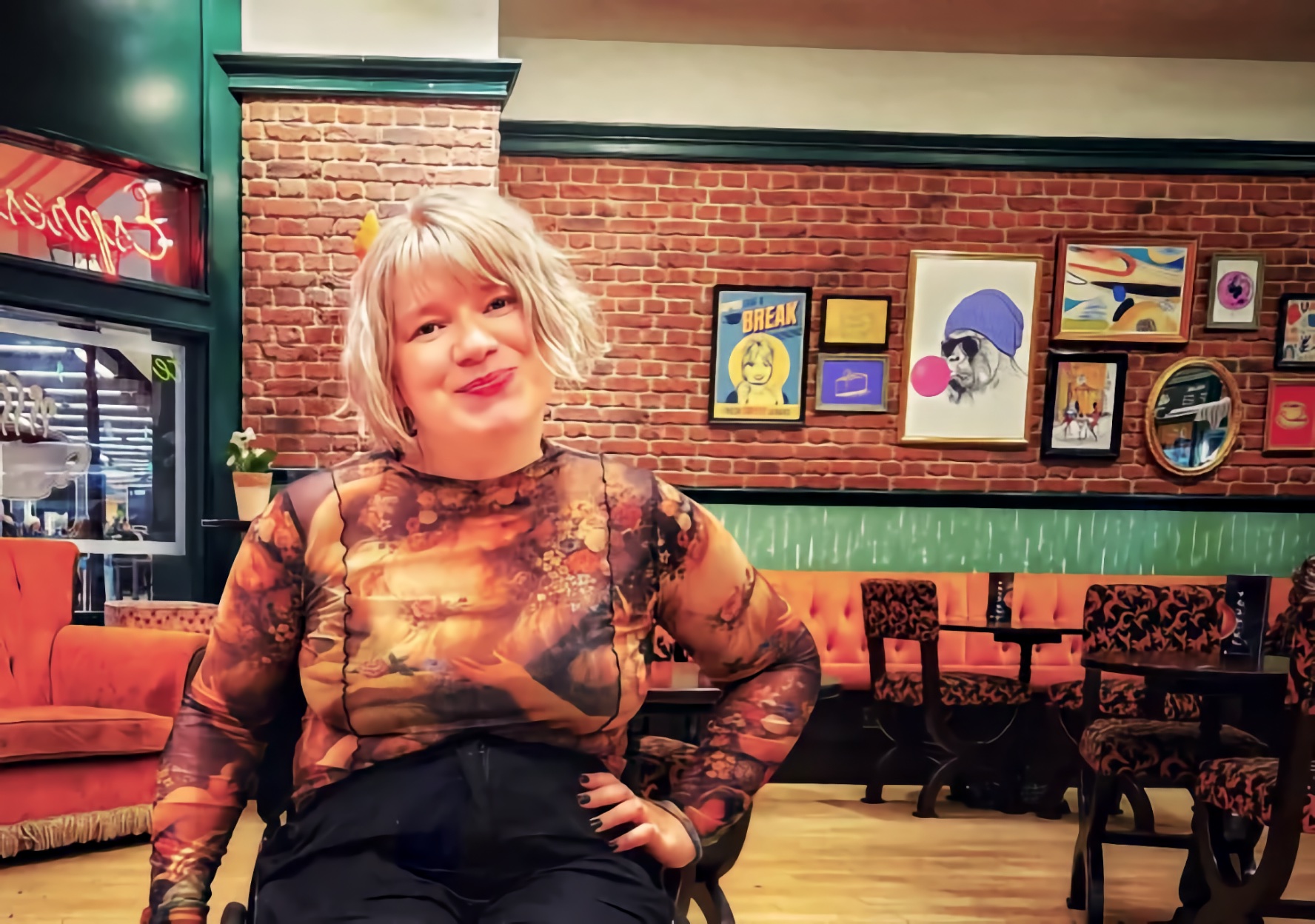
At her university graduation, Melissa Parker, a wheelchair user, was making her way toward the stage to receive her degree when a woman organising the event casually called her "wheelchair-bound." Those words hung in the air. Simple and unthinking, they struck her deeply. Her thoughtless words made Parker feel so small and exposed. Parker didn't respond, and just collected her certificate as if nothing happened. Yet every time she leaves the house or goes online, Parker braces herself for insensitive language. It's exhausting. The term "wheelchair-bound" makes the wheelchair she's had since childhood seem like a burden. Without it, she couldn't move. When the phrase is used on TV, in the media, and in political discourse, it impacts her. Facing it up close and personal hurts far more.
Throughout her childhood and teenage years, Parker's family repeatedly told her she shouldn't take things personally. When she was bullied and called a slur, her mother advised her not to let it affect her. When comments were made about her disability in public, she was reminded not to be too sensitive. But to Parker, it is very personal. Parker's earliest memory of a family member using "wheelchair-bound" was her beloved grandfather. His voice, usually warm and soothing, was full of disgust and horror. He said he didn't want to be "wheelchair-bound" and didn't want to be stuck in a wheelchair for the rest of his life. To Parker, age 7, it meant being disabled was bad. When the phrase is used on TV, in the media, and in political discourse, it impacts her. Words can be so hurtful, regardless of how they were intended.
For years, Parker had to hear repeatedly, often in painful detail, how hard the day of her cerebral palsy diagnosis was for her cousin. That was also the day her family were told she would never walk. Her cousin still says it "ruined" Parker's life and talks about it often. Another cousin told her child that Parker was "wired wrong." A family member asked Parker's mother in front of others, in Parker's own home, if her daughter could "get" what Parker had. She begged for reassurance that her child would not "turn out like her." Parker couldn't imagine anyone saying anything more personal. She told them it was an incredibly disrespectful thing to say. Parker can understand ignorance or thoughtlessness. But this person had known her her whole life and knew she had struggled with the knowledge that her disability was caused by a medical mistake. Parker hasn't looked at them the same way since, and it still takes a lot for her to be vulnerable and trusting.
It was not until her early twenties that Parker started telling people their words were rude. The first time she opposed someone's rude comment was only a few years ago. When Parker looks back on her graduation and many similar moments in her life, she feels proud. Even though these comments hurt, she is still trying to ensure they do not shape her life and has since found the strength to speak up. It isn't about being disabled. It is about the language used to describe people who are. Parker deserved to graduate and not be labelled "wheelchair-bound," and to grow up without seeing her disability as wrong before she had even understood it. Community Builders who are committed to remove barriers must recognize that language which frames disability as a burden, as something bad, or as something to be feared is itself a barrier. People with Disabilities encounter this barrier every time they leave the house or go online.
Read the Full Article: People feel entitled to comment on my disability – it's exhausting.
By: Melissa Parker
