
Striving to remove barriers that prevent us from building Vibrant, Diverse, Inclusive, Accessible Communities!
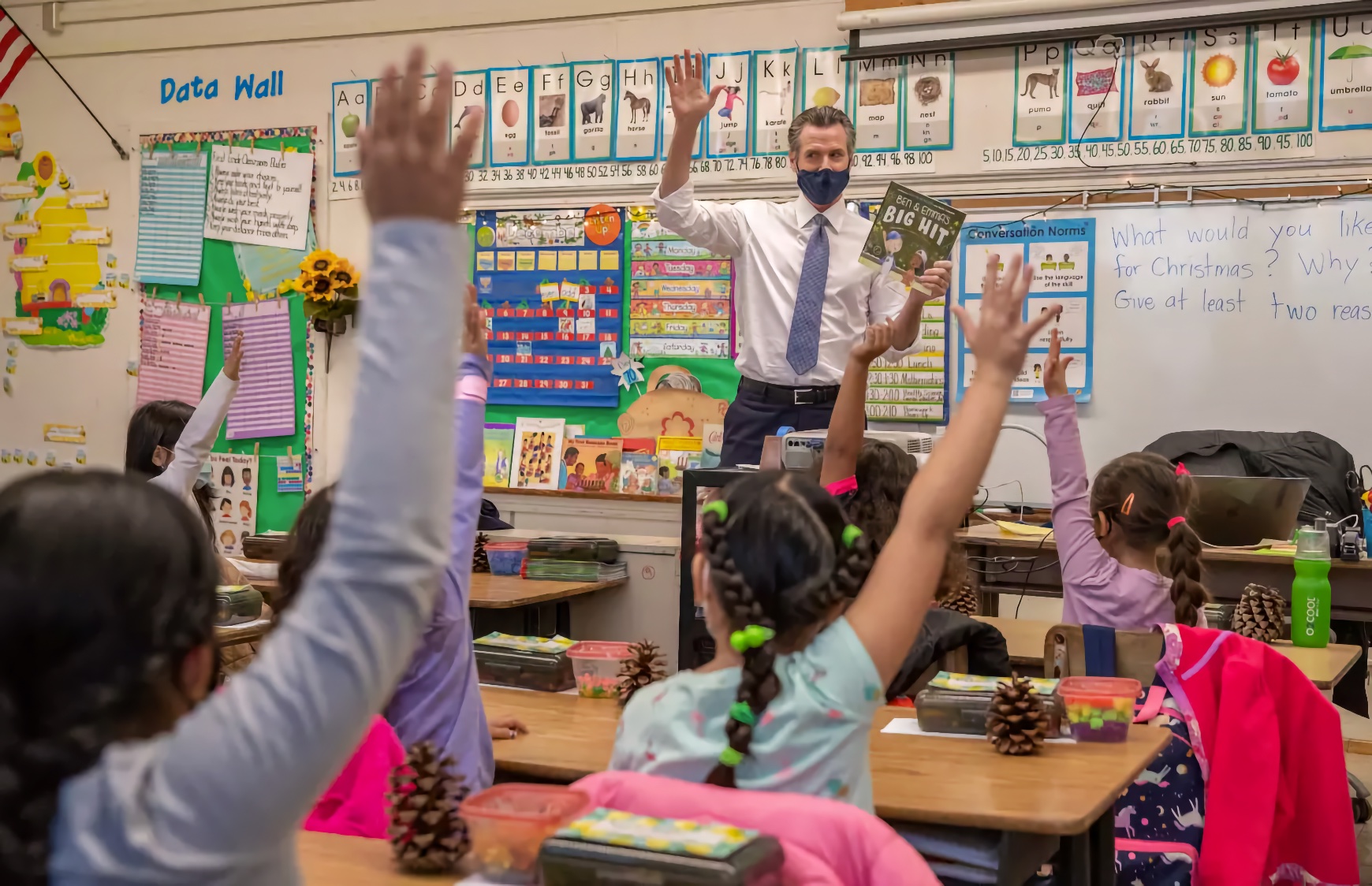
Two letters in the Los Angeles Times document the same institutional failure from different vantage points. Richard Branson, founder of Virgin Group, describes being told repeatedly by educators that he would not succeed, prompting him to exit formal education at sixteen. David Dillard of Los Angeles went undiagnosed until he was thirty-nine years old. Both experiences point to educational systems that have long treated dyslexia as a personal limitation requiring correction rather than recognizing it as a distinct and productive way of processing information. When schools are built around a single model of learning, the students who think differently pay the price.
Richard Branson describes specific cognitive strengths that come with dyslexia: noticing what others miss, making connections across very different domains, and questioning assumptions in industries that have grown rigid. He identifies creative thinking, resolving complex problems, communicating across contexts, and adapting to change as four strengths that many people with dyslexia naturally develop, and as precisely the abilities the world needs as artificial intelligence (AI) transforms how work is done. His own career demonstrates this: coming to the cruise industry without conventional experience enabled his team to reimagine what that experience could be when launching Virgin Voyages. Rather than being treated as deficits, the distinct ways people with dyslexia approach thinking and problem solving are contributions that communities gain when environments are designed to recognize and support them.
David Dillard could not read at the level expected for sixth grade; he received nearly two years of one-on-one instruction from teachers who saw his potential. He went on to earn a teaching credential as an adult, learning of his disability only at age thirty-nine. His account demonstrates what is possible when Students with Learning Disabilities receive the right support: they can reach and exceed high academic levels. Ridiculing people with learning disabilities or making excuses for institutional inaction rather than finding solutions is a fundamental wrong, as both writers make clear. The barriers blocking Students with Learning Disabilities are in institutional design, not in the people themselves, and public schools must be equipped with the same quality of instruction currently found only in private settings to serve the roughly one in seven students who may have a learning disability.
Both writers describe a path forward that requires genuine and sustained investment: in teachers prepared to support different kinds of learners, in understanding diverse cognitive approaches, and in school environments that make all forms of learning viable. Richard Branson's collaboration with Made By Dyslexia shows how meaningful it becomes when people genuinely work to recognize and value these different cognitive approaches. Sherri Helvie's direct advocacy for students demonstrates how dramatically outcomes can change when the right support is in place. Both are optimistic that young people growing up with these supports will face far fewer externally imposed limits on what they can achieve. Community Builders who see themselves as standing as advocates for Students with Learning Disabilities in vibrant, diverse, inclusive communities are doing exactly the work these writers are calling for.
Read the Full Article: Letters to the Editor: Richard Branson on how his dyslexia has helped him innovate.
By: Richard Branson; David Dillard
